What does “ring wear” mean?
What is Ring Wear?
Ring wear on vinyl is a visible, circular marking or dulling that appears on the record's surface due to repeated physical friction while stored—typically against the inside of a sleeve, shelving, or turntable components. It is fundamentally a surface cosmetic issue, meaning it is caused by external contact abrasion rather than internal groove deformation, which is what affects playback quality. While it does not inherently ruin the sound, its presence significantly impacts the perceived grade and, consequently, the resale value of the record.
Impact on Resale Value
The severity of ring wear is a primary factor in determining a record's final sale price. Collectors and resellers use this to adjust the grade accordingly. Light, faint ring wear on an otherwise high-grade pressing usually warrants a minor discount, often in the 5-10% range compared to a perfect copy. Moderate ring wear, where the ring is clearly visible but doesn't obscure essential label information, typically necessitates a 20-35% reduction from the pristine market value. Heavy ring wear, characterized by deep abrasion or significant discoloration across the label area, can lead to a 50% or greater drop in value, severely limiting its appeal in high-grade transactions.
How to Spot and Grade It
To accurately assess ring wear, you must examine the record under bright, direct light, focusing specifically on the outer circumference. Look for a consistent, circular band of dulling or light scratching where the vinyl meets the edge. Sellers must provide clear, high-resolution images of the record both flat and, ideally, while spinning. A critical distinction is separating this from sleeve wear; the abrasion must be physically present on the vinyl itself. For a comprehensive understanding of condition assessment, review our guide on [Vinyl Grading Terms].
Realistic Condition Contexts:
- Light Wear Example: A sought-after first pressing LP graded NM (Near Mint) that exhibits only faint ring wear might still command 90-95% of the top-tier value, provided the grooves are otherwise perfect.
- Heavy Wear Example: The same rare pressing, but showing heavy, noticeable ring wear that dulls the label area, will see its value drop substantially, potentially selling for less than half the price of a clean counterpart, depending on the groove condition.
Buying and Selling Strategy
Buying Smart: Only pay a premium for a record with visible ring wear if the wear is extremely minor (VG+ or better) and the pressing is exceptionally rare. If the wear is moderate or heavy, the discount must be substantial. If a seller lists a record as "Mint" while showing clear ring wear, the price is inflated.
Selling Smart: Transparency is non-negotiable. Never attempt to hide ring wear. Instead of listing it as "NM," use the appropriate grade (e.g., "VG+ with light ring wear"). A close-up photo focused solely on the affected area is the most effective tool for building buyer trust and ensuring a fair transaction. For more detailed condition assessments, consult our [Record Condition Guide].
FAQ
Is ring wear the same as shelf wear? No. Shelf wear refers to cosmetic damage on the cardboard sleeve itself, whereas ring wear is a physical abrasion mark present directly on the vinyl surface caused by storage friction.
Does light ring wear ruin a record? Not necessarily. Light ring wear is a cosmetic flaw that affects the perceived grade but generally does not impact the actual sound quality or groove integrity, making it acceptable for many collectors.
How can I prevent ring wear on my collection? Always store records vertically, ensuring they are not touching adjacent records or the inside of the sleeve. Proper, stable storage is the best defense against this type of surface damage.
Related on JunkPal
- vinyl imaging
- 母盤 (mother disc)
- promotional copy
Related on JunkPal
On eBay right now
Current asking prices from live listings — not sold-comp medians.


eBay links are affiliate links: JunkPal may earn a commission at no cost to you.
Resale values related to ring wear
Shop ring wear on eBay ↗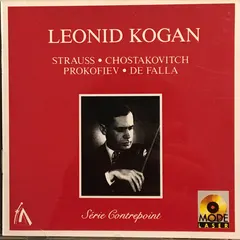
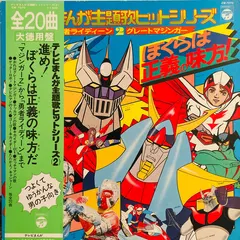
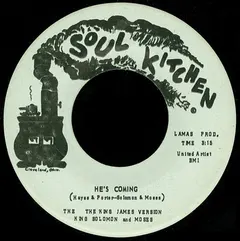
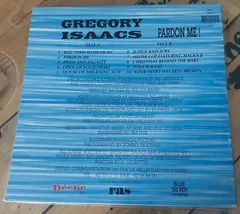

JunkPal may earn a commission when you buy through eBay links, at no extra cost to you.
What’s worth the most
Ranked on medians of real closed eBay sales, not asking prices.