What does “analog fidelity” mean?
What it means
Analog fidelity describes the accuracy of a vinyl pressing in reproducing the original studio recording. It is the degree to which the playback matches the sonic intent of the master tape. This concept is the vinyl equivalent of high-resolution digital audio. High fidelity means minimal unwanted artifacts—low surface noise, accurate frequency response (clear highs and deep, controlled lows), and excellent dynamic range (the difference between the quietest and loudest parts of the music). Low fidelity implies hiss, crackle, distortion, or a "muddy" sound where details are lost. For resellers, this translates directly to perceived audio quality.
What it does to price
Fidelity is a primary driver of premium pricing in the audiophile market. A first pressing known for superior mastering (e.g., a specific German pressing vs. a later budget reissue) can command 2x to 5x the price of a standard pressing in similar condition. A record exhibiting noticeable surface noise or audible distortion due to poor mastering will see its value drop 20-40% compared to a pristine version. For example, a highly sought-after pressing with known high fidelity might fetch $150, while a poorly mastered copy of the same release might sell for $75.
How to spot it
Directly assessing fidelity requires listening, but there are indicators. Look for specific mastering credits on the sleeve or runout groove; these often identify the mastering engineer or plant, which signals quality. Early, limited pressings often have superior fidelity because they were cut directly from the best available masters. Examine the vinyl surface under strong light for deep, consistent grooves; excessive wear or warpage indicates poor handling or pressing quality, which degrades fidelity. Fakes or bootlegs often exhibit poor groove registration, a visible tell.
Buying smart
Paying a significant premium for high analog fidelity is worthwhile when the record is a historically significant release or when the buyer is an dedicated audiophile prioritizing sound quality over mere collectibility. If the record is being purchased purely for shelf display, the fidelity premium is often unjustified. A fair deal involves a price that reflects the documented mastering quality relative to the market average for that specific pressing. If a seller claims "audiophile grade" but cannot provide evidence (like specific mastering notes or reputable source links), the premium is inflated.
Selling smart
Proving superior fidelity in a listing shifts the item from a "collectible" to an "audio investment." This is achieved by citing specific mastering details—mentioning the engineer or the pressing plant (e.g., "Cut by Bernie Grundman"). The most effective tactic is providing a high-resolution photo of the runout groove, allowing potential buyers to see the matrix numbers, which often correlate with the specific mastering run. A simple phrase like "Mastered for optimal dynamic range" can justify a 15-25% price increase over a generic listing.
On eBay right now
Current asking prices from live listings — not sold-comp medians.


eBay links are affiliate links: JunkPal may earn a commission at no cost to you.
Resale values related to analog fidelity
Shop analog fidelity on eBay ↗
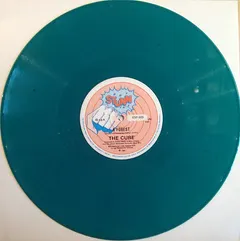


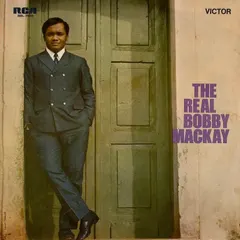

JunkPal may earn a commission when you buy through eBay links, at no extra cost to you.
What’s worth the most
Ranked on medians of real closed eBay sales, not asking prices.