What does “bootleg pressing” mean?
What it means
A bootleg pressing is a vinyl record reproduced without the permission of the original rights holder, such as the record label or artist. It is an unauthorized copy. This is not the same as a reissue, which is an authorized re-release by the original label. Bootlegs are often made by independent producers or hobbyists. In the collecting niche, they fall into two categories: low-fidelity copies made purely for profit, or high-effort archival/tribute pressings created by dedicated fans. The core difference is legality and provenance.
What it does to price
The pricing impact is highly volatile. A low-quality, mass-produced bootleg generally sells for significantly less than the original pressing, often 10-30% of the original market value, or sometimes less if the quality is poor. High-effort, limited-run bootlegs that are recognized within a specific subculture can command a premium, sometimes 2x to 5x the price of a standard, unverified copy, purely based on scarcity and fan demand. A poorly pressed bootleg of a highly sought-after album might sell for $15 when the original is $150.
How to spot it
Identifying a bootleg requires scrutiny of physical details. Check the matrix/runout etchings; official pressings carry specific codes tied to the pressing plant. Bootlegs often have generic, unverified, or entirely absent matrix numbers. Examine the sleeve printing—look for slight misalignment, poor ink registration, or overly glossy/cheap stock compared to official releases. Request high-resolution photos of the label, the vinyl surface near the spindle hole, and the back cover artwork. Common mistakes include using incorrect mastering logos or slightly altered track listings.
Buying smart
Paying a premium for a bootleg is only justifiable when the record is demonstrably high-quality, limited in quantity, and tied to a respected, recognized bootleg series or artist tribute. If the pressing quality is poor (hiss, pops, inconsistent weight), the premium is unwarranted. A fair deal involves a price that reflects the *effort* of the bootlegger, not the *value* of the original master recording. If the price is close to the original release price, it is almost certainly a counterfeit or a very poor copy.
Selling smart
To maximize resale value, the listing must clearly define the item as a bootleg. Do not attempt to pass it off as an official release. If the bootleg has a known, reputable origin (e.g., "Limited Run [Artist Name] Archive Pressing"), state that provenance clearly. The single most valuable detail to include is a photograph of the matrix/runout groove etchings, as this is the primary proof of its unauthorized nature and quality level.
On eBay right now
Current asking prices from live listings — not sold-comp medians.


eBay links are affiliate links: JunkPal may earn a commission at no cost to you.
Resale values related to bootleg pressing
Shop bootleg pressing on eBay ↗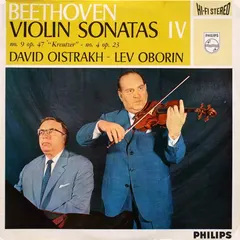



JunkPal may earn a commission when you buy through eBay links, at no extra cost to you.
What’s worth the most
Ranked on medians of real closed eBay sales, not asking prices.