What does “artwork variation” mean?
What it means
Artwork variation refers to any discernible difference between two or more pressings of the same vinyl record. This extends beyond just color shifts in the jacket to include changes in matrix runout codes, sticker placement, specific text errors, or entirely different inner sleeve designs. In the collecting niche, these variations are not random; they usually denote specific production batches, regional distribution runs (e.g., UK vs. US pressings), or intentional limited editions. The mainstream equivalent is "versioning," but "artwork variation" focuses specifically on the visual and physical packaging elements.
What it does to price
The impact on price is directly correlated with rarity and demand. A minor, easily replicated variation (e.g., a slightly different sticker placement) might yield a 10-25% premium over a standard copy. Significant, documented variations—such as an early pressing with a unique sleeve color or an insert error—can result in multipliers of 2x to 5x the price of a standard copy, depending on the item's overall market saturation. For a moderately popular album, a verifiable, rare artwork variation could push the price from \$50 to \$150. Conversely, a common, easily identifiable mistake is unlikely to increase value beyond 15%.
How to spot it
Spotting variations requires meticulous comparison. Key tells include examining the spine text, the specific typeface used on the back cover, and the presence or absence of specific promotional stickers. Always check the inner sleeve for unique printing or branding. Sellers must provide high-resolution photographs of all angles, especially the back cover and any included paper inserts. Be wary of "fake" variations; sometimes, modern reissues intentionally mimic old artwork flaws to inflate perceived value. Honest mistakes are usually identifiable through comparison charts provided by established databases.
Buying smart
Paying a significant premium for an artwork variation is justifiable only when the variation is confirmed as genuinely rare and desirable within the community. If the variation is listed as "common" or "standard," the premium is unwarranted. A fair deal means the asking price reflects the established market value for that *specific* documented version, not just the general album price. If a seller claims a rare variation but cannot provide clear, high-detail photographic evidence differentiating it from the standard release, the premium is too high.
Selling smart
Proving the artwork variation in a listing is the single most effective way to command a higher price. The listing description must explicitly name the variation (e.g., "Early Blue Sleeve Variant," "UK Import Run A"). The required photo is a clear, well-lit shot of the entire packaging, ensuring all unique elements—like specific text or sticker placement—are legible. Using the specific term "Artwork Variation: [Name of Variation]" in the title immediately signals to knowledgeable buyers that the record possesses a premium feature, justifying a higher asking price.
On eBay right now
Current asking prices from live listings — not sold-comp medians.


eBay links are affiliate links: JunkPal may earn a commission at no cost to you.
Resale values related to artwork variation
Shop artwork variation on eBay ↗

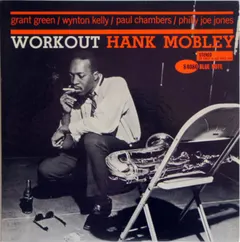
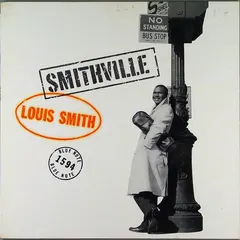


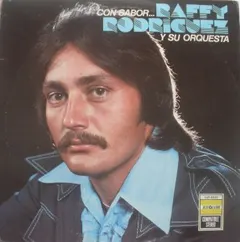
JunkPal may earn a commission when you buy through eBay links, at no extra cost to you.
What’s worth the most
Ranked on medians of real closed eBay sales, not asking prices.