What does “barcode” mean?
What it means
The barcode is the standardized Universal Product Code (UPC) or European Article Number (EAN) printed on the outer jacket or sometimes the inner sleeve of a vinyl record. In the context of vinyl collecting, it functions as a primary identifier of the record's original commercial release. It is not a grading metric itself, but rather a proxy indicator of the item's retail history. A present, crisp barcode suggests the packaging has remained close to its initial factory state, implying less handling. A missing or heavily obscured barcode often signals the packaging has been compromised, either through wear or deliberate removal.
What it does to price
The presence of a fully intact, clear barcode contributes positively to the overall condition grade, particularly for sealed or near-mint copies. For a desirable, out-of-print pressing, a copy with a perfect barcode area can command a 10-20% premium over an identical copy where the barcode is smudged or partially torn. If the barcode is completely absent from a jacket that should have one, the value can drop by 5-15%, as it raises immediate questions about the packaging's integrity or whether the jacket is a later, non-original variant. A minor scuff over the barcode area usually has negligible impact unless the scuff penetrates the printed area itself.
How to spot it
The barcode is typically located on the spine, back cover, or bottom edge of the outer sleeve. Check for the specific UPC format (usually 12 or 13 digits). Some budget or re-issue pressings may use different barcode standards or lack them entirely. A common mistake is confusing the barcode with printed catalog numbers or matrix codes, which are different identifiers. If a seller claims a copy is "Mint" but the barcode area is severely creased or water-stained, the description is inaccurate. Request high-resolution photos specifically focused on the barcode area to confirm its legibility before purchase.
Buying smart
Paying a premium for a barcode is justified when the record is a high-demand, scarce pressing and the barcode is pristine, supporting a high-grade overall assessment (e.g., Near Mint or Mint). If the record is a common, widely available reissue, the difference between a perfect barcode and a slightly worn one is negligible, and the premium is not worth the extra cost. A fair deal involves the barcode being clearly visible and undamaged, matching the seller's stated condition. If the barcode is damaged but the vinyl itself is flawless, the discount should reflect the packaging flaw, not the media quality.
Selling smart
Listing the barcode's condition is a direct input into the final sale price. When the barcode is perfect, the listing should explicitly state this, using terms like "Original Retail Barcode Intact" or "Pristine Sleeve Condition." This detail allows buyers to assign a higher perceived value to the packaging. The single most effective element to earn a premium is a clear, well-lit photograph of the barcode itself. This photo provides verifiable proof of the packaging's original state, reducing buyer hesitation and justifying a higher asking price.
On eBay right now
Current asking prices from live listings — not sold-comp medians.


eBay links are affiliate links: JunkPal may earn a commission at no cost to you.
Resale values related to barcode
Shop barcode on eBay ↗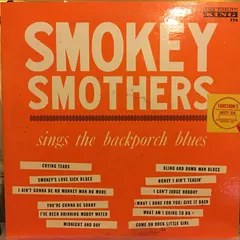
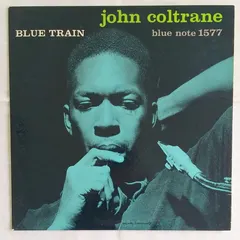



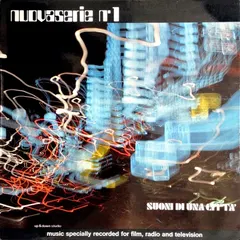


JunkPal may earn a commission when you buy through eBay links, at no extra cost to you.
What’s worth the most
Ranked on medians of real closed eBay sales, not asking prices.