What does “jewel case” mean?
What it means
A jewel case is the standardized, rigid plastic clamshell packaging used for vinyl records, distinct from the standard paper inner sleeve or gatefold sleeve. It serves as the primary outer housing for the record and its sleeve insert. While the term is common, in collecting, it specifically denotes the *original* manufacturer-supplied case. The function is physical protection against environmental factors like dust, moisture, and minor shelf impact. For grading purposes, the condition of the case is treated as a component of the overall Media/Sleeve grade (e.g., NM/VG+). A record sold without its original case is referred to as "loose" or "sleeveless."
What it does to price
The presence of an original, intact jewel case provides a tangible boost to market value. For desirable items—first pressings, limited runs, or high-demand artists—a copy in a Near Mint (NM) jewel case can command a 1.2x to 2.5x premium over an identical copy sold loose, assuming the sleeve condition is comparable. The multiplier shrinks for common, mass-market releases. Damage significantly depresses value. A case with noticeable stress cracks or missing internal plastic trays can reduce the perceived value by 20-35%. Example: A sought-after indie pressing might sell for \$75 loose, but the same copy in a pristine jewel case could reach \$100–\$120.
How to spot it
The tell is the specific molded plastic design; it is not a generic aftermarket plastic sleeve. Verify the case matches the era and pressing style of the record. Sellers must provide clear photos of the case corners and edges. Look for signs of "ring wear" on the plastic, which indicates repeated removal. Common mistakes include sellers substituting a cheap, non-original plastic case. Fakes are rare for the case itself, but sellers sometimes misrepresent the case's condition (e.g., claiming "Mint" when it has deep scuffs). Always ask for photos showing the case interior and exterior corners.
Buying smart
Paying a significant premium for a jewel case is justified when the record is a high-value collectible, such as a sought-after reissue, a rare variant, or a highly graded first pressing. If the record is common, the premium is often not worth the added cost unless the case is truly flawless. A fair deal involves the price reflecting the *grade* of the case, not just its presence. If the case is heavily yellowed or warped, the price should reflect a lower grade (e.g., VG+ case condition) rather than a full NM premium.
Selling smart
Listing the item with the original jewel case intact immediately signals completeness and authenticity to serious buyers, justifying a higher asking price. The single most effective action is including a high-resolution, well-lit photograph of the case from multiple angles, specifically highlighting the corners and seams. Use the term "Original Jewel Case" in the title. Do not simply state "In Case"; specificity drives buyer confidence and price realization.
On eBay right now
Current asking prices from live listings — not sold-comp medians.

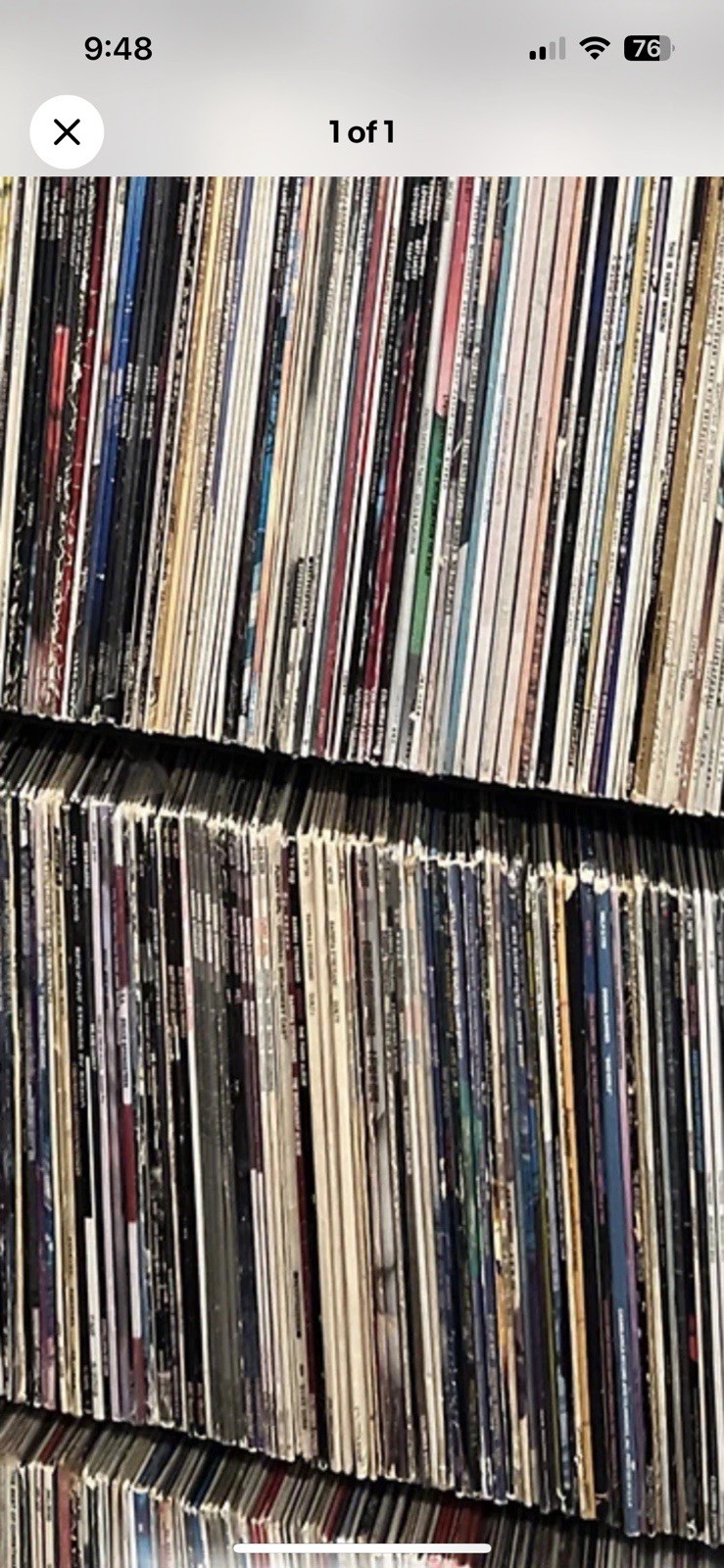


eBay links are affiliate links: JunkPal may earn a commission at no cost to you.
Resale values related to jewel case
Shop jewel case on eBay ↗


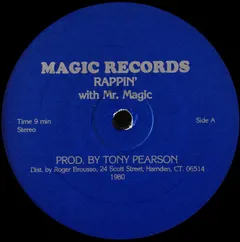


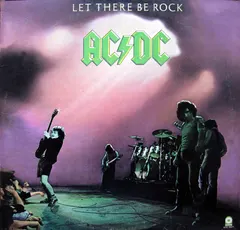
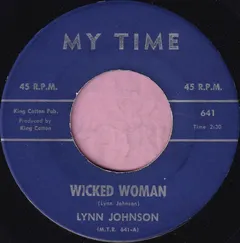
JunkPal may earn a commission when you buy through eBay links, at no extra cost to you.
What’s worth the most
Ranked on medians of real closed eBay sales, not asking prices.