What does “vinyl manufacturing” mean?
What it means
Vinyl manufacturing refers to the entire physical production chain of a record, starting from the initial analog master tape and ending with the final sealed package. This covers the vinyl compound formulation (e.g., 180g vs. 120g), the pressing plant's operational standards, and the mastering choices made before cutting the lacquer. In this niche, it is not merely the "making" of the record; it is the *quality control* of the materials and process. High-quality manufacturing implies dense, heavy vinyl (often 180g or greater) and precise pressing tolerances, which directly influence sonic warmth, low-end response, and physical longevity against warping or surface noise.
What it does to price
Manufacturing quality acts as a direct multiplier on base value. A record pressed on audiophile-grade, high-density vinyl from a reputable plant can command a 1.8x to 3x premium over a standard, thin pressing of the same release. Conversely, records made from brittle, low-grade PVC often sell at a discount, sometimes 20-40% below market average for the pressing. A specific example: A common reissue pressed on standard 120g vinyl might sell for \$30. The same release pressed on heavy 180g vinyl from a known high-fidelity plant could easily fetch \$45–\$50. Scarcity tied to specific, limited-run manufacturing batches adds further exponential value.
How to spot it
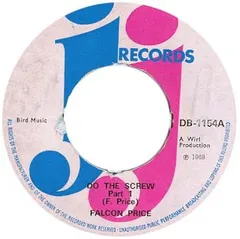
Key indicators are found in the runout groove (the area between the label and the end of the music). Look for specific matrix or lacquer etchings that denote the pressing plant or mastering engineer. Label variations—color, typeface, or specific catalog numbers—are often tied to different manufacturing runs. Sellers must provide clear photos of the vinyl surface *and* the runout groove. Common mistakes include poor center label alignment or visible mold lines on the vinyl surface, which indicate lower-grade pressing equipment. Fakes often fail to replicate the specific, subtle markings in the runout groove.
Buying smart
Paying a premium for manufacturing quality is justified when the record is a highly sought-after original pressing, a definitive reissue, or when the sonic difference is demonstrable (e.g., comparing a thin reissue to a heavy audiophile pressing of a critical album). It is not worth the premium for a common, non-limited pressing unless the seller can prove the superior compound quality. A fair deal recognizes the material cost; if a 180g pressing is priced within 1.5x of a standard pressing, the premium is likely unwarranted.
Selling smart
Proving superior manufacturing is the fastest way to elevate perceived value. Listing descriptions must explicitly state the vinyl weight (e.g., "Heavyweight 180g Vinyl") and mention the pressing plant if known. The single most valuable piece of evidence is a high-resolution photo clearly showing the runout groove etchings. Using the term "Audiophile Pressing" or "High-Density Vinyl" in the title, backed by evidence, allows the seller to command the top tier of pricing for that specific release.
On eBay right now
Current asking prices from live listings — not sold-comp medians.


eBay links are affiliate links: JunkPal may earn a commission at no cost to you.
Resale values related to vinyl manufacturing
Shop vinyl manufacturing on eBay ↗






JunkPal may earn a commission when you buy through eBay links, at no extra cost to you.
What’s worth the most
Ranked on medians of real closed eBay sales, not asking prices.