What does “retro toy” mean?
What it means
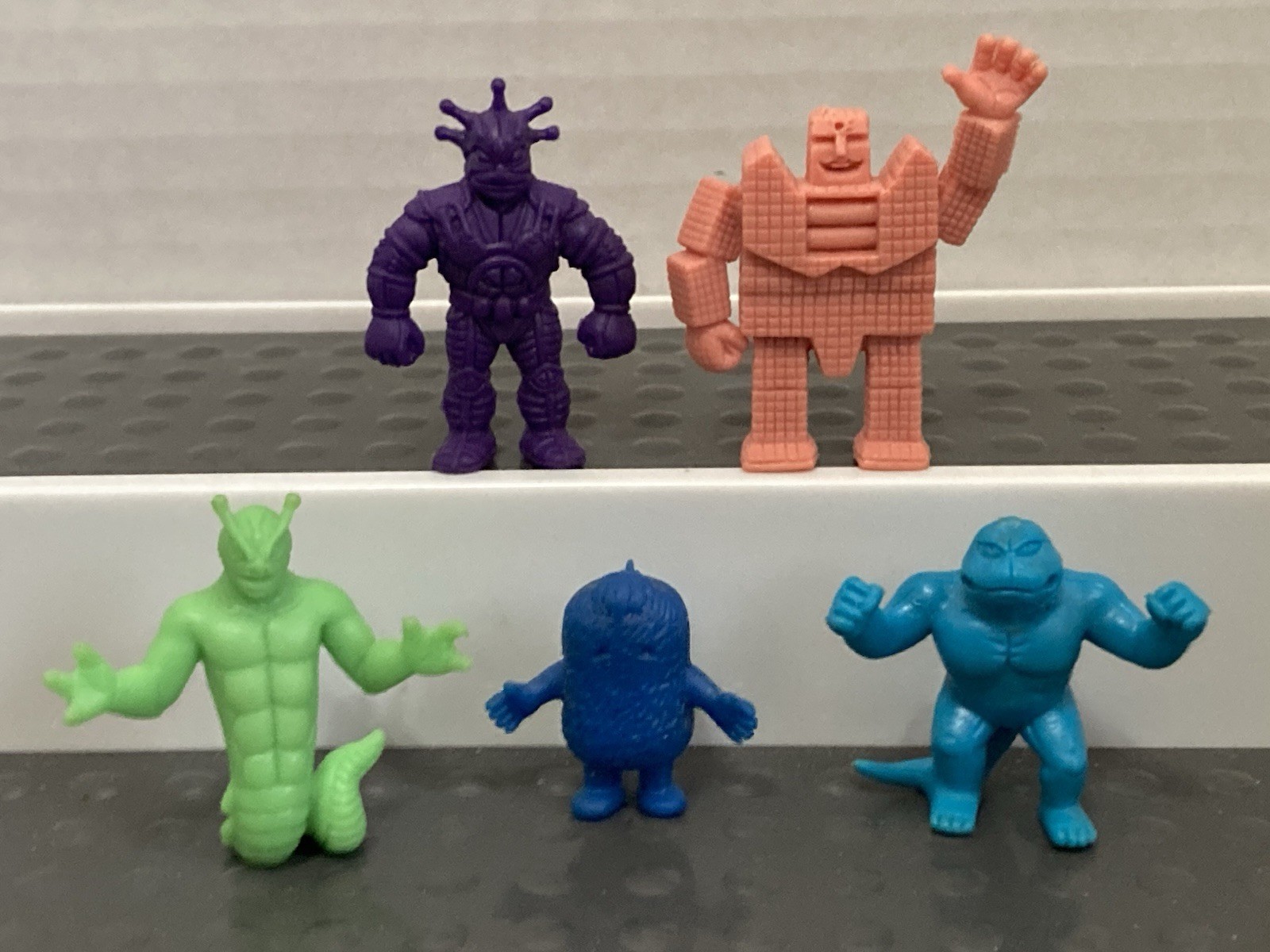
A retro toy is a manufactured plaything designed to evoke nostalgia. The scope is broad, generally covering items produced from the 1950s through the early 2000s. This category is not strictly defined by age but by cultural resonance. It encompasses vintage action figures, classic board games, die-cast vehicles, and early electronic toys. The term is a market shorthand for items appealing to adult collectors seeking relics of their childhood or past decades. The focus is on the object's historical connection to a specific era of consumer culture.
What it does to price
Condition is the primary driver of value. A mint-in-box (MIB) or complete-in-box (CIB) example commands a significant premium over loose items. Typically, a CIB copy fetches 1.5x to 4x the price of a comparable loose piece, depending on the toy's scarcity. High-demand, culturally significant items (e.g., specific 1980s sci-fi lines) can see multipliers exceeding 5x. Damage, missing accessories, or heavy playwear can reduce value by 40% or more. For example, a common 1990s character figure in perfect condition might sell for \$30; the same figure missing its original blister card might sell for \$12.
How to spot it
Authentication requires scrutiny of production details. Check for copyright dates stamped on the packaging or base of the toy. Look for specific mold variations or paint application inconsistencies that denote different production runs. For older items, examine the plastic for signs of UV degradation or brittleness. Common issues include "re-issues"—modern reproductions marketed as originals; these often have slightly different plastic textures or modern copyright markings. Sellers should provide high-resolution photos of all seams, markings, and packaging corners.
Buying smart
Paying a premium is justified when the toy represents a known, high-demand piece from a specific, beloved franchise, and the item is CIB. If the toy is a common, low-profile item from a less culturally significant era, the premium for perfect condition is often not worth the investment. A fair deal involves the asking price being within 15-25% of comparable, verified sales listings for the same condition. If the item is heavily damaged but rare, the price must reflect the restoration cost and inherent risk.
Selling smart
Listing must clearly define the toy's state and history. Providing detailed photographic evidence of all flaws (scratches, fading, pinholes) manages buyer expectations and prevents returns. The single most valuable addition to a listing is documentation of provenance—a receipt, original box photo, or dated acquisition record. This transforms the item from a "retro toy" into a documented collectible, often justifying a 20-35% price increase over listings where provenance is absent.
On eBay right now
Current asking prices from live listings — not sold-comp medians.


eBay links are affiliate links: JunkPal may earn a commission at no cost to you.
Resale values related to retro toy
Shop retro toy on eBay ↗
![Freddy Funko As John Cena [Translucent] #SE (Freddy Funko)](https://storage.googleapis.com/images.pricecharting.com/lyrdg4rrad7mwvm2/240.jpg)
![Sloth [Superman Shirt] #76 (Movies)](https://storage.googleapis.com/images.pricecharting.com/guxyemxeq4l5yqh5/240.jpg)
![Steamboat Willie [D23] #24 (Disney)](https://storage.googleapis.com/images.pricecharting.com/24bkzfe6wtobrgku/240.jpg)
![Hawkman [Metallic] #17 (Heroes)](https://storage.googleapis.com/images.pricecharting.com/ye34olsq2kzpoxgt/240.jpg)
![Marcus Fenix [SDCC Black Lancer With Head] #112 (Games)](https://storage.googleapis.com/images.pricecharting.com/wfrqtgqrmk4iw7ku/240.jpg)
![Green Goblin [GITD] #109 (Marvel)](https://storage.googleapis.com/images.pricecharting.com/izbwrg7mqo2h5tqb/240.jpg)
JunkPal may earn a commission when you buy through eBay links, at no extra cost to you.
What’s worth the most
Ranked on medians of real closed eBay sales, not asking prices.