What does “retro collectible” mean?
What it means
"Retro collectible" in the toy niche refers to manufactured items, primarily toys, originating from a defined past period, usually spanning the 1950s through the 1990s. The defining characteristic is not merely age, but the item's cultural cachet—its ability to trigger strong, positive nostalgia in the target demographic. This is distinct from "vintage," which strictly denotes age (often 20+ years), and "antique," which applies to much older items. A retro collectible is a modern-era artifact appreciated for its historical cultural footprint.
What it does to price
Nostalgia acts as a significant value multiplier. A complete, in-box (CIB) example of a highly sought-after retro item can typically fetch 1.5x to 3x the price of the same item loose, assuming comparable condition. Condition is the primary determinant of value; near-mint condition commands the highest premium. Conversely, significant play wear or missing original packaging can reduce value by 40% or more. For example, a pristine 1980s action figure in its original cardback might sell for $150, while the same figure loose and scuffed might sell for $50.
How to spot it
Identification requires verifying the production run and specific release window. Look for copyright dates, mold markings, or specific color palettes associated with the toy’s peak cultural relevance. Sellers must provide clear photos of the underside of the packaging or the base of the toy to confirm manufacturing details. Common pitfalls include reproductions or "bootlegs," which often lack precise paint application or use incorrect plastic compounds. An honest mistake often involves confusing a later re-release with the original production run; these are significantly less valuable.
Buying smart
Paying a premium for a retro collectible is justified when the item is demonstrably rare within its era, possesses high cultural significance (e.g., tied to a major film or TV show), and is in excellent, verifiable condition. If the item is common, widely available, or in poor condition, the premium often does not justify the purchase. A fair deal involves a price that reflects the item's scarcity *and* its condition relative to documented sales data for that specific sub-line.
Selling smart
Listing accuracy maximizes return. Stating the item's precise era (e.g., "1986 Run") and condition level (e.g., "Mint on Card") immediately qualifies the item for the high-value collector segment. The single most valuable addition to a listing is a high-resolution photograph of the original packaging showing the manufacturer's copyright date or specific edition numbering. This single detail transforms the item from a generic toy into a verified piece of collectible history, justifying the top-tier price point.
On eBay right now
Current asking prices from live listings — not sold-comp medians.
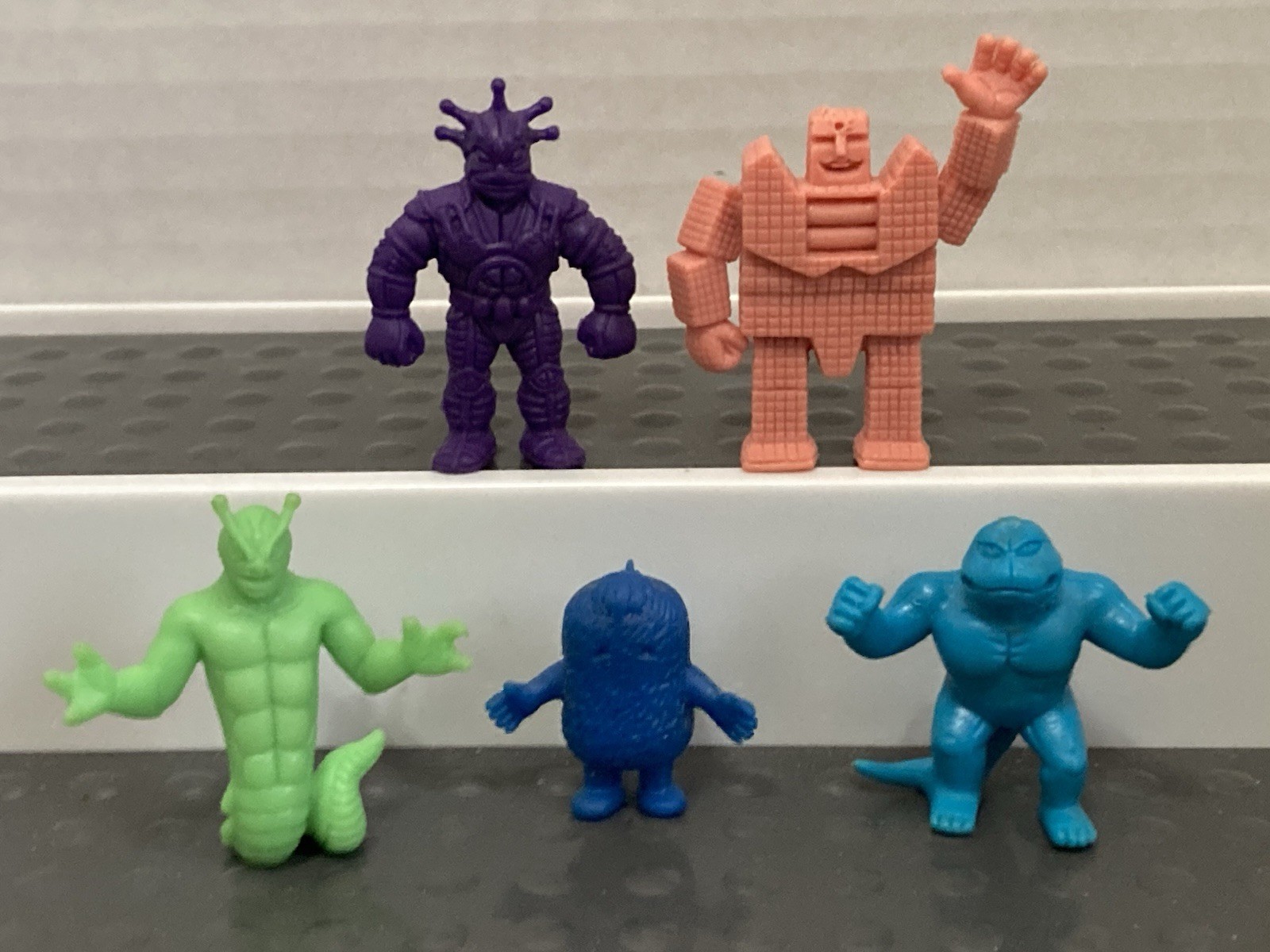


eBay links are affiliate links: JunkPal may earn a commission at no cost to you.
Resale values related to retro collectible
Shop retro collectible on eBay ↗

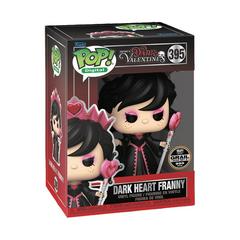


![Bruce Lee Kicking [San Fransisco Giants - Orange] #592 (Movies)](https://storage.googleapis.com/images.pricecharting.com/tloc5jtmmdjh5x25/240.jpg)
![Ariel & Ursula [Metallic] (Minis)](https://storage.googleapis.com/images.pricecharting.com/ovxsxrus2ixljhed/240.jpg)

JunkPal may earn a commission when you buy through eBay links, at no extra cost to you.
What’s worth the most
Ranked on medians of real closed eBay sales, not asking prices.