What does “retooling” mean?
What it means
Retooling is the deliberate, non-original modification or restoration of a toy item. This goes beyond simple cleaning or light dusting. It involves altering the toy’s original state to enhance its marketability or functionality. The scope is broad: minor cosmetic repairs (paint touch-ups, hinge tightening) to complete mechanical overhauls (replacing internal electronics, significant body modifications). In the mainstream, this is often called "restoration" or "customization." In the collector niche, "retooling" implies an intentional, often permanent, change to the item's factory condition.
What it does to price
The price impact is entirely dependent on execution quality and scope. Minor, professional cosmetic fixes (e.g., repainting chipped areas) might add 10-25% to the loose value. Major functional overhauls or high-level, professional customization can yield 1.5x to 3x the value of a comparable, unrestored item, particularly if the original was heavily damaged. Conversely, amateur or poorly executed retooling—such as mismatched paint jobs or visible glue residue—can instantly devalue the item by 30-50% because it signals poor craftsmanship or unauthorized alteration. A $50 loose figure with a professional, high-quality repaint might sell for $80-$125, whereas the same figure with amateur paint application might sell for $30.
How to spot it
Inspect seams, joints, and paint application closely. Look for evidence of new materials or mismatched finishes; factory paint lines should be consistent. If the item has been heavily modified, check for evidence of disassembly—missing original screws or tool marks. Sellers must provide high-resolution, multi-angle photos, specifically showing areas that were repaired or altered. A common honest mistake is an over-eager repair that obscures original markings. A red flag is a seller claiming "restored" without providing clear before-and-after documentation.
Buying smart
Paying a premium for retooling is justified when the item is otherwise heavily damaged, rare, or when the retooling is demonstrably professional and reversible (if possible). If the modification is purely aesthetic and the original item is mint, the premium is rarely worth it unless the customization is highly sought after by a specific sub-community. A fair deal involves the premium being proportional to the documented skill level. If a seller claims a "museum-quality restoration," the price should reflect that level of labor, not just the parts cost.
Selling smart
Transparency drives value. Never hide retooling. A listing must clearly state *what* was done (e.g., "Full paint refresh, joint lubrication, custom weathering"). The single most valuable asset in a listing is a side-by-side photo comparison: the original damage next to the finished product. Using the term "Professionally Retooled" or "Restored" is better than vague terms like "fixed." Detailed documentation proves the value proposition—the buyer is paying for the *result* of the work, not just the toy itself.
On eBay right now
Current asking prices from live listings — not sold-comp medians.
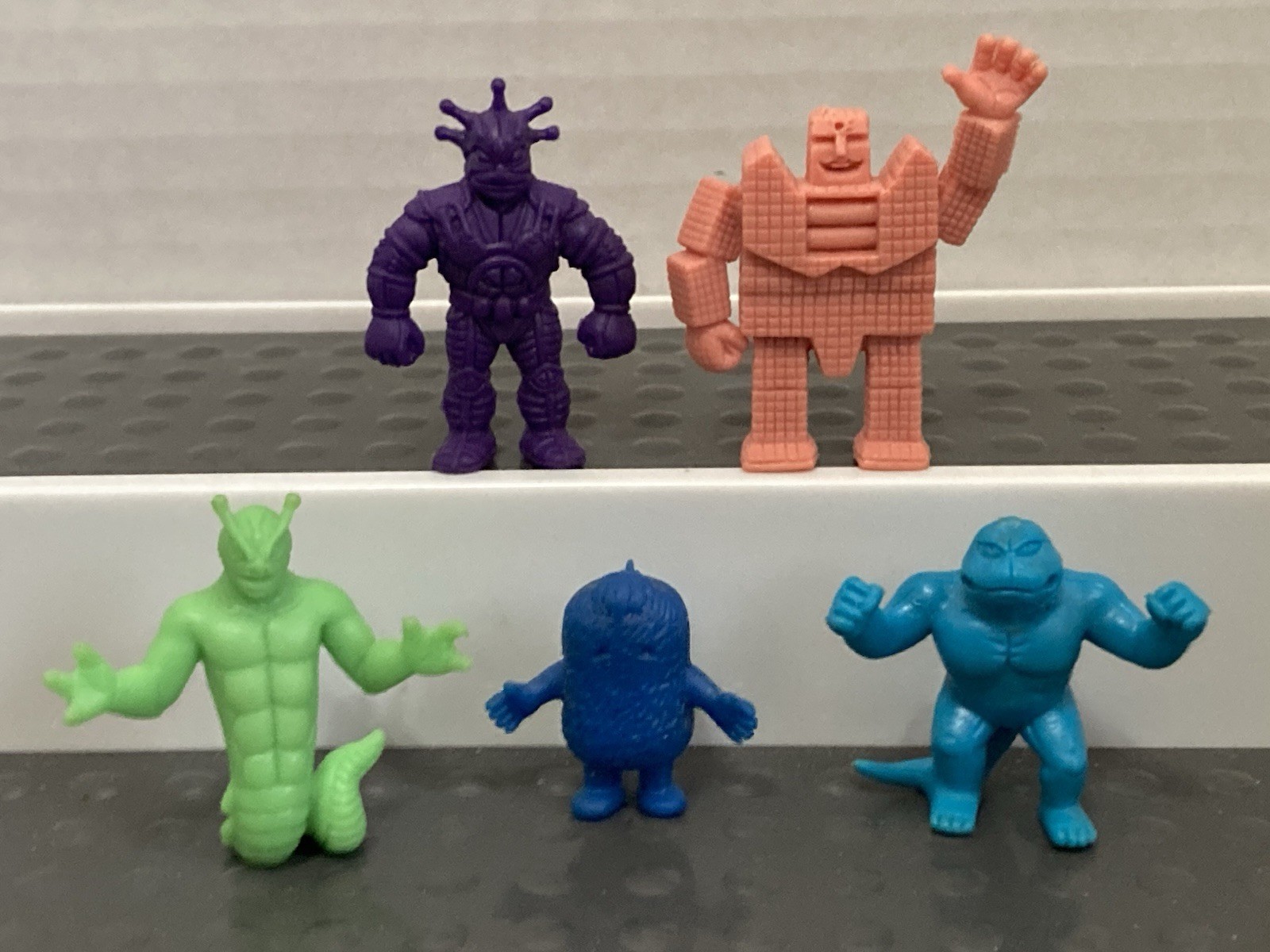


eBay links are affiliate links: JunkPal may earn a commission at no cost to you.
Resale values related to retooling
Shop retooling on eBay ↗![Batman [Black And White] #621 (Heroes)](https://storage.googleapis.com/images.pricecharting.com/jnmlup4n7nvvycf4/240.jpg)


![Freddy Funko As Frodo Baggins [Immortalized] #SE (Freddy Funko)](https://storage.googleapis.com/images.pricecharting.com/kjrzj73hqad4mfye/240.jpg)

![Freddy Funko Superman [Metallic] #6 (Freddy Funko)](https://storage.googleapis.com/images.pricecharting.com/iabol3yvwsoqiqnt/240.jpg)
JunkPal may earn a commission when you buy through eBay links, at no extra cost to you.
What’s worth the most
Ranked on medians of real closed eBay sales, not asking prices.