What does “retail packaging” mean?
What it means
Retail packaging is the original commercial presentation of a toy. This includes the outer box, blister card, window box, plastic clamshell, or any factory-applied protective wrapping. In the collecting niche, this is often referred to as "Mint in Box" (MIB) or "Complete in Box" (CIB). The packaging serves as primary evidence of the item's provenance and condition. It is not merely a container; it is part of the collectible asset. The condition of the packaging—its structural integrity, print quality, and completeness—is directly tied to the item’s graded value.
What it does to price
Packaging condition acts as a significant multiplier on the base value of the toy itself. A toy that is loose (out of package) typically trades at a lower baseline. A CIB copy usually fetches 1.5x to 3x the price of a comparable loose item, depending on the toy's rarity. Minor shelf wear (light scuffing on the box corners) might incur a 10-20% deduction. Severe damage—creases across the main artwork, missing inserts, or significant water damage—can reduce value by 50% or more, sometimes rendering it unsellable to high-end collectors. For example, a sealed, pristine vintage action figure box might command an extra $50-$150 over the same figure loose, depending on the character's market demand.
How to spot it
Verification requires close inspection of several elements. Check for factory seals, which must be intact and unbroken. Examine the card backing for print quality; faded colors or peeling edges indicate age or poor storage. Look for copyright dates and edition numbers printed on the packaging itself, which can confirm authenticity or identify specific production runs. Sellers must provide high-resolution photos showing the entire perimeter of the box, including the top, bottom, and back panel. A common mistake is confusing factory-applied protective plastic from transit with original retail sealing.
Buying smart
Paying a premium for perfect retail packaging is justifiable only when the toy is a high-tier, rare, or highly sought-after item. For common, low-value toys, the added cost of perfect packaging rarely yields a return that justifies the expense. A fair deal requires the asking price to reflect the *condition of the packaging* as much as the toy. If a seller claims "Mint" condition but provides blurry photos of the corners, the price is inflated until verifiable proof is provided.
Selling smart
Presenting the item with pristine retail packaging allows the seller to target the highest-paying segment of the market—the completionist or graded collector. The single most effective element in a listing is a clear, well-lit photograph of the entire exterior of the packaging, showing all four sides. Using the term "Sealed," "MIB," or "CIB" accurately, backed by photographic evidence, immediately signals the item’s premium status and justifies a higher listing price.
On eBay right now
Current asking prices from live listings — not sold-comp medians.
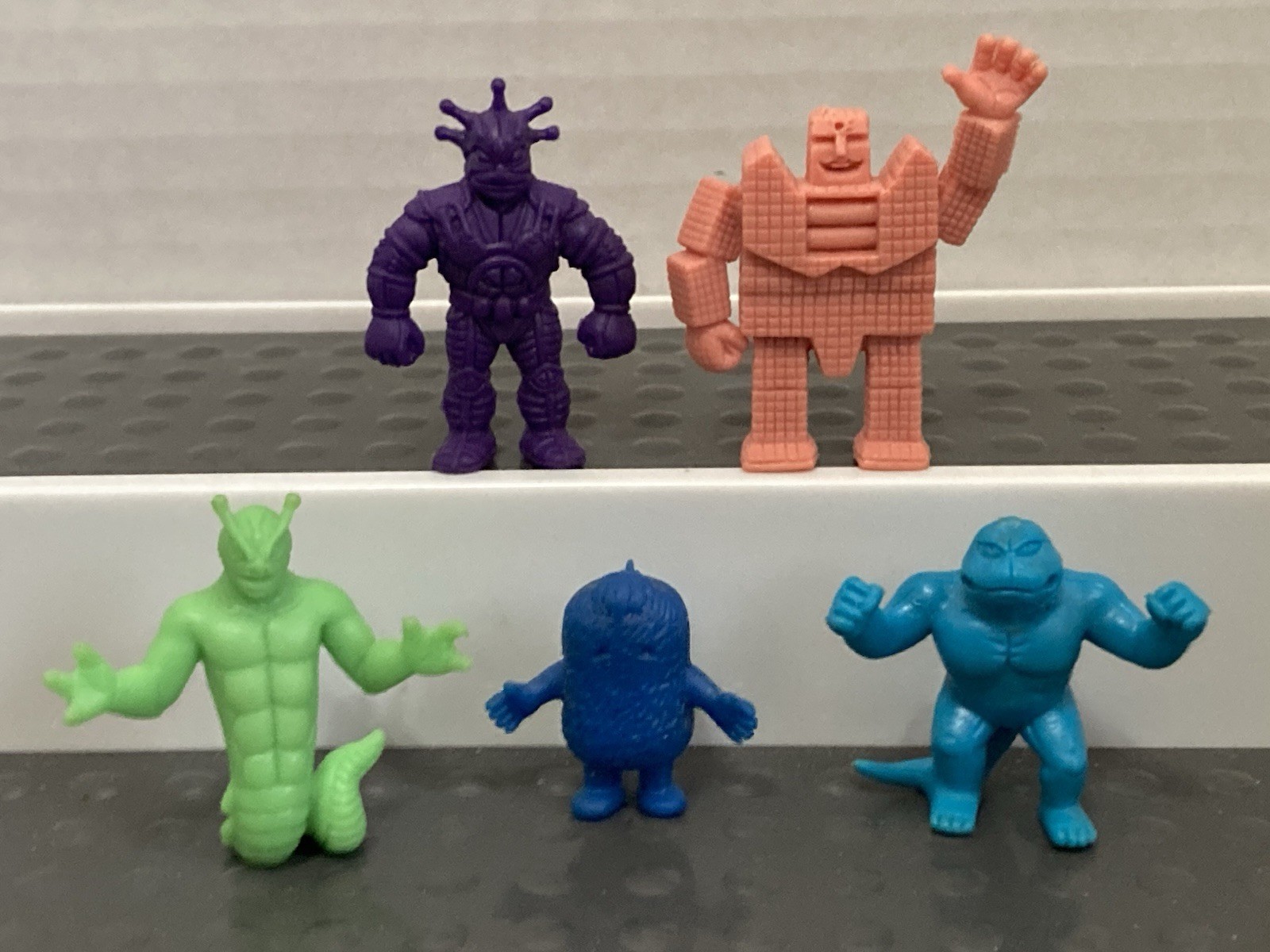


eBay links are affiliate links: JunkPal may earn a commission at no cost to you.
Resale values related to retail packaging
Shop retail packaging on eBay ↗![Sung Jinwoo E-Rank [CCXP] #1941 (Animation)](https://storage.googleapis.com/images.pricecharting.com/42ecy45hl6gy6uef/240.jpg)
![Conehead Zombie [Metallic] #5 (Games)](https://storage.googleapis.com/images.pricecharting.com/oaiue4z5mpx3iw67/240.jpg)

![Freddy Funko As Star-Lord [Blacklight] #SE (Freddy Funko)](https://storage.googleapis.com/images.pricecharting.com/66icgzw36lopsd6y/240.jpg)
![Freddy Funko Steve Harrington [With Sunglasses] #SE (Freddy Funko)](https://storage.googleapis.com/images.pricecharting.com/pp6bxaavvzng4b2m/240.jpg)


JunkPal may earn a commission when you buy through eBay links, at no extra cost to you.
What’s worth the most
Ranked on medians of real closed eBay sales, not asking prices.