What does “prototype variant” mean?
What it means
A prototype variant is an early, pre-production sample of a toy. It exists before the final design is approved for mass manufacturing. These pieces are not simply "early releases"; they are development models. Differences from the final retail product can be extensive, involving tooling changes, unfinalized color palettes, or functional modifications. Mainstream equivalent: A concept model or engineering sample. The defining characteristic is its status as a non-commercial, developmental piece.
What it does to price
The scarcity of genuine prototypes creates a significant price premium. A verified, high-quality prototype variant can fetch 3x to 10x the price of the final retail version, depending on the toy's overall rarity and cultural impact. Minor variations, such as a single unpainted test shot, may only command a 1.2x multiplier over the final product. Conversely, an unverified "prototype" with no supporting documentation may sell for only 1.1x the retail price, as its value is purely speculative. For example, a standard action figure retails for \$50; a verified, early-stage prototype could easily sell for \$300+.
How to spot it
Identifying a true prototype requires looking beyond surface aesthetics. Look for factory tooling marks that appear rougher or less refined than final production molds. Packaging variations are key: prototypes often lack final branding, feature placeholder text, or come in plain brown boxes instead of retail blister packs. Sellers must provide high-resolution photos of internal markings, mold seams, or any internal serial/batch codes that indicate pre-production status. Common mistakes include mislabeling a very early production run (a "first shot") as a true prototype. Fakes often use the correct colors but lack the specific, rough tooling marks of the development phase.
Buying smart
Paying a premium for a prototype variant is justified only when the item has demonstrable historical significance or is from a highly sought-after, limited-run line. If the toy is common or the development phase was minor, the risk outweighs the reward. A fair deal requires the seller to provide verifiable proof of its prototype status. If the documentation is vague, the price should be capped near the standard retail value plus a small premium (1.2x–1.5x). If the documentation is robust—e.g., factory paperwork or designer notes—the premium is warranted.
Selling smart
The primary driver of value in selling a prototype variant is proof of authenticity. Listing the item as a "Prototype Variant: Verified Development Sample" immediately shifts the buyer's perception from "collectible toy" to "historical artifact." The single most valuable element to include in a listing is a photograph of the item alongside any accompanying documentation (e.g., a manufacturer's internal code sheet). A simple word like "Verified" in the title, backed by photos, can justify a 2x to 5x price increase over an unverified listing.
On eBay right now
Current asking prices from live listings — not sold-comp medians.
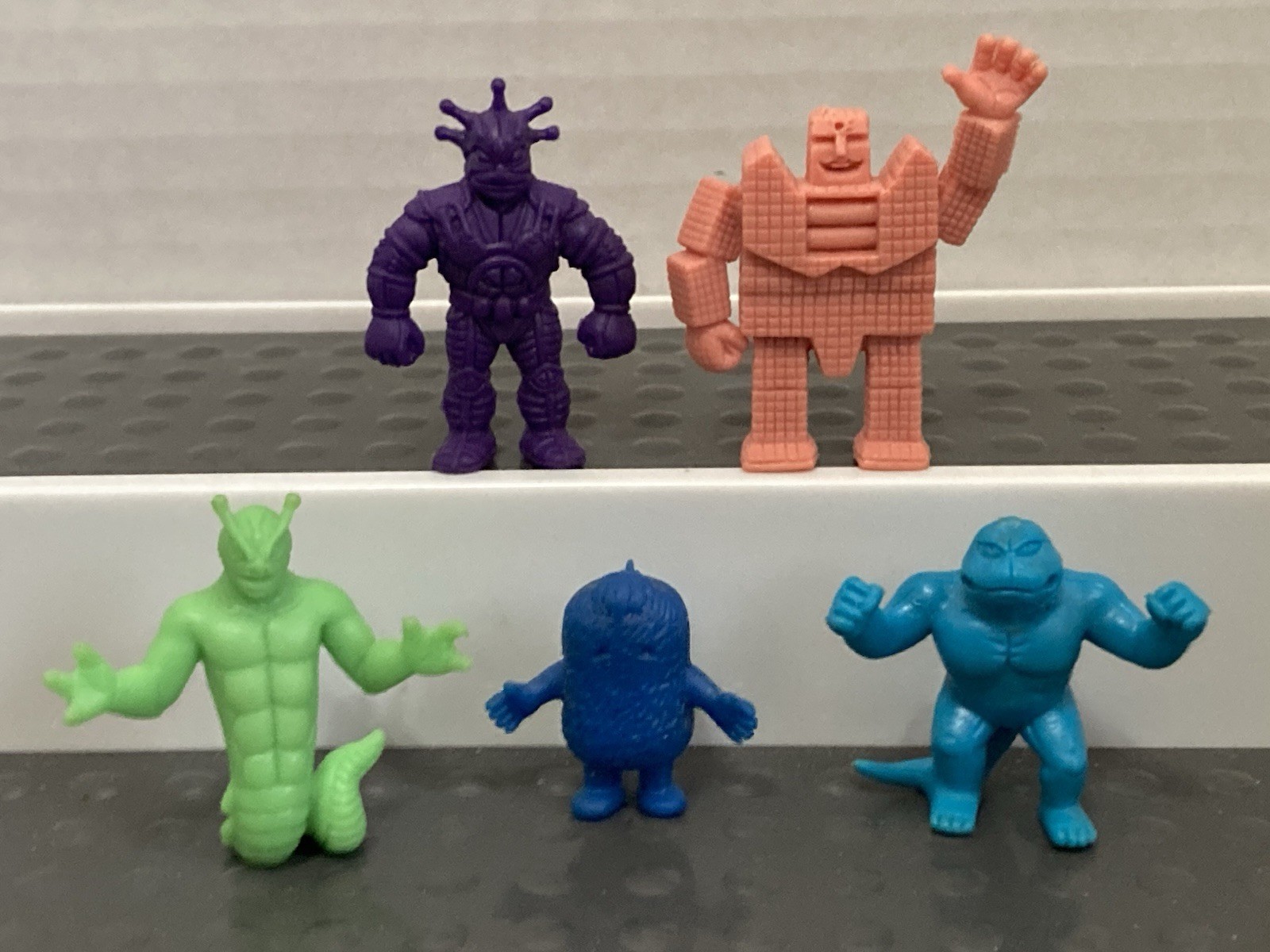


eBay links are affiliate links: JunkPal may earn a commission at no cost to you.
Resale values related to prototype variant
Shop prototype variant on eBay ↗![Andy Dwyer Johnny Karate [Fugitive Toys 500] #533 (Television)](https://storage.googleapis.com/images.pricecharting.com/qixotgn4okzxhafx/240.jpg)
![The Lich [Green] #303 (Television)](https://storage.googleapis.com/images.pricecharting.com/mlvd324te63dz4ph/240.jpg)
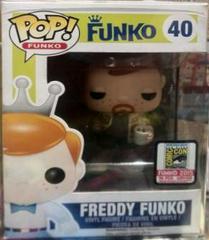
![Freddy Funko As Rocky [Metallic] #SE (Freddy Funko)](https://storage.googleapis.com/images.pricecharting.com/yilfgpin2yrqhksx/240.jpg)

![Hopper [Gold] #512 (Television)](https://storage.googleapis.com/images.pricecharting.com/m6wv6ntltzlmzo7x/240.jpg)
![Bone Daddy [GITD] #6 (Fantastik Plastik)](https://storage.googleapis.com/images.pricecharting.com/n6dp33gvoht553jl/240.jpg)
![Bane Dia De Los DC [GITD] #412 (Heroes)](https://storage.googleapis.com/images.pricecharting.com/f6uanb725ra7wcq6/240.jpg)
JunkPal may earn a commission when you buy through eBay links, at no extra cost to you.
What’s worth the most
Ranked on medians of real closed eBay sales, not asking prices.