What does “packaging variant” mean?
What it means
A packaging variant is any deviation from the standard, mass-market presentation of a collectible toy. This goes beyond simple wear and tear. It encompasses deliberate production changes—such as a shift in the color palette of the outer carton, the inclusion of a different promotional sticker, or a change in the internal tray mold—or accidental manufacturing errors. In the collecting sphere, the packaging is not merely protective; it is a documented part of the product's identity. A "variant" implies a distinct, often cataloged, iteration of the toy line.
What it does to price
Packaging condition dictates a primary valuation tier. A factory-sealed, mint-condition variant commands the highest premium. For high-demand, vintage items, a sealed, desirable variant can fetch 2x to 5x the price of a loose or damaged copy. Minor cosmetic defects on the box (creases, corner dings) can reduce value by 15% to 30%. Conversely, a known, rare variant—even if the toy inside is standard—can increase value by 1.5x to 3x due to scarcity. For example, a standard figure in a rare, limited-run window box might sell for $150, whereas the same figure in the standard box might sell for $40.
How to spot it
Identification requires close inspection of print details and structural elements. Look for specific print runs indicated by small codes on the back of the box, variations in ink saturation, or changes in the manufacturer's logo placement. Common tells include different card stock thickness or the presence/absence of specific promotional inserts. Sellers must provide high-resolution, well-lit photos of all four sides of the packaging, including any UPC or copyright information. Be wary of "re-boxed" items; these are often aftermarket replacements and significantly devalue the item unless explicitly disclosed.
Buying smart
Paying a premium for a packaging variant is justified only when the variant is documented as rare, limited, or historically significant. If the difference is merely a minor color shift that is not cataloged or discussed by established collectors, the premium is likely inflated. A fair purchase involves verifying the variant status through established collector forums or databases. If a seller claims a rare variant but cannot provide verifiable proof (e.g., serial number matching or documented production runs), the risk outweighs the potential reward.
Selling smart
Proving the existence and rarity of a packaging variant is the most direct path to maximizing sale price. Listing descriptions must explicitly name the variant (e.g., "1998 Blue Label Variant"). The single most valuable piece of evidence is a close-up photograph of the specific distinguishing feature—a unique sticker, a different UPC code, or a specific text block on the box. This documentation shifts the item from a standard listing to a specialized collectible listing, justifying the higher price point to informed buyers.
On eBay right now
Current asking prices from live listings — not sold-comp medians.

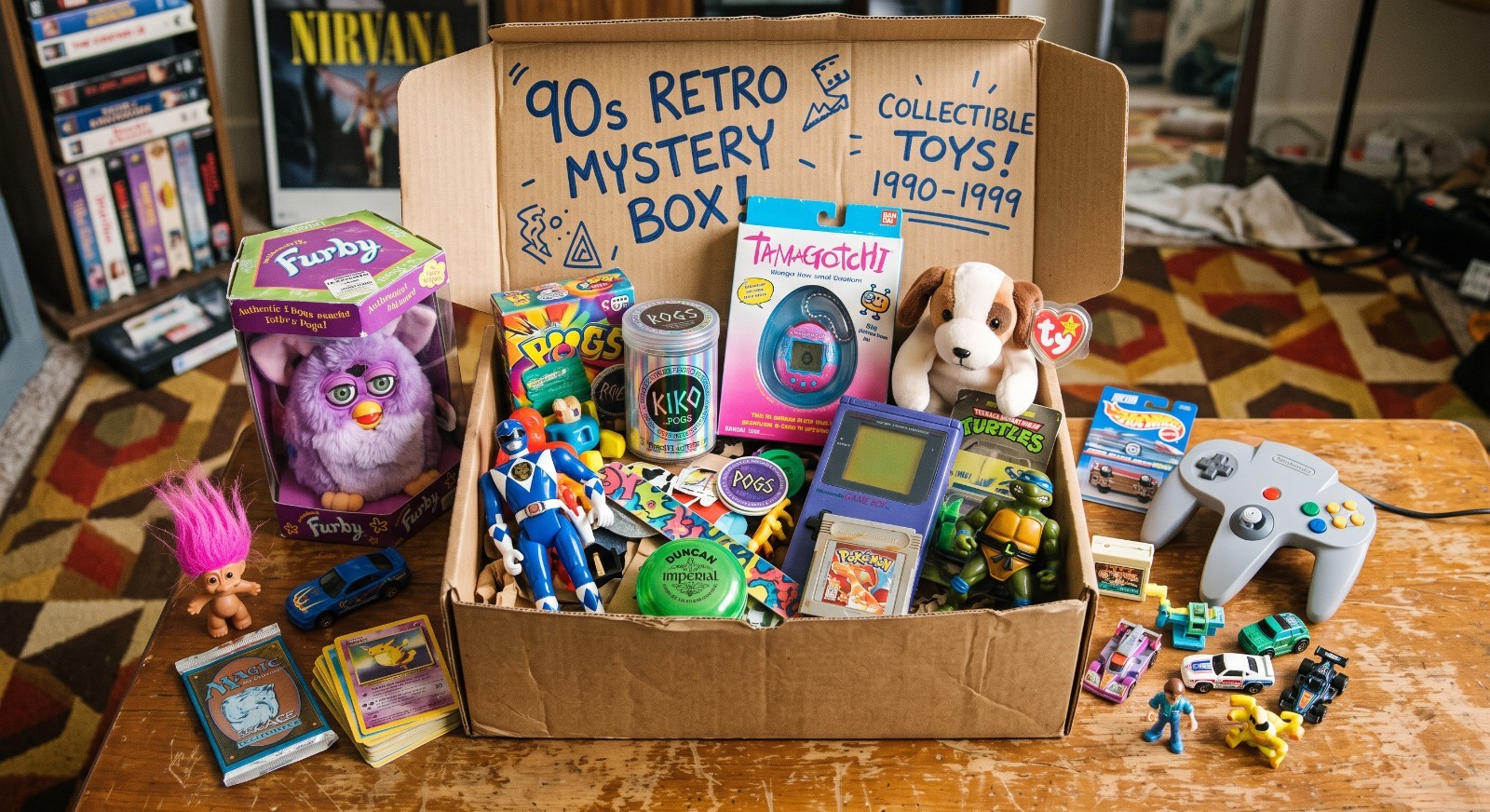

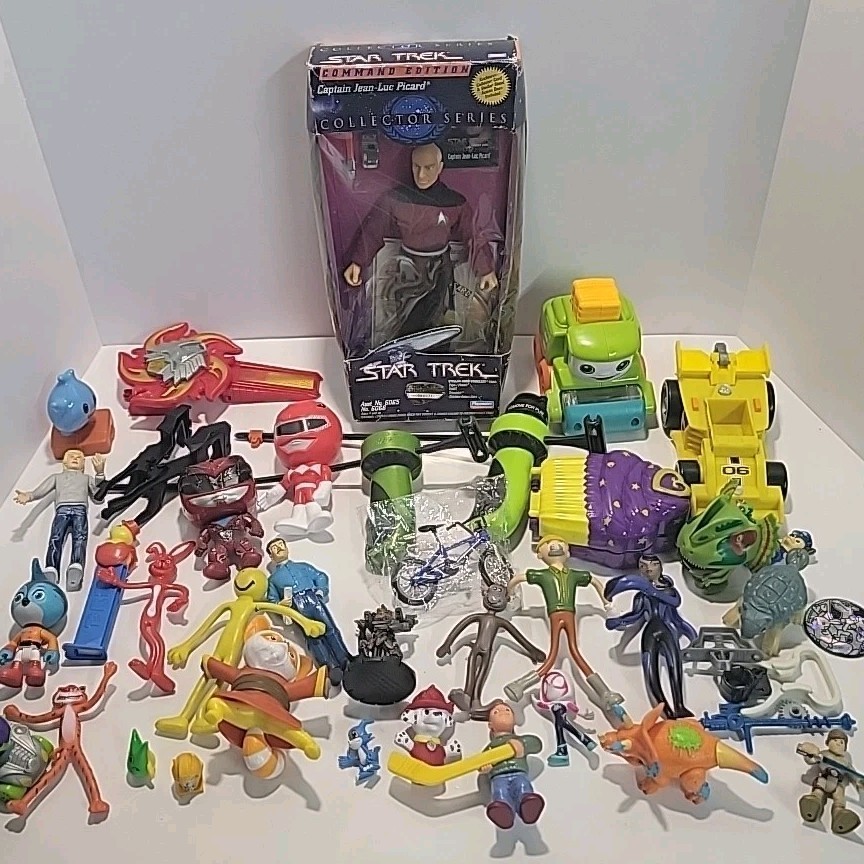


eBay links are affiliate links: JunkPal may earn a commission at no cost to you.
Resale values related to packaging variant
Shop packaging variant on eBay ↗![Gizmo [Flocked] #4 (Movies)](https://storage.googleapis.com/images.pricecharting.com/ppliumnvbzjs6pxm/240.jpg)
![King Felix [Gold] #1 (Mlb)](https://storage.googleapis.com/images.pricecharting.com/qniaa4npt4iywkp4/240.jpg)
![Green Arrow [Metallic] #15 (Heroes)](https://storage.googleapis.com/images.pricecharting.com/sfoqif2blbln44wh/240.jpg)
![Raphael [Metallic] #61 (Television)](https://storage.googleapis.com/images.pricecharting.com/bgvdomc3m4vnycqd/240.jpg)


![Beast [Flocked] #21 (Marvel)](https://storage.googleapis.com/images.pricecharting.com/yvoycgcknzf2xrfu/240.jpg)
JunkPal may earn a commission when you buy through eBay links, at no extra cost to you.
What’s worth the most
Ranked on medians of real closed eBay sales, not asking prices.