What does “packaging pull” mean?
What it means
"Packaging pull" describes a toy or collectible item that has been removed from its original factory packaging. This is the state opposite of New In Box (NIB) or Mint In Box (MIB). When an item is a "packaging pull," it means the actual toy or figure is accessible, often having been played with or displayed, even if the original box remains nearby. The mainstream equivalent is simply "loose" or "out of box." The value difference between a sealed item and a packaging pull is dictated by the collector's preference for completeness versus playability.
What it does to price
The presence of original, undamaged packaging can multiply the value of a collectible by 2x to 5x compared to the same item sold loose. A loose version of a sought-after character might sell for \$50, while the sealed version could command \$150 to \$250. Factors pushing the price down for a pull include visible play wear on the toy itself, missing accessories, or significant damage to the outer packaging (e.g., large creases, water damage). Conversely, a pull that is pristine—toy untouched, box in near-mint condition—will fetch a higher price than a heavily used pull.
How to spot it
The tell is physical access. If the toy is visible outside the sealed plastic or cardboard, it is a pull. Sellers must confirm if the item was *ever* opened. Look for subtle signs of handling on the packaging, such as small scuffs on the corners of a blister card, or minor adhesive residue marks on the inside of a box flap. For high-value items, request high-resolution photos of the toy's joints or paint application to confirm it hasn't been tampered with or repaired. Be wary of sellers claiming "Mint in Box" when the plastic seal is clearly broken.
Buying smart
Paying a premium for a packaging pull is only justified when the toy itself is rare, highly desirable, or has known flaws that are only visible when the item is loose. If the toy is common or has no known aftermarket demand for loose versions, the premium for the box is usually not worth the cost. A fair deal for a pull is when the price difference between the sealed and loose version is less than 30% of the sealed price, provided the toy itself is in excellent, display-worthy condition.
Selling smart
Listing a packaging pull accurately dictates buyer expectations and price ceiling. The single most effective step is taking a clear, well-lit photograph of the toy *outside* the packaging, alongside a photo of the packaging itself. Use the term "Loose" or "Out of Box" in the title, never implying it is sealed. If the toy has any blemishes, photograph them. Honesty about the item's status prevents returns and builds trust, leading to faster sales and higher final prices from serious collectors.
On eBay right now
Current asking prices from live listings — not sold-comp medians.

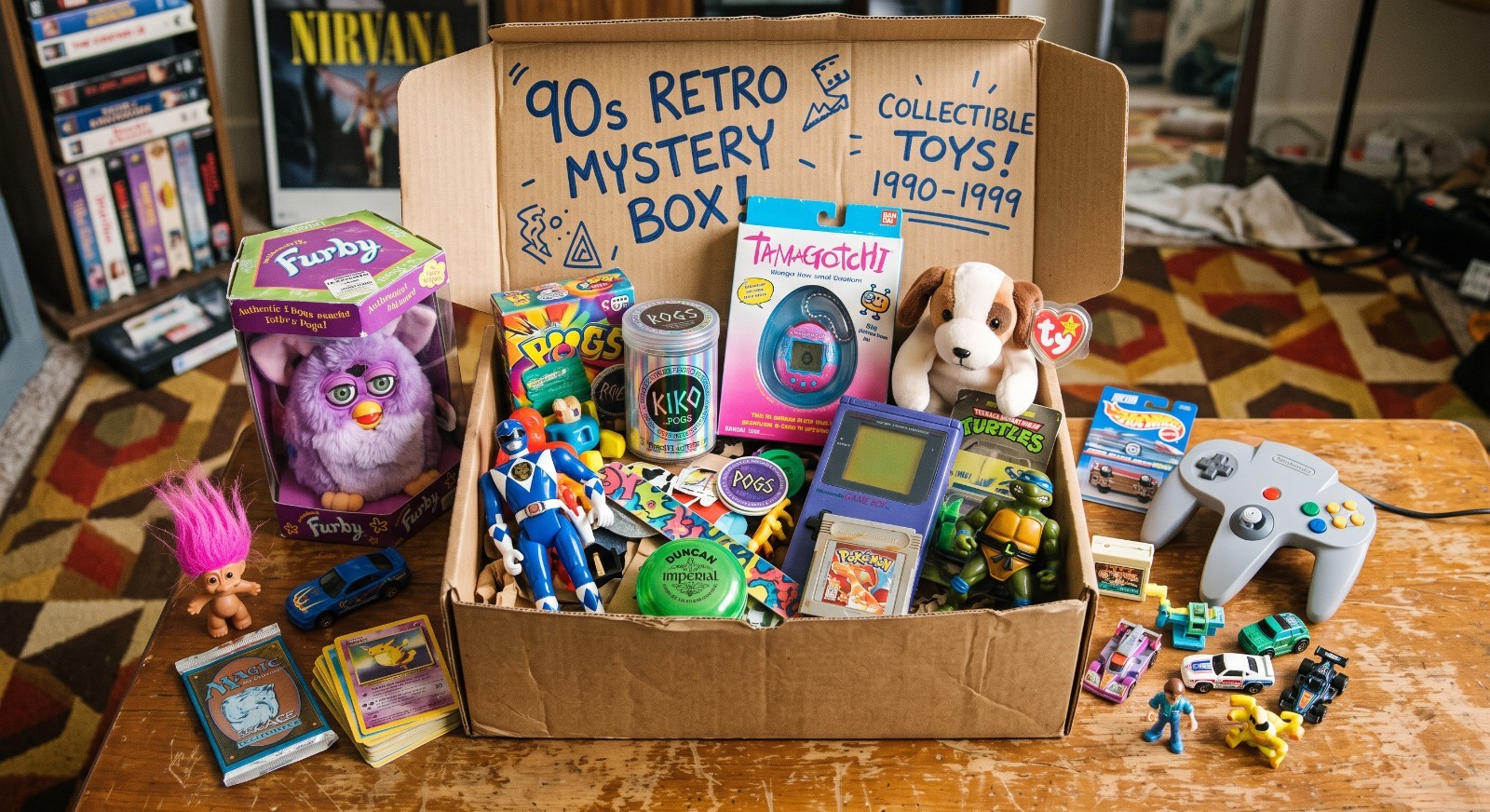

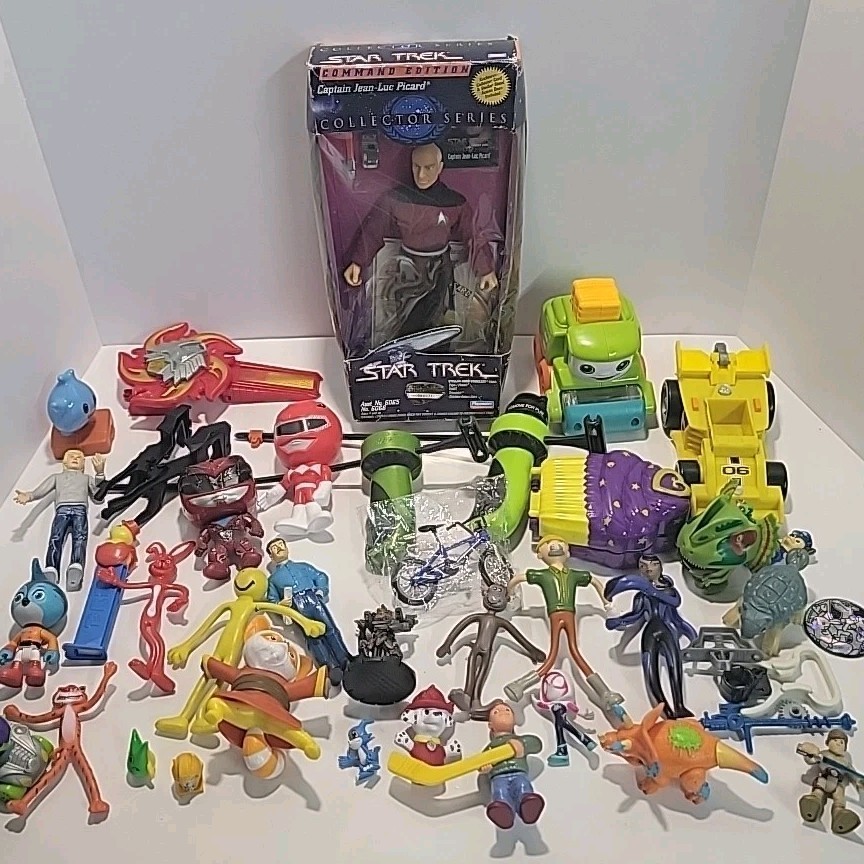


eBay links are affiliate links: JunkPal may earn a commission at no cost to you.
Resale values related to packaging pull
Shop packaging pull on eBay ↗![Franny Funko As Azula [GITD] #SE (Freddy Funko)](https://storage.googleapis.com/images.pricecharting.com/sbtbm36tc3awdk6b/240.jpg)

![Freddy Funko As Michael Myers [Blacklight] #SE (Freddy Funko)](https://storage.googleapis.com/images.pricecharting.com/bxsn4yq4ujnkegsp/240.jpg)


JunkPal may earn a commission when you buy through eBay links, at no extra cost to you.
What’s worth the most
Ranked on medians of real closed eBay sales, not asking prices.