What does “packaging flaw” mean?
What it means
Packaging flaw denotes any deviation from the factory-intended, perfect state of the product's exterior presentation. This encompasses the box, blister card, plastic clamshell, or any included protective wrapping. Acceptable flaws are minor cosmetic wear—slight scuffs, edge nicks, or minor shelf wear. Significant flaws involve structural damage: large creases affecting the box integrity, tears compromising the seal, significant fading, or missing original components (e.g., instruction manuals, plastic trays). The condition of the packaging is treated as a separate grading metric, often alongside the toy itself. A "Mint" grade requires near-perfect packaging; any deviation moves the item into a lower, more discounted tier.
What it does to price
Flaws directly correlate with grade reduction, which translates to immediate price depreciation. A Near Mint (NM) item with a minor edge ding might sell for 85-95% of a perfect copy. A heavily creased or torn box, however, can drop the value by 40-60% or more, even if the toy inside is flawless. Conversely, packaging flaws that are *not* present—i.e., a perfect box—can elevate a loose toy's value by 1.5x to 3x, depending on the rarity of the item. For example, a loose, common action figure might sell for $15, but the same figure sealed in a flawless box could command $40-$50.
How to spot it
Inspection requires close examination of all surfaces. Look for stress points around corners and seams; these reveal impact damage. Check print quality on the box art for fading or bubbling, which indicates poor storage or age. Sellers must provide high-resolution, well-lit photos of the entire packaging, including the top, bottom, and all visible edges. Common honest mistakes include minor corner dings from shipping. Fakes sometimes feature poor print registration or incorrect UPC placement, which are packaging flaws in themselves. Buyers should specifically request photos of any stated flaw before committing funds.
Buying smart
Paying a premium for packaging is only justified when the item is rare, highly sought after, or part of a complete, high-value set. For common or mid-tier collectibles, the price premium for perfect packaging rarely outweighs the risk of minor flaws. A fair deal involves a price that reflects the *worst* visible flaw, not the best possible scenario. If a seller claims "Mint" but the photos show a noticeable crease, the buyer should negotiate the price down to match the NM or VG condition level.
Selling smart
Transparency regarding packaging flaws maximizes realized sale price. Listing an item as "Mint" when it has a visible tear is grounds for buyer disputes and returns. Instead, use precise grading language: "Near Mint with minor shelf wear" or "Very Good condition, box corner dented." Including a dedicated, close-up photo that clearly isolates the flaw—perhaps with a scale reference—allows the buyer to self-grade the damage. This honesty prevents haggling over subjective condition and allows the seller to anchor the price accurately to the item's actual market tier.
On eBay right now
Current asking prices from live listings — not sold-comp medians.

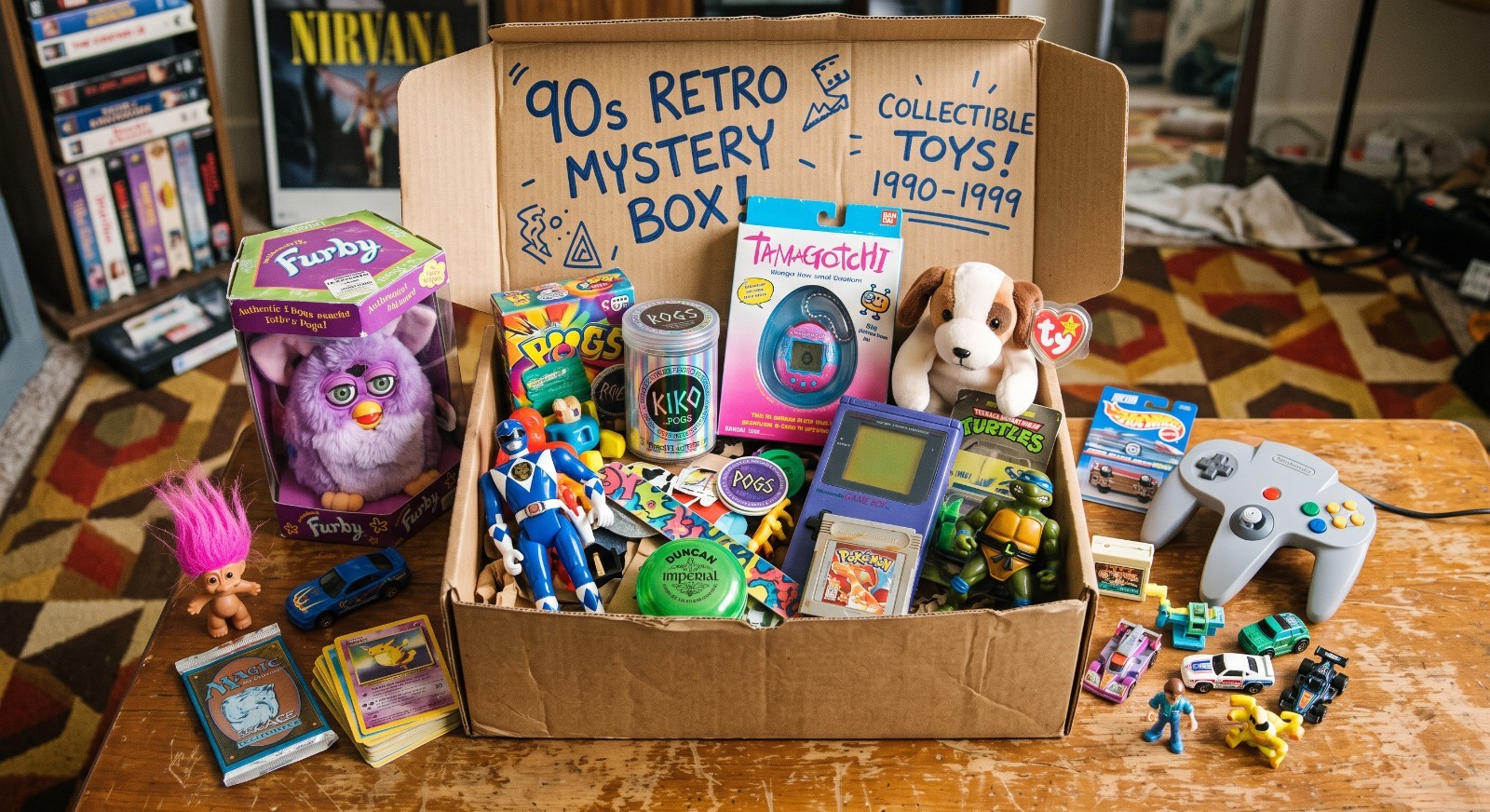

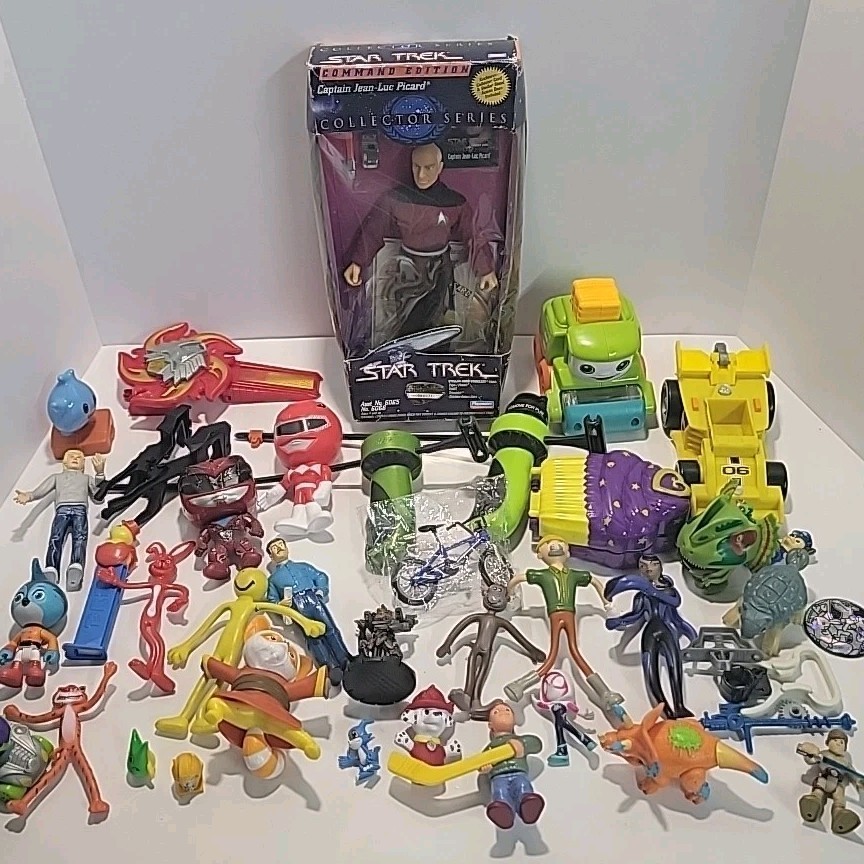
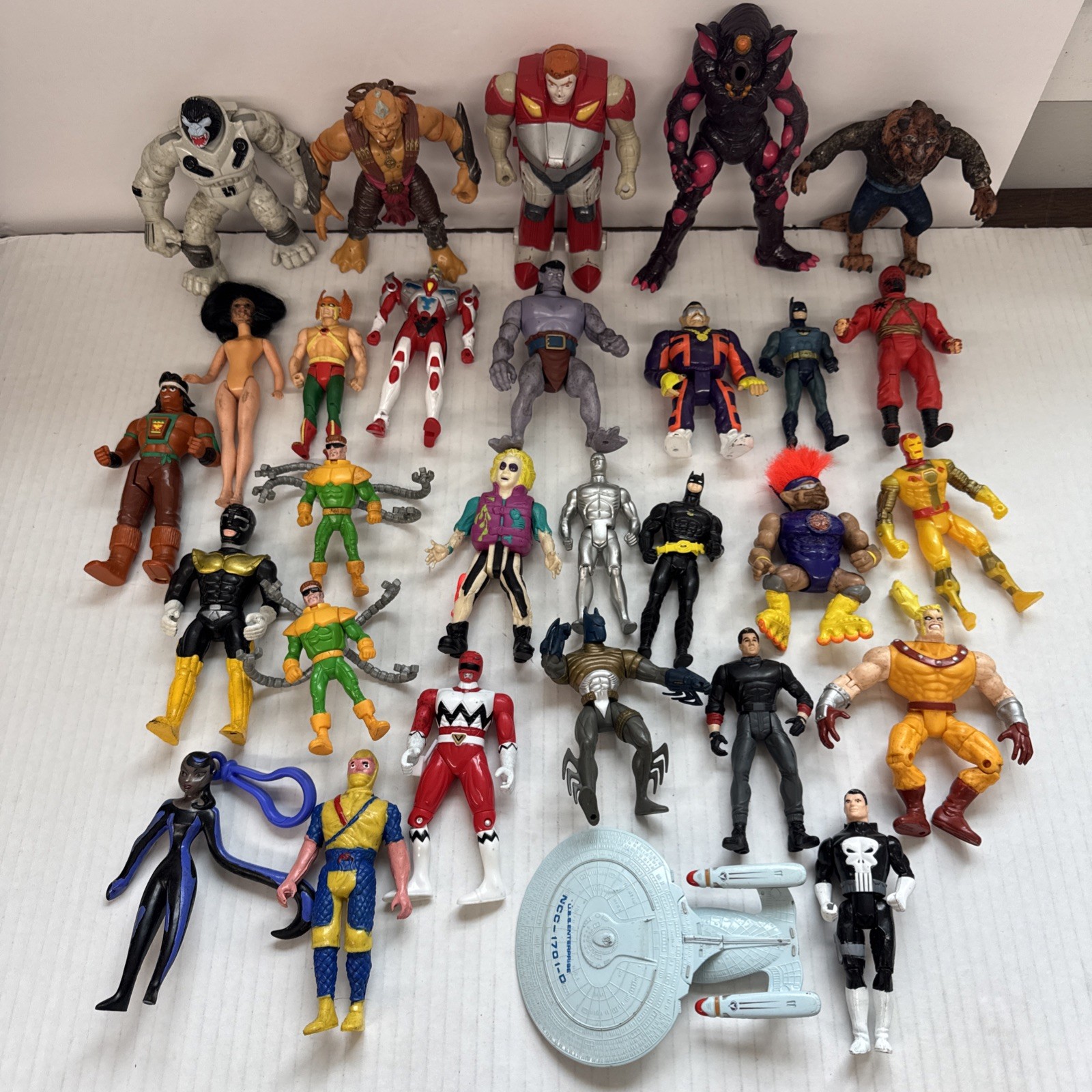
eBay links are affiliate links: JunkPal may earn a commission at no cost to you.
Resale values related to packaging flaw
Shop packaging flaw on eBay ↗

![Freddy Funko As Shipwreck [GITD] #SE (Freddy Funko)](https://storage.googleapis.com/images.pricecharting.com/djflr6rhgusz3nxw/240.jpg)

![The Wolf Man [Summer Convention Flocked] #114 (Movies)](https://storage.googleapis.com/images.pricecharting.com/a3b2a7scqharvs77/240.jpg)
![Sorcerer Mickey & Chernabog [SDCC] (Disney)](https://storage.googleapis.com/images.pricecharting.com/ncrhkjmw5jywsizm/240.jpg)

![Reverse Flash [GITD] #39 (Heroes)](https://storage.googleapis.com/images.pricecharting.com/ehednla3eklswjht/240.jpg)
JunkPal may earn a commission when you buy through eBay links, at no extra cost to you.
What’s worth the most
Ranked on medians of real closed eBay sales, not asking prices.