What does “original mold” mean?
What it means
"Original mold" refers to the first production tooling used by a manufacturer to create a specific toy part, character sculpt, or accessory. When a toy line evolves, manufacturers often revise or replace these molds—a process called tooling revision. A toy made from the original mold represents the initial design iteration before subsequent refinements, fixes, or cost-cutting measures were implemented. This is distinct from simply being the first *release* of a toy; it specifically refers to the physical tooling used in the factory. For a reseller, this signifies the earliest physical version of a specific iteration.
What it does to price
The presence of an original mold acts as a significant value multiplier, often pushing prices into the premium tier. For highly sought-after, vintage lines, an item confirmed as original mold can command a 2x to 5x premium over a later, revised version in similar condition. If a standard, later-run figure sells for \$50 loose, the original mold variant could easily fetch \$100 to \$250, depending on scarcity. Factors that push the price higher include early production runs, limited initial distribution, and known flaws corrected in later molds.
How to spot it
Identifying an original mold requires close inspection of physical details. Look for subtle differences in the sculpt's geometry, the texture of the plastic (often smoother or rougher than later runs), or specific paint application patterns that change between tooling revisions. Sellers must provide high-resolution photos focusing on these areas. Common mistakes include confusing a "first wave" release with the actual original mold, as minor packaging changes do not always equate to tooling changes. Comparing the item against known reference photos of later versions is the most reliable method.
Buying smart
Paying a premium for an original mold is justified when the piece is historically significant, extremely rare, or when the specific mold variation is known to be superior (e.g., better articulation or cleaner sculpt). If the difference between the original and a later mold is negligible—perhaps only a minor paint decal change—the premium may not be worth the cost. A fair deal involves the seller providing verifiable proof of the mold status, with the asking price reflecting the documented scarcity of that specific tooling version.
Selling smart
Listing an item with confirmed original mold status immediately elevates its perceived value. The single most effective action is including a detailed photo comparison or a specific written declaration in the listing title and description, such as "Original Tooling Variant." This moves the item from a general collectible to a specific, desirable artifact. Documenting this detail allows the seller to command the top-tier pricing bracket reserved for foundational pieces within the line.
On eBay right now
Current asking prices from live listings — not sold-comp medians.

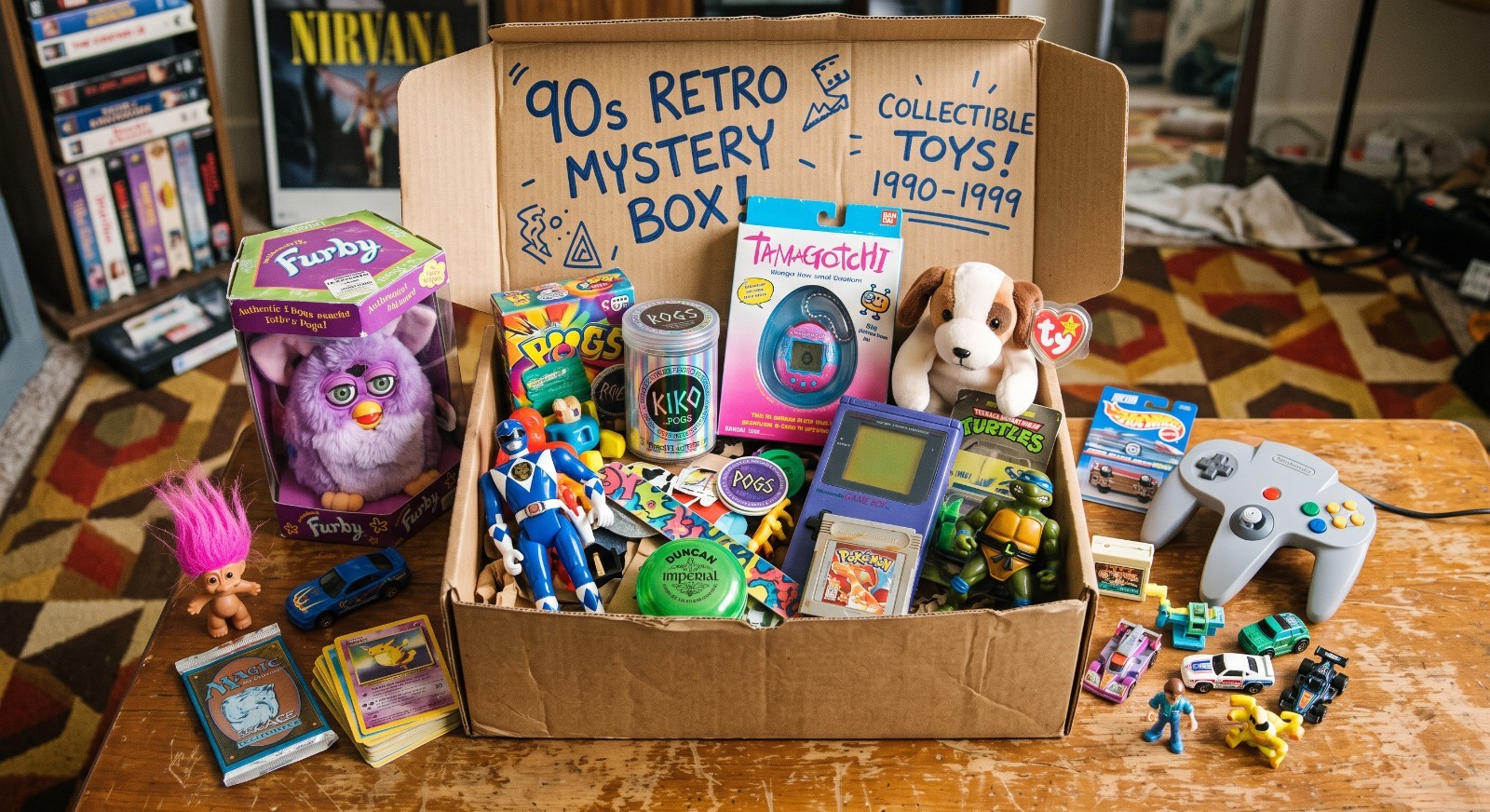

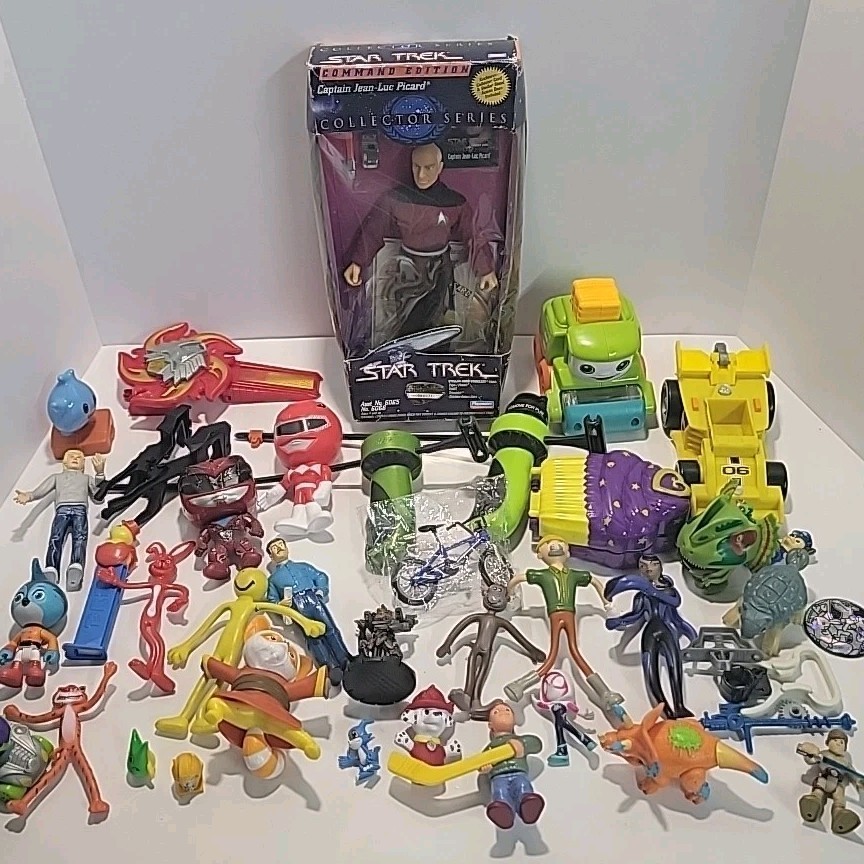


eBay links are affiliate links: JunkPal may earn a commission at no cost to you.
Resale values related to original mold
Shop original mold on eBay ↗
![Hal Jordan [Metallic] #11 (Heroes)](https://storage.googleapis.com/images.pricecharting.com/hm4emmbdbgonp2ep/240.jpg)
![Hawkman [Metallic] #17 (Heroes)](https://storage.googleapis.com/images.pricecharting.com/ye34olsq2kzpoxgt/240.jpg)
![Green Goblin [GITD] #109 (Marvel)](https://storage.googleapis.com/images.pricecharting.com/izbwrg7mqo2h5tqb/240.jpg)
![Freddy Funko As Captain America [250] #SE (Freddy Funko)](https://storage.googleapis.com/images.pricecharting.com/wnkm4m7twu3vzr5r/240.jpg)
![Freddy Funko As Optimus Prime [Blacklight] #SE (Freddy Funko)](https://storage.googleapis.com/images.pricecharting.com/hebs5on3xftczlso/240.jpg)
![Luffy With Thousand Sunny [CCXP22] #114 (Rides)](https://storage.googleapis.com/images.pricecharting.com/guw55tfqc4sv63om/240.jpg)
JunkPal may earn a commission when you buy through eBay links, at no extra cost to you.
What’s worth the most
Ranked on medians of real closed eBay sales, not asking prices.