What does “o.g.” mean?
What it means
"O.G." stands for "Original." In toy collecting, it denotes the very first production run of a specific item, or the authentic, factory-issued version from the initial release date. This distinguishes it from subsequent reissues, later variants, or unauthorized reproductions (knock-offs). The mainstream equivalent is "first-run" or "mint-in-box (MIB) original." The status confirms the item’s provenance—it is the genuine article from the primary manufacturing cycle.
What it does to price
The "O.G." designation is a primary value driver. An original, complete-in-box (CIB) item typically fetches 2x to 5x the price of a loose, unverified reissue. Minor production differences—such as early tooling marks or specific paint applications present only in the first batch—can push the value higher, sometimes adding 30-50% to the baseline O.G. price. Conversely, if an item is confirmed to be an O.G. but shows significant, non-factory restoration (e.g., repainted joints), the premium can drop by 40%. For example, an O.G. action figure in perfect condition might sell for $300, while a comparable item confirmed to be a later reissue might sell for $80.
How to spot it
Verification requires detailed inspection. Look for specific manufacturing details: early mold lines, unique plastic coloration, or specific copyright dates printed on the packaging or item itself. Collectors often seek specific production codes or serial numbers that correspond only to the initial release window. Sellers must provide high-resolution photos of these identifying marks, not just general shots. Common issues include "bootlegs" (cheap, unauthorized copies) and "re-releases" (official toys made years later using updated molds). A key tell is often the packaging print quality; early runs sometimes have slightly less crisp printing than later batches.
Buying smart
Paying a significant premium for an O.G. item is justified when the item is highly sought after, scarce, and documented. This premium is worthwhile for cornerstone pieces of a collection where authenticity is the primary goal. It is not worth the premium for common, easily replicated items unless the specific variance is known to be extremely rare. A fair deal means the seller can provide verifiable evidence (photos, paperwork, or provenance history) supporting the "O.G." claim, and the price reflects the scarcity, not just the general desirability.
Selling smart
Proving the "O.G." status transforms a listing from a general sale to a specialized, high-value transaction. Listing the item as "Original First Run" rather than just "Vintage" immediately targets serious collectors willing to pay the premium. The single most effective element in a listing is a clear, close-up photo of the specific identifying marker (e.g., a unique sticker, a specific mold stamp, or the earliest known copyright year). This photo validates the claim and justifies the higher asking price.
On eBay right now
Current asking prices from live listings — not sold-comp medians.

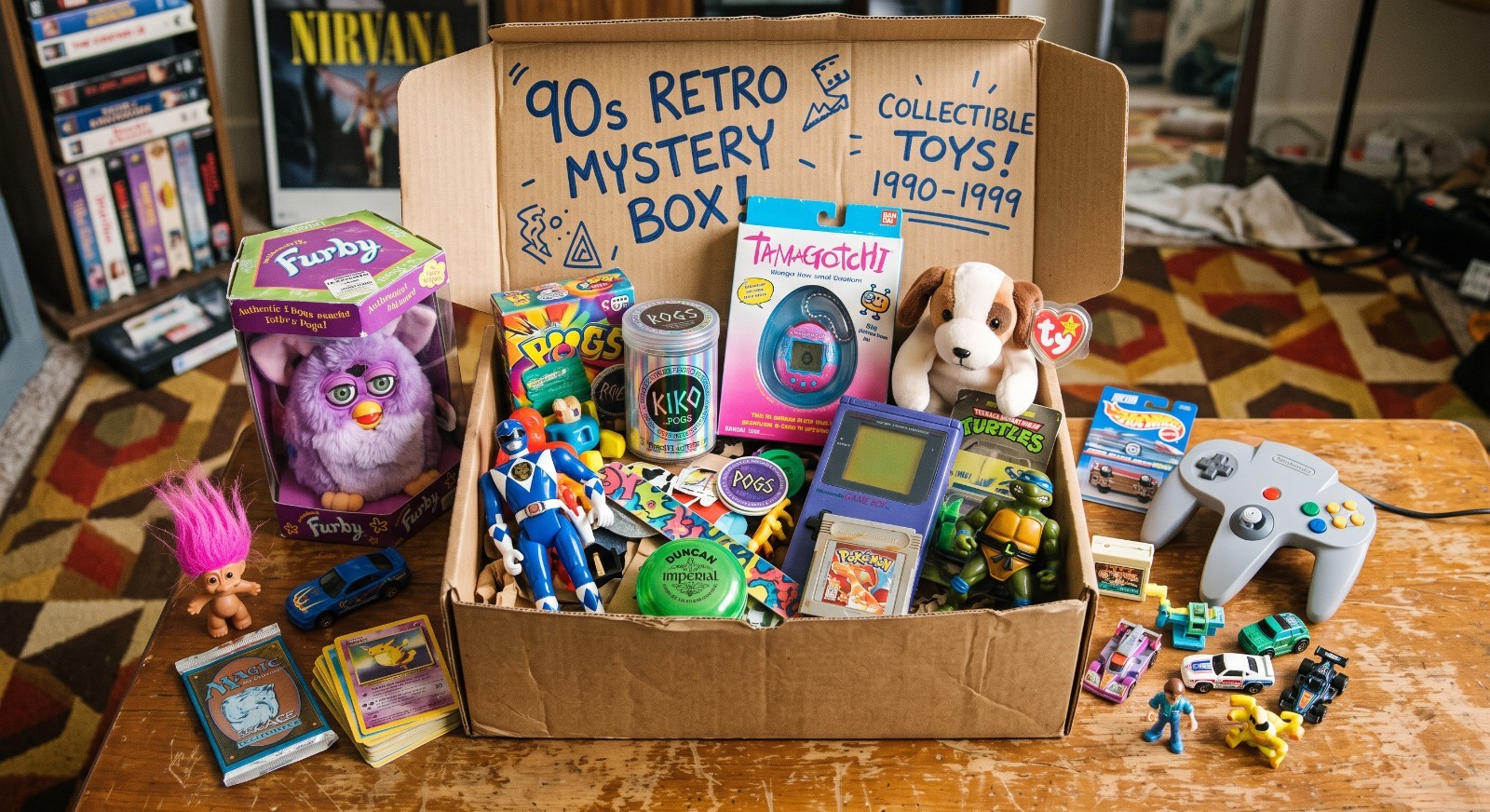

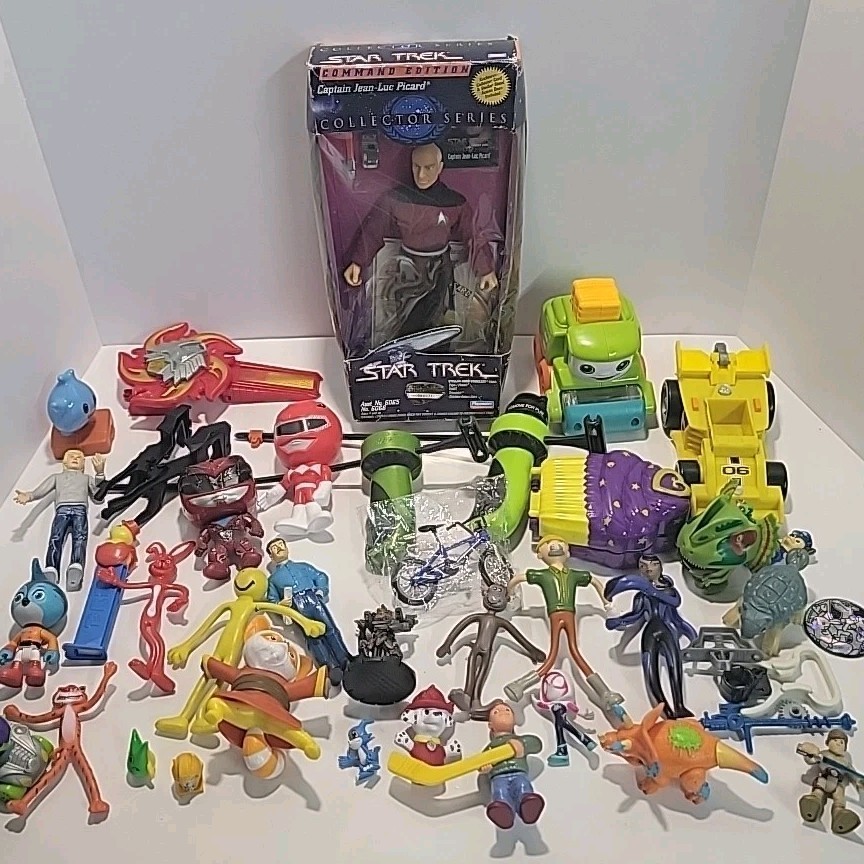


eBay links are affiliate links: JunkPal may earn a commission at no cost to you.
Resale values related to o.g.
Shop o.g. on eBay ↗![Freddy Funko As C-3PO [Trademark] #SE (Freddy Funko)](https://storage.googleapis.com/images.pricecharting.com/qlry66j4uxzxfhwz/240.jpg)

![Freddy Funko As Wolverine [Brown] #SE (Freddy Funko)](https://storage.googleapis.com/images.pricecharting.com/mvjddi3xbccrcu7b/240.jpg)
![Jason Voorhees [Summer Convention] #202 (Movies)](https://storage.googleapis.com/images.pricecharting.com/kebpbmethdc5wdfo/240.jpg)
![Leonardo [Metallic] #63 (Television)](https://storage.googleapis.com/images.pricecharting.com/engq25tlanmfunih/240.jpg)
![Freddy Funko Hulk Hogan [Injured] #34 (Freddy Funko)](https://storage.googleapis.com/images.pricecharting.com/wzgbacq4cfhjjho3/240.jpg)
![Cheerleader Deadpool [Pink] #325 (Marvel)](https://storage.googleapis.com/images.pricecharting.com/l5fic7gssy3xfub6/240.jpg)
JunkPal may earn a commission when you buy through eBay links, at no extra cost to you.
What’s worth the most
Ranked on medians of real closed eBay sales, not asking prices.