What does “near mint on card graded” mean?
What it means
"Near Mint on Card Graded" (NM/C Graded) means a toy is professionally graded while still sealed in its original packaging (the "card"). The grade reflects the condition of the toy itself, the integrity of the packaging, and the card's surface quality. This is not merely "looks new"; it is an authenticated assessment by a third-party grading service (e.g., AFA, CGC). The grade itself (e.g., 9.0 to 10.0) is the primary identifier. For resellers, this translates to guaranteed condition and provenance, eliminating subjective grading disputes common with loose items. The mainstream equivalent is a professionally certified, high-grade sealed collectible.
What it does to price
Grading introduces a significant, quantifiable premium. A high-grade, graded item typically fetches 1.8x to 4x the price of a comparable loose or ungraded item, depending on rarity and market demand. The specific grade is the multiplier; a 9.8 commands substantially more than a 9.0. Factors that push the price up include a perfect grade (10.0) and a recognized, reputable grading company. Factors that pull it down include visible corner dings on the card, minor seam stress on the packaging, or a lower grade (under 8.5). For example, a common action figure graded 9.0 might sell for $150, whereas the same item graded 10.0 could easily sell for $350.
How to spot it
The tell is the tamper-evident case applied by the grading company. This case has unique serial numbers and holograms. Sellers must provide high-resolution photos of the certification label and the case seal. Common issues include "grade inflation" (where sellers misrepresent the grade) or "case damage" (where the case itself is scuffed, even if the toy inside is perfect). A common mistake is confusing "Near Mint" (a subjective descriptor) with the actual numerical grade (e.g., 9.5). Always verify the grading company's official website to confirm the serial number's legitimacy.
Buying smart
Paying the premium is justified when the item is extremely rare, highly sought after, or when the item is essential for a high-end collection display. If the item is common or easily sourced, the premium often outweighs the risk of buying loose and grading it oneself. A fair deal requires the asking price to be within 10-15% of established market comparables for that specific grade. If the seller cannot provide clear, high-resolution photos of the certification label, the item should be treated as ungraded until verification is complete.
Selling smart
To maximize return, the listing must explicitly state the grade and the grading company. Do not just state "NM/C." Use the full designation: "Graded 9.8 by AFA." The single most valuable asset in the listing is a clear, focused photo of the certification label and the case seal. This proves authenticity immediately. Listing the grade upfront allows buyers to filter searches and justifies the higher price point, moving the item from a general collectible to a certified asset.
On eBay right now
Current asking prices from live listings — not sold-comp medians.


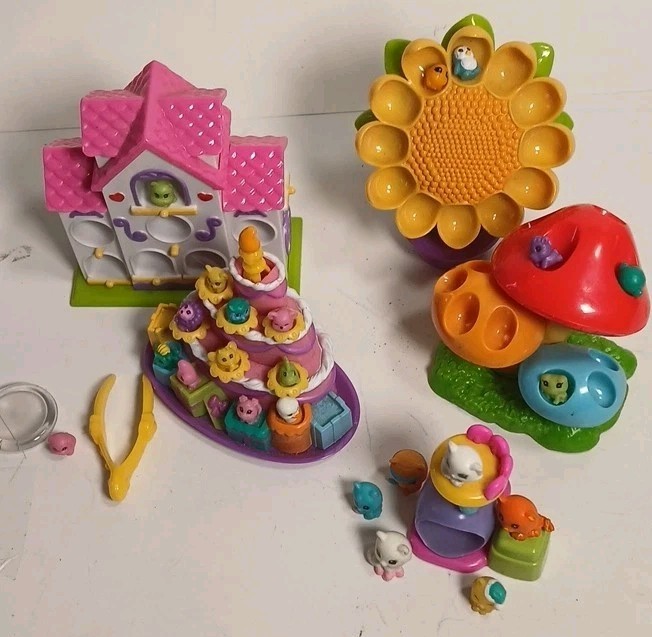

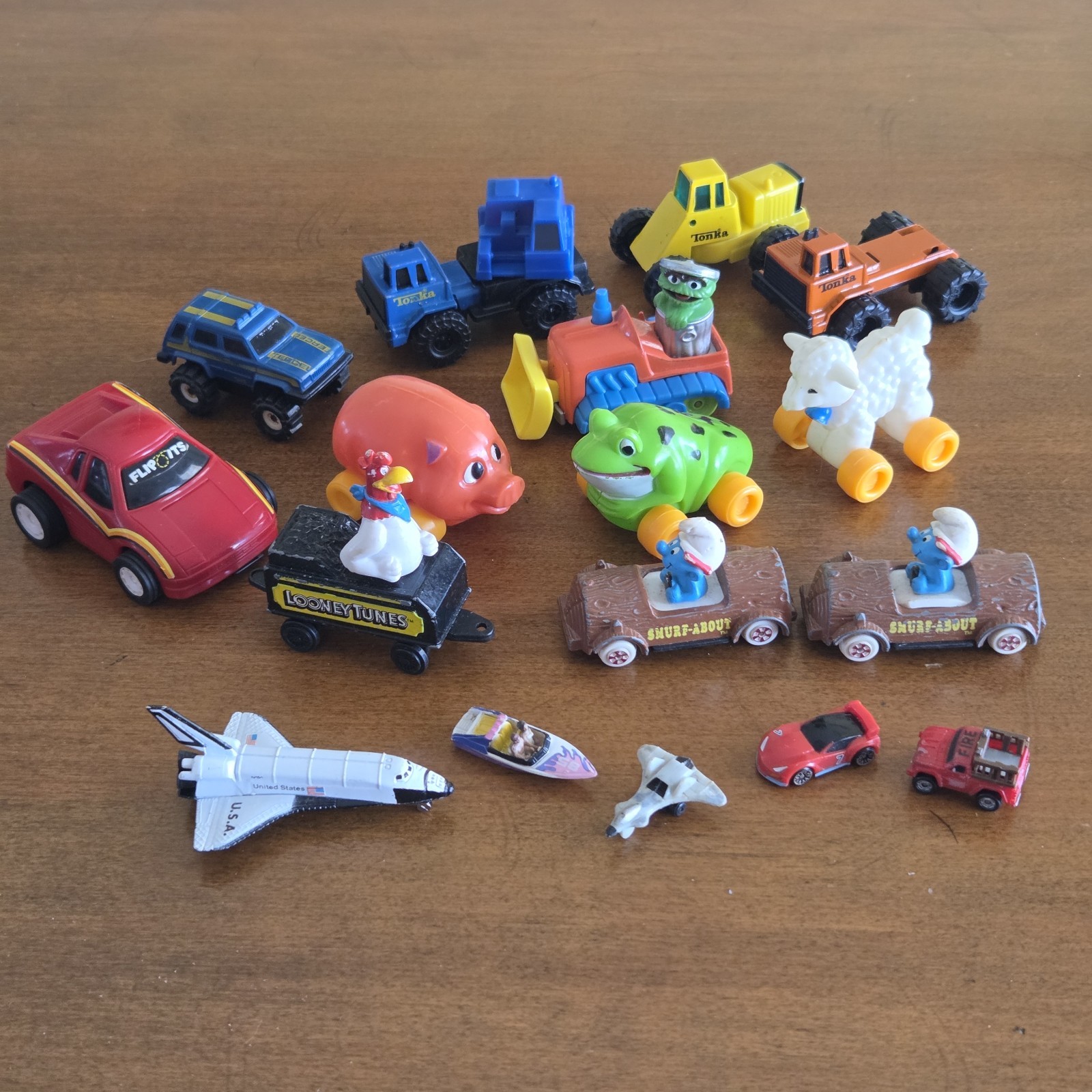
eBay links are affiliate links: JunkPal may earn a commission at no cost to you.
Resale values related to near mint on card graded
Shop near mint on card graded on eBay ↗![Freddy Funko Beetlejuice [GITD] #16 (Freddy Funko)](https://storage.googleapis.com/images.pricecharting.com/ww2oi4k4t63cal2j/240.jpg)
![Donatello [Metallic] #60 (Television)](https://storage.googleapis.com/images.pricecharting.com/5ehv2wdgm3mkkfb6/240.jpg)

![Freddy Funko As Optimus Prime [Metallic] #SE (Freddy Funko)](https://storage.googleapis.com/images.pricecharting.com/7nkbfbjrdovbgf6p/240.jpg)


![Bruce Lee Kicking [San Fransisco Giants - Orange] #592 (Movies)](https://storage.googleapis.com/images.pricecharting.com/tloc5jtmmdjh5x25/240.jpg)
JunkPal may earn a commission when you buy through eBay links, at no extra cost to you.
What’s worth the most
Ranked on medians of real closed eBay sales, not asking prices.