What does “near mint on card chase” mean?
What it means
"Near mint on card chase" describes a collectible toy that meets two strict criteria: it is in near mint condition, and it is still sealed or attached to its original packaging ("on card"). The "chase" designation is the key qualifier, meaning the specific item is a rare, limited-edition, or highly sought-after variant within its toy line. This is not a standard release; it is a premium variant. The condition standard, near mint, means the packaging shows minimal wear—no creases, fading, or significant scuffs—and the toy inside is pristine. For the mainstream collector, this is equivalent to finding a highly desirable, factory-sealed, high-grade collectible.
What it does to price
The "on card" status acts as a significant premium multiplier, typically adding 1.5x to 3x the value of the same item sold loose (out of the package). The "chase" element drives the base price exponentially higher than common variants. Factors pushing the price up include verifiable scarcity (low production numbers) and high demand from specific collecting communities. Factors pulling the price down include visible shelf wear on the packaging or if the "near mint" condition is debatable upon close inspection. For example, a standard variant might sell for \$50 loose; the near mint on card chase version could easily command \$150 to \$250.
How to spot it
Identifying this item requires scrutiny of the packaging itself. Look for specific edition markers, holographic stickers, or unique color variations printed on the card or blister pack that denote the "chase" status. Sellers must provide high-resolution photos of the card's edges, corners, and any identifying print details. Common pitfalls include "shelf wear" (minor scuffs from being displayed) which disqualifies it from top-tier pricing, or counterfeit packaging designed to mimic rare releases. If the item is purported to be a limited edition, cross-reference known production runs or official collector guides.
Buying smart
Paying a premium for this item is justified when the item is verifiably rare and the packaging integrity is absolute. If the item is only slightly rarer than other available variants, the premium over a loose copy may not be worth the cost. A fair deal involves the asking price being within 10-20% of the established market average for confirmed, graded examples of that specific chase item. If the seller cannot provide clear, high-angle photos confirming the packaging condition, the risk is too high to pay top dollar.
Selling smart
Listing this item requires framing the description around its dual value: rarity and preservation. The term "Near Mint On Card Chase" must be used precisely. The single most valuable element in a listing is a photo showing the entire packaging from the top, clearly displaying the front art and any edition markings, alongside a close-up of the corners to prove minimal wear. This visual proof justifies the highest tier of pricing and filters out buyers unwilling to pay for top-grade condition.
On eBay right now
Current asking prices from live listings — not sold-comp medians.

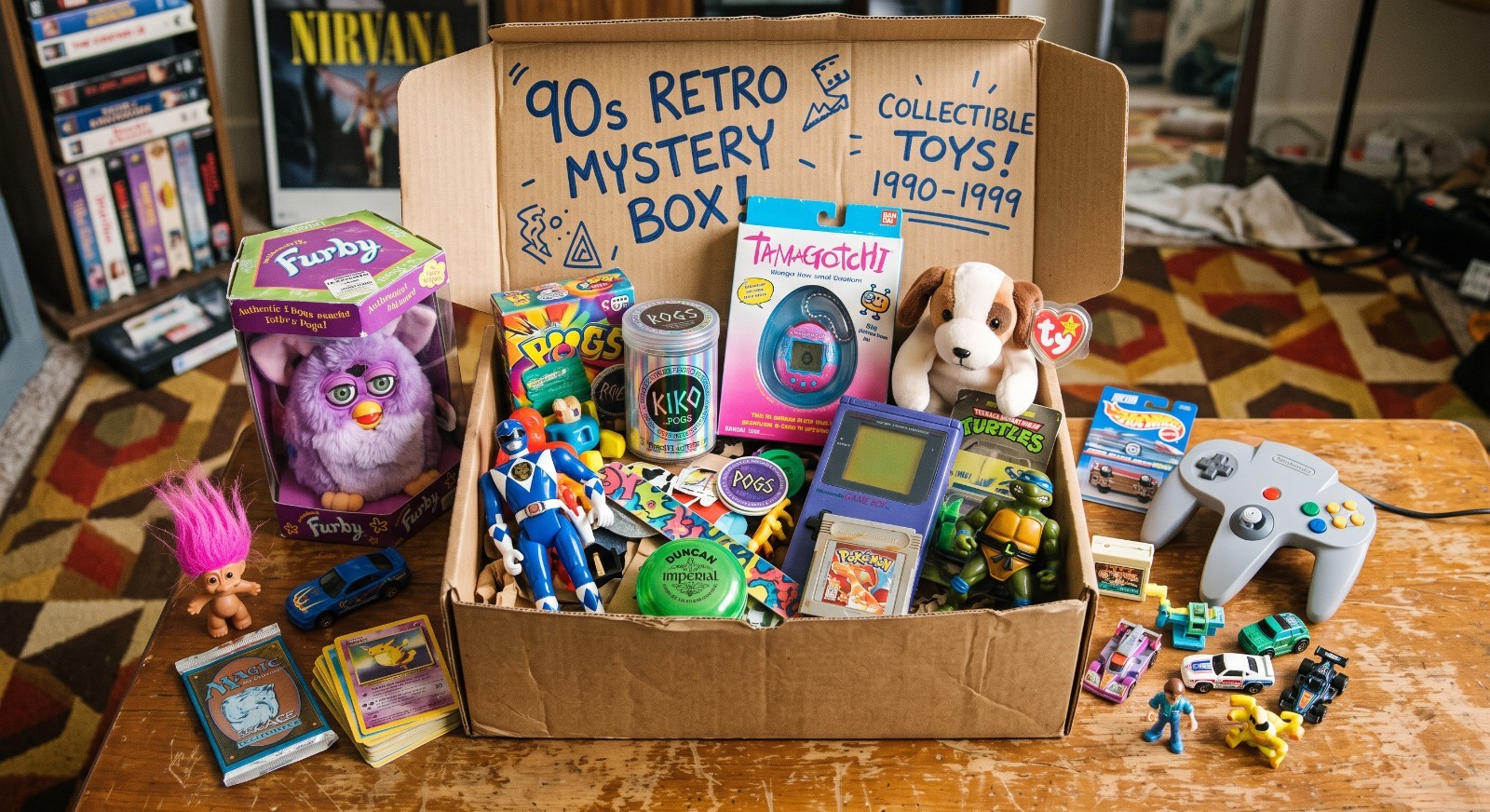

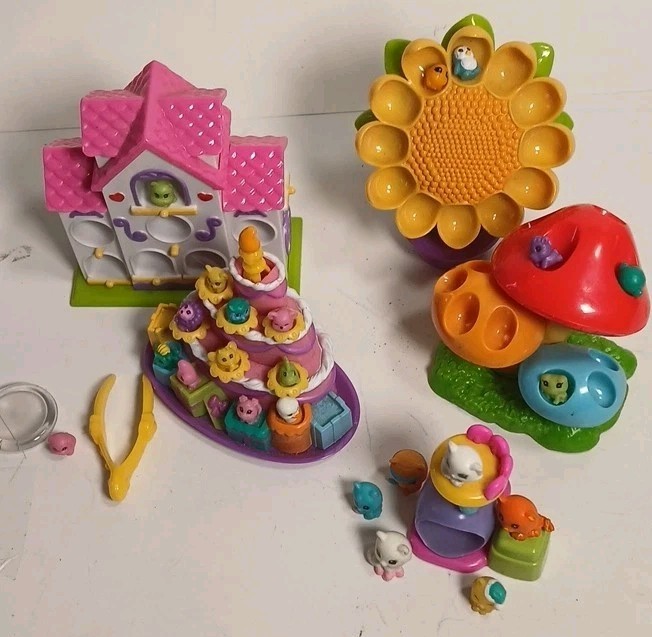

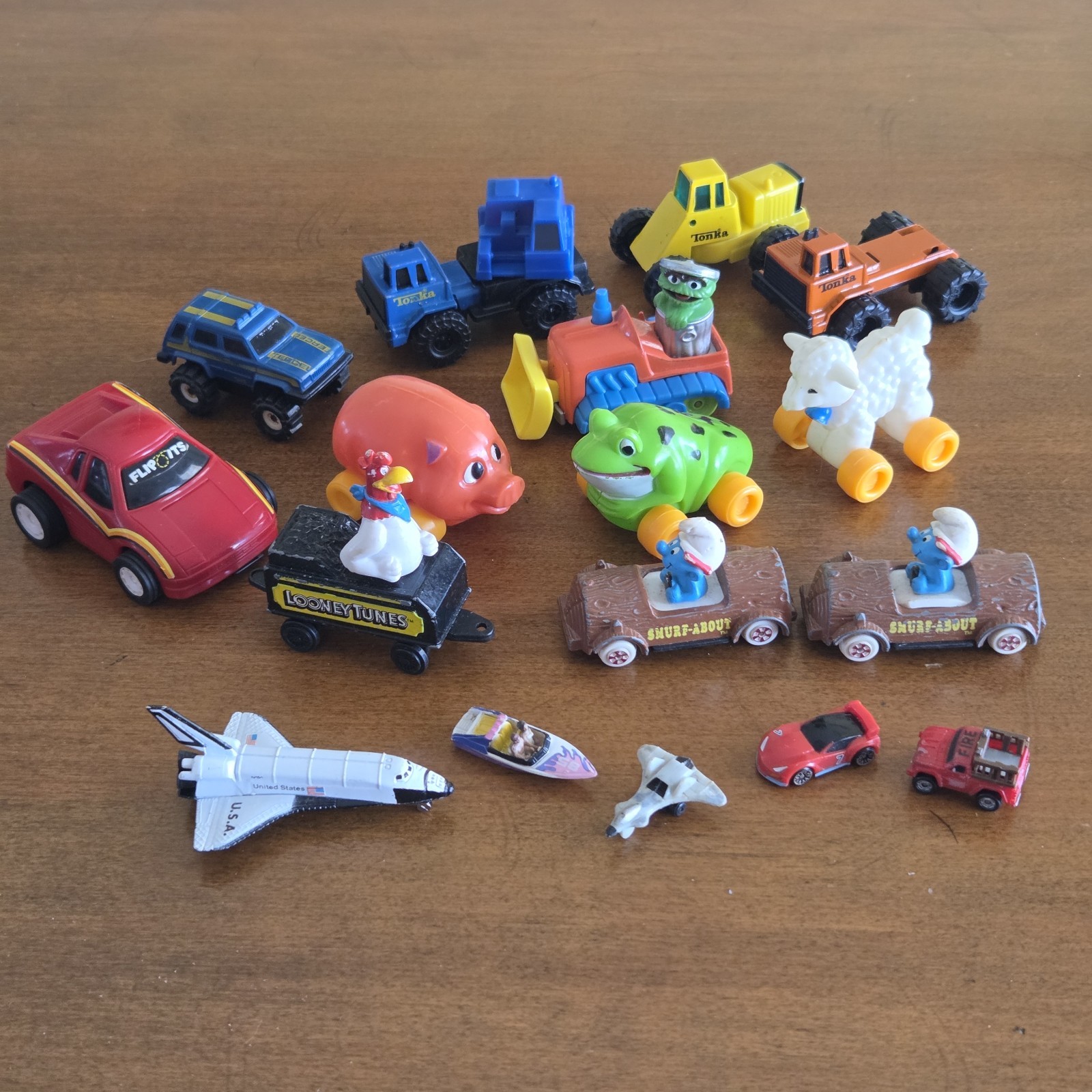
eBay links are affiliate links: JunkPal may earn a commission at no cost to you.
Resale values related to near mint on card chase
Shop near mint on card chase on eBay ↗
![Boba Fett Droids [SDCC] #32 (Star Wars)](https://storage.googleapis.com/images.pricecharting.com/uezfpjpfhprk4g54/240.jpg)
![Freddy Funko Twisty [Bloody] #42 (Freddy Funko)](https://storage.googleapis.com/images.pricecharting.com/hyv7d5wuwybj77a3/240.jpg)
![Winnie The Pooh [Flocked] #32 (Disney)](https://storage.googleapis.com/images.pricecharting.com/oq4bri67qxzaisio/240.jpg)

![Sally [GITD] #16 (Disney)](https://storage.googleapis.com/images.pricecharting.com/4y4qqh6q5vlqpcwu/240.jpg)

![Freddy Funko Stan Lee [Red] #41 (Freddy Funko)](https://storage.googleapis.com/images.pricecharting.com/h565inyasamdb4pe/240.jpg)
JunkPal may earn a commission when you buy through eBay links, at no extra cost to you.
What’s worth the most
Ranked on medians of real closed eBay sales, not asking prices.