What does “mold variation” mean?
What it means
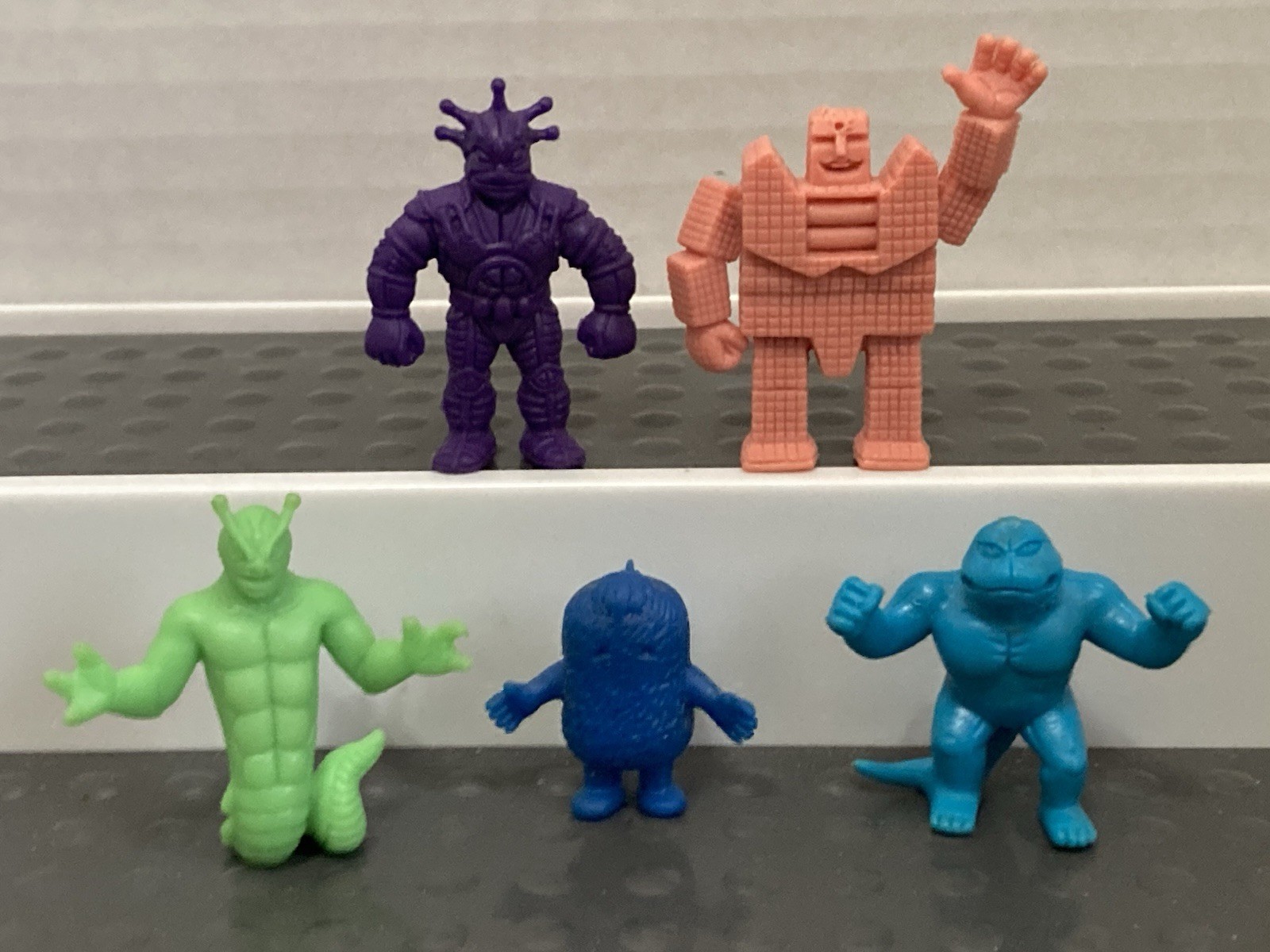
Mold variation is the presence of minor, non-standard deviations in the physical production of a toy. These are not intentional design changes but artifacts of the manufacturing process. Examples include slight inconsistencies in paint registration (where colors don't line up perfectly), visible seam lines from the injection molding process, or minor shifts in plastic hue between different production runs. In the collecting niche, these variations are not defects to be avoided; they are data points. They help identify specific production batches, which can correlate to scarcity, factory tooling changes, or known, documented production errors.
What it does to price
The impact on price is entirely dependent on whether the variation is recognized and desirable. A common, random variation (e.g., a slightly off-center paint smudge) generally has no price impact. However, a *documented* variation—one known to signify a specific, limited run or an early tooling sample—can drastically increase value. A toy exhibiting a sought-after, documented mold variation might fetch 1.8x to 3x the price of a standard, mass-market version of the same item. Conversely, a variation that indicates a known, widespread quality control failure might cause a 10-20% discount. For example, a rare, early-run color shift on a specific action figure might add $30 to a standard $100 loose figure.
How to spot it
Spotting mold variation requires close, high-resolution inspection. Look for specific tells: inconsistent paint thickness, uneven texture on molded plastic surfaces, or subtle differences in the sharpness of molded details (e.g., a slightly softer edge on a logo compared to later batches). Always compare the item against reference photos or known examples from the same production window. Sellers must provide multiple, well-lit photos, including extreme close-ups of seams, paint edges, and any visible markings or batch codes. Distinguish between an honest, undocumented manufacturing flaw and a deliberate, sought-after variant.
Buying smart
Paying a premium for a mold variation is only justified when the variation is historically significant or tied to verified scarcity. If the variation is simply a random flaw without documented provenance, the premium is unjustified. A fair deal involves the seller clearly identifying the variation and providing verifiable evidence (e.g., photos matching known variant guides). If the variation is minor and undocumented, treat it as a standard piece. If the variation is a known, high-demand variant, the premium should align with established collector pricing for that specific batch.
Selling smart
Proving the existence and nature of a mold variation elevates the listing from a general sale to a specialized item sale. Buyers pay a premium for certainty and provenance. The single most effective element in a listing is a high-resolution, macro photograph explicitly highlighting the variation in question—with a caption detailing *what* the variation is (e.g., "Early Run Seam Detail"). Use specific terminology in the description. Do not just say "variation"; state "Known Batch 12 Tooling Variation." This specificity justifies the higher asking price immediately.
On eBay right now
Current asking prices from live listings — not sold-comp medians.


eBay links are affiliate links: JunkPal may earn a commission at no cost to you.
Resale values related to mold variation
Shop mold variation on eBay ↗![Jack-Jack [Giants] #367 (Disney)](https://storage.googleapis.com/images.pricecharting.com/ivj2rja6agsqr4ap/240.jpg)

![Oogie Boogie [GITD] #39 (Disney)](https://storage.googleapis.com/images.pricecharting.com/t63evsbj3mrr2hme/240.jpg)

![Sulley [Flocked] #4 (Disney)](https://storage.googleapis.com/images.pricecharting.com/ad2u4mebvww5cvze/240.jpg)
![Mumm-Ra [GITD] #105 (Television)](https://storage.googleapis.com/images.pricecharting.com/gliojvm6ipapvj6r/240.jpg)
![Charizard [Metallic] #843 (Games)](https://storage.googleapis.com/images.pricecharting.com/iqzkm72uainftjs5/240.jpg)
JunkPal may earn a commission when you buy through eBay links, at no extra cost to you.
What’s worth the most
Ranked on medians of real closed eBay sales, not asking prices.