What does “mold quality” mean?
What it means
Mold quality refers to the precision and fidelity of the original tooling used in the toy's production. In the collecting niche, this is a direct measure of manufacturing quality. High mold quality means the original design translated perfectly into plastic; details are crisp, edges are sharp, and seams are minimal or perfectly hidden. Low mold quality results in soft, blobby details, visible injection lines, or inaccurate sculpts. This is the physical manifestation of the original design intent. It is not related to paint application quality, though poor molding often complicates paint application.
What it does to price
Mold quality acts as a primary determinant of grade, directly impacting market value. A toy exhibiting exceptional, near-perfect mold quality can command a premium of 1.5x to 3x over a comparable piece with mediocre molding, assuming all other factors (condition, rarity) are equal. Conversely, a toy with obvious molding flaws—such as severe sink marks or distorted joints—can see its value drop by 30% or more compared to a high-grade example. For instance, a highly sought-after figure with sharp, clean articulation points might sell for $150, while the same figure with visibly mushy joints might settle around $100.
How to spot it
Assessment requires close examination. Look specifically at areas of high complexity: facial sculpts, small accessory details (like insignia or buckles), and joint interfaces. High quality shows consistent line weight across these areas. Low quality shows detail bleeding or rounding. Sellers must provide high-resolution, well-lit macro photography of these specific areas. Common issues include "mold flash" (excess plastic around seams) or "parting line artifacts," which are visible seams where two mold halves met. Fakes often exhibit slightly softer lines than the authentic, high-quality tooling.
Buying smart
Paying a premium for superior mold quality is warranted when the toy is a centerpiece item or a highly sought-after variant where detail fidelity is part of the collectible appeal. If the toy is a common, low-value piece, the premium for perfect molding is rarely justified. A fair deal is when the premium paid for the superior molding is proportional to the difference in market value between the high-grade and low-grade examples, typically not exceeding 25% of the difference. If the seller claims "mint mold quality" but the photos show visible seam lines, the premium is inflated.
Selling smart
Documenting mold quality in a listing immediately establishes the item's tier. Explicitly stating "Excellent Mold Fidelity" or "Sharp Tooling" attracts serious, high-end buyers willing to pay more. The single most effective proof point is a close-up, focused photograph of the most intricate part of the toy—often a character's face or a complex weapon accessory. This photo allows the buyer to verify the sharpness of the tooling before committing funds, justifying a higher asking price and reducing negotiation time.
On eBay right now
Current asking prices from live listings — not sold-comp medians.
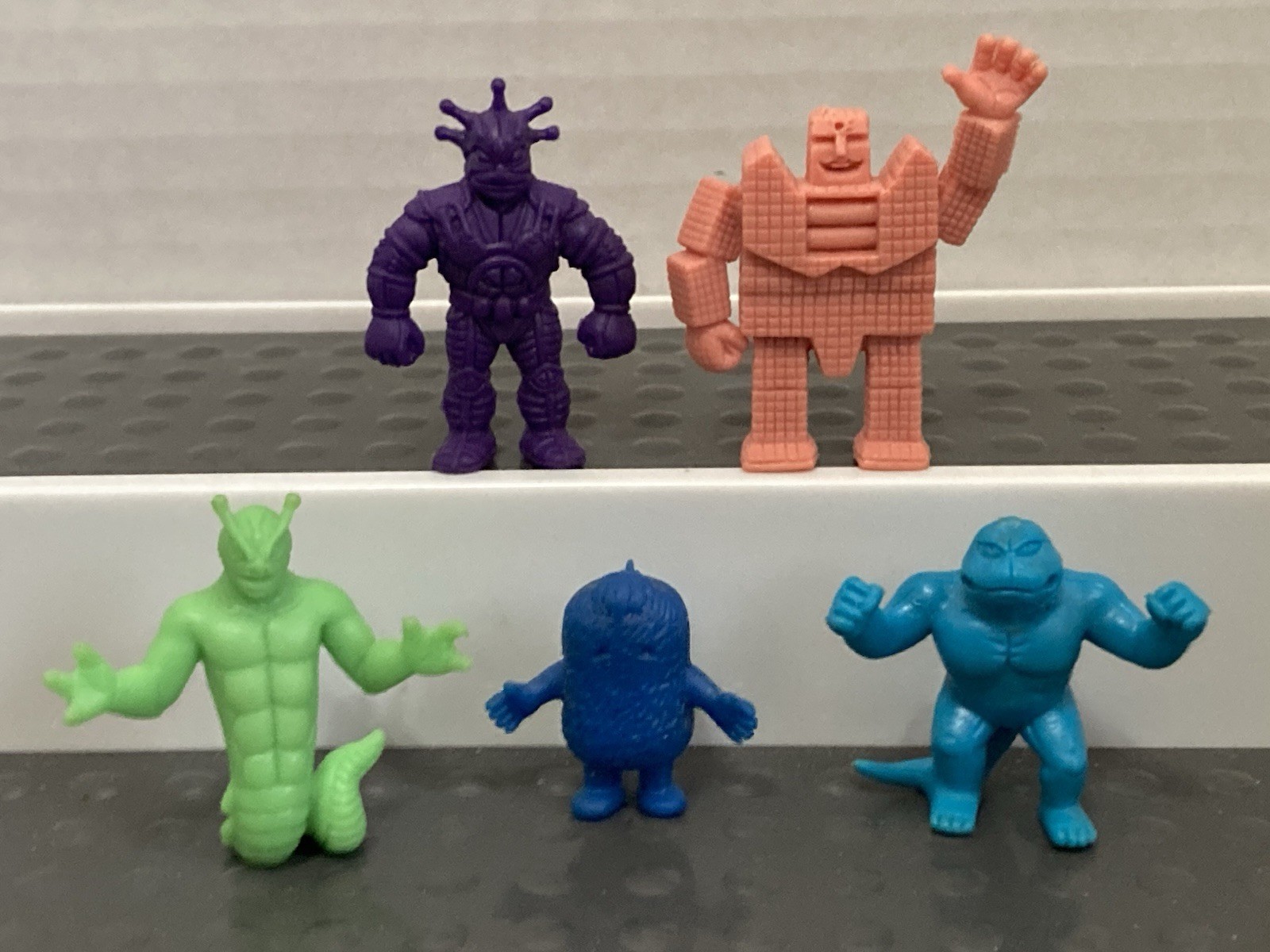


eBay links are affiliate links: JunkPal may earn a commission at no cost to you.
Resale values related to mold quality
Shop mold quality on eBay ↗


![Franny Funko As Azula [GITD] #SE (Freddy Funko)](https://storage.googleapis.com/images.pricecharting.com/sbtbm36tc3awdk6b/240.jpg)

JunkPal may earn a commission when you buy through eBay links, at no extra cost to you.
What’s worth the most
Ranked on medians of real closed eBay sales, not asking prices.