What does “mint on card condition” mean?
What it means
Mint on Card (MOC) describes a toy that is factory-sealed and remains attached to its original cardboard backing. This is the highest preservation state for packaged collectibles. The term signifies that the toy inside is unused, and the outer packaging—the card—is flawless. Flawless means no creases, no fading, no scuffs, and all corners are sharp and unbent. This is not merely "good condition"; it is factory-fresh presentation. The packaging integrity is the primary metric; the toy's internal condition is secondary if the card is damaged.
What it does to price
MOC status applies a substantial premium over loose or damaged versions. Depending on the item's rarity, MOC copies can fetch 2x to 5x the price of the same toy sold loose. Minor card flaws—such as light edge wear or a slight corner ding—can drop the value by 15% to 30%. Conversely, a perfect, factory-sealed MOC item can command a premium of $50 to $200 or more over a near-mint loose version, depending on the toy's market value. Packaging defects are non-negotiable deductions in this tier.
How to spot it
Visual inspection must cover the entire card surface. Look for print quality; faded colors or yellowing paper immediately disqualify it. Check the corners—they must be crisp 90-degree angles. Examine the edges for rubbing or whitening of the cardboard. Sellers must provide high-resolution photos showing the top, bottom, left, and right edges of the card. Common errors include "shelf wear," which is light surface abrasion, or "crease lines," which indicate mishandling. Fakes usually involve poorly printed text or incorrect UPC/barcode placement.
Buying smart
Paying a premium for MOC is justified only for high-demand, rare, or investment-grade items. If the toy itself is common or the card is fragile, the premium may not yield adequate returns. A fair deal involves the asking price closely matching established market data for graded or certified MOC items. If a seller is asking 4x the average loose price without providing photographic proof of absolute perfection, the premium is likely inflated.
Selling smart
Listing an item as MOC requires absolute certainty of condition. Buyers pay a significant premium for verifiable perfection. The single most valuable asset in a listing is a clear, well-lit photograph of the card’s four corners and all four edges. Use the descriptor "MOC" only when the item meets the highest standard. If the card has any visible flaw, the listing must accurately reflect that flaw (e.g., "MOC with minor top-right corner ding") to avoid buyer disputes and maintain credibility.
On eBay right now
Current asking prices from live listings — not sold-comp medians.


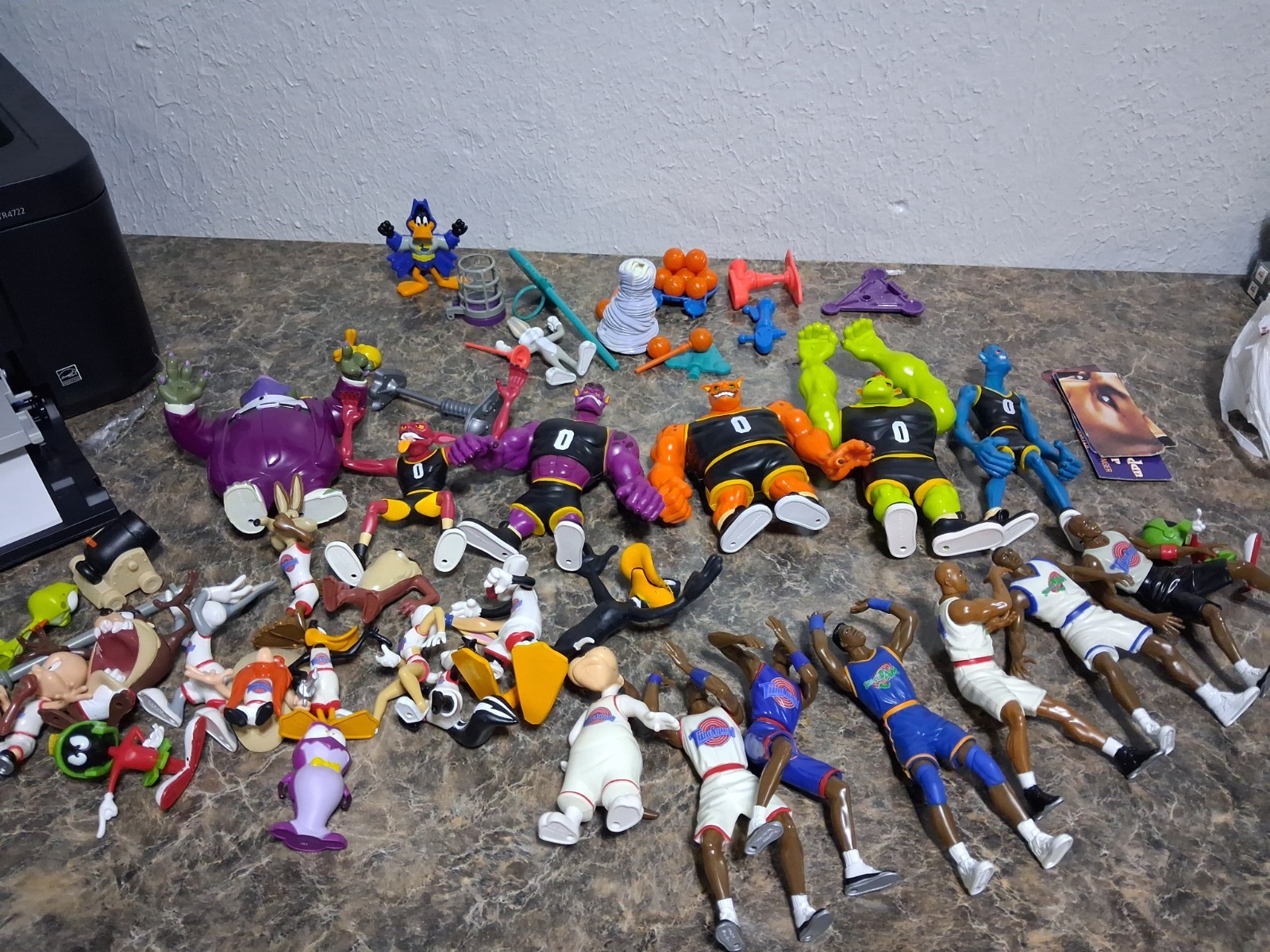
eBay links are affiliate links: JunkPal may earn a commission at no cost to you.
Resale values related to mint on card condition
Shop mint on card condition on eBay ↗![Freddy Funko Beetlejuice [GITD] #16 (Freddy Funko)](https://storage.googleapis.com/images.pricecharting.com/ww2oi4k4t63cal2j/240.jpg)
![Jack [CCXP22] #1181 (Animation)](https://storage.googleapis.com/images.pricecharting.com/5ax2mz7wrn3qz6qo/240.jpg)
![Donatello [Metallic] #60 (Television)](https://storage.googleapis.com/images.pricecharting.com/5ehv2wdgm3mkkfb6/240.jpg)




JunkPal may earn a commission when you buy through eBay links, at no extra cost to you.
What’s worth the most
Ranked on medians of real closed eBay sales, not asking prices.