What does “mint on card chase” mean?
What it means
"Mint on card chase" describes a toy or collectible that meets three strict criteria: it is in flawless, unused condition (mint), it remains sealed within its original packaging (on card), and it belongs to a highly limited or difficult-to-acquire series (chase). The mainstream equivalent is a "factory sealed, rare variant." The "chase" element confirms the item is not a standard release; it implies low production numbers, high demand, or a specific, sought-after variant within a product line. For collectors, this is the ultimate preservation state, guaranteeing the item has never been handled or exposed to environmental damage.
What it does to price
The sealed, mint condition acts as a significant, non-negotiable multiplier on the item's base value. A CIB (Complete In Box) or sealed copy typically fetches 1.8x to 4x the price of a loose, played-with, or even near-mint loose copy. Factors pushing the price up include verified scarcity (e.g., numbered editions, convention exclusives) and high brand recognition. Conversely, minor packaging flaws—a crease on the outer box, a slight corner ding—can immediately drop the value by 20-35%. For example, a standard $50 loose figure might command $120-$200 sealed, but if the seal is visibly compromised, the price may drop to $45-$75.
How to spot it
Verification requires close inspection of the packaging integrity. Look for factory seals that are unbroken, tamper-proof, and show no signs of adhesive residue or amateur repair. Edition markers are key; these are often printed on the card backing or listed on the outer sleeve and confirm the item is part of a limited run. Sellers must provide high-resolution photos of the entire packaging, focusing specifically on the corners and the seal area. Common issues to watch for are "re-sealed" items (where the original seal was broken and replaced) or items that were damaged during transit but resealed by a third party.
Buying smart
Paying a premium for a mint on card chase item is justified only when the item has proven, verifiable scarcity and high collector interest. If the item is a standard release that simply hasn't sold well, the premium is inflated speculation. A fair deal requires the asking price to be within 10-15% of established secondary market benchmarks for comparable sealed items. If the seller cannot provide provenance or clear, detailed photos proving the seal is factory original, the premium should be significantly reduced, as the risk of a fake or tampered item is too high.
Selling smart
Listing strategy must aggressively prove the item's pristine state. The single most valuable element in a listing is a clear, macro photograph of the factory seal, showing the unbroken integrity of the packaging. Use the term "Factory Sealed" or "Mint On Card Chase" in the title, not just "Sealed." This language immediately filters the buyer pool toward serious, high-budget collectors who are willing to pay the premium. Highlighting the specific scarcity (e.g., "Limited Run of 500") validates the price point and justifies the asking price above loose market rates.
On eBay right now
Current asking prices from live listings — not sold-comp medians.


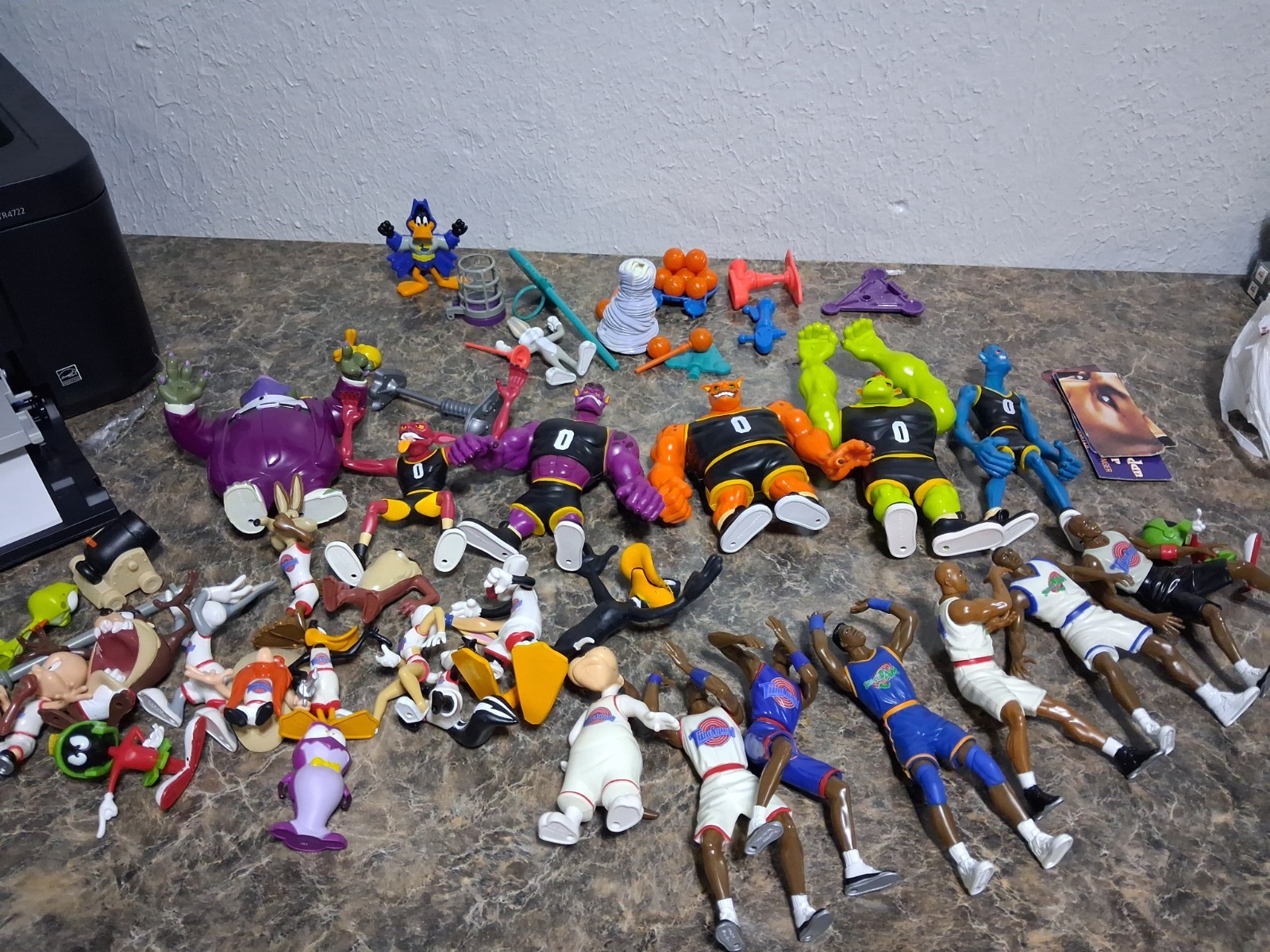
eBay links are affiliate links: JunkPal may earn a commission at no cost to you.
Resale values related to mint on card chase
Shop mint on card chase on eBay ↗![Freddy Funko As Shipwreck [GITD] #SE (Freddy Funko)](https://storage.googleapis.com/images.pricecharting.com/djflr6rhgusz3nxw/240.jpg)

![Hal Jordan [Metallic] #11 (Heroes)](https://storage.googleapis.com/images.pricecharting.com/hm4emmbdbgonp2ep/240.jpg)
![The Wolf Man [Summer Convention Flocked] #114 (Movies)](https://storage.googleapis.com/images.pricecharting.com/a3b2a7scqharvs77/240.jpg)
![Jax Teller Reaper Crew [SDCC] #112 (Television)](https://storage.googleapis.com/images.pricecharting.com/h7uszxqwpti46vln/240.jpg)
![Sorcerer Mickey & Chernabog [SDCC] (Disney)](https://storage.googleapis.com/images.pricecharting.com/ncrhkjmw5jywsizm/240.jpg)
![Raphael [Metallic] #61 (Television)](https://storage.googleapis.com/images.pricecharting.com/bgvdomc3m4vnycqd/240.jpg)
JunkPal may earn a commission when you buy through eBay links, at no extra cost to you.
What’s worth the most
Ranked on medians of real closed eBay sales, not asking prices.