What does “mint in mint” mean?
What it means
"Mint in Mint" (often abbreviated MIB) describes a toy or collectible that is factory-fresh and entirely unused. The condition extends beyond the toy itself being flawless; it requires the entire presentation—the box, blister card, plastic window, and all internal packaging—to be in perfect, unblemished condition. This is the highest tier of collectible grade. The mainstream equivalent is "New in Box" (NIB), but MIB implies an even stricter standard of perfection, suggesting the item has never been opened or handled by anyone other than the manufacturer. Any sign of wear, such as shelf wear, scuffs on the cardboard, or minor creasing on the plastic, disqualifies it from a true MIB designation.
What it does to price
MIB status commands the highest price premium in the collecting market. Generally, a true MIB item fetches 1.8x to 3x the price of an equivalent loose or "near-mint" (NM) example. The premium is heavily influenced by scarcity and demand. Factors that push the price up include factory-sealed packaging (e.g., shrink-wrapped), limited edition status, and high-demand characters. Factors that depress the price include corner dings, minor box discoloration, or evidence of tampering. For example, a standard action figure in MIB condition might sell for $50, whereas the same figure loose might sell for $25.
How to spot it
Spotting MIB requires close inspection of the packaging integrity. Look for sharp, crisp corners on the box; there should be no crushing or warping. Examine the plastic window for scratches, yellowing, or stress marks. Check the inner cardboard backing for fading or creases where it meets the plastic. Sellers must provide high-resolution photos showing the entire exterior of the packaging from all four sides, plus a photo of the sealed interior, if possible. A common error is mistaking "Near Mint" for MIB; NM items may have minor shelf wear on the box edges, while MIB requires zero visible wear.
Buying smart
Paying a significant premium for MIB is justified when the item is a highly sought-after, scarce, or investment-grade piece. If the toy is common or has low market demand, the premium may not yield sufficient return. A fair deal for MIB involves the asking price being within 10-15% of established market averages for verified, graded examples. If the seller cannot provide clear, high-detail photos showing the packaging's flawless state, the price should be negotiated down substantially, as the condition cannot be verified.
Selling smart
To maximize sales value, the listing must explicitly state "MIB" and back it up with photographic evidence. The single most valuable piece of evidence is a clear, well-lit photograph of the entire box showing all edges and corners, taken from a straight-on angle. If the item is factory-sealed, a photo of the seal itself adds significant credibility. Using the term MIB correctly, supported by proof, shifts the buyer's perception from "used collectible" to "pristine asset," directly enabling the premium pricing structure.
On eBay right now
Current asking prices from live listings — not sold-comp medians.


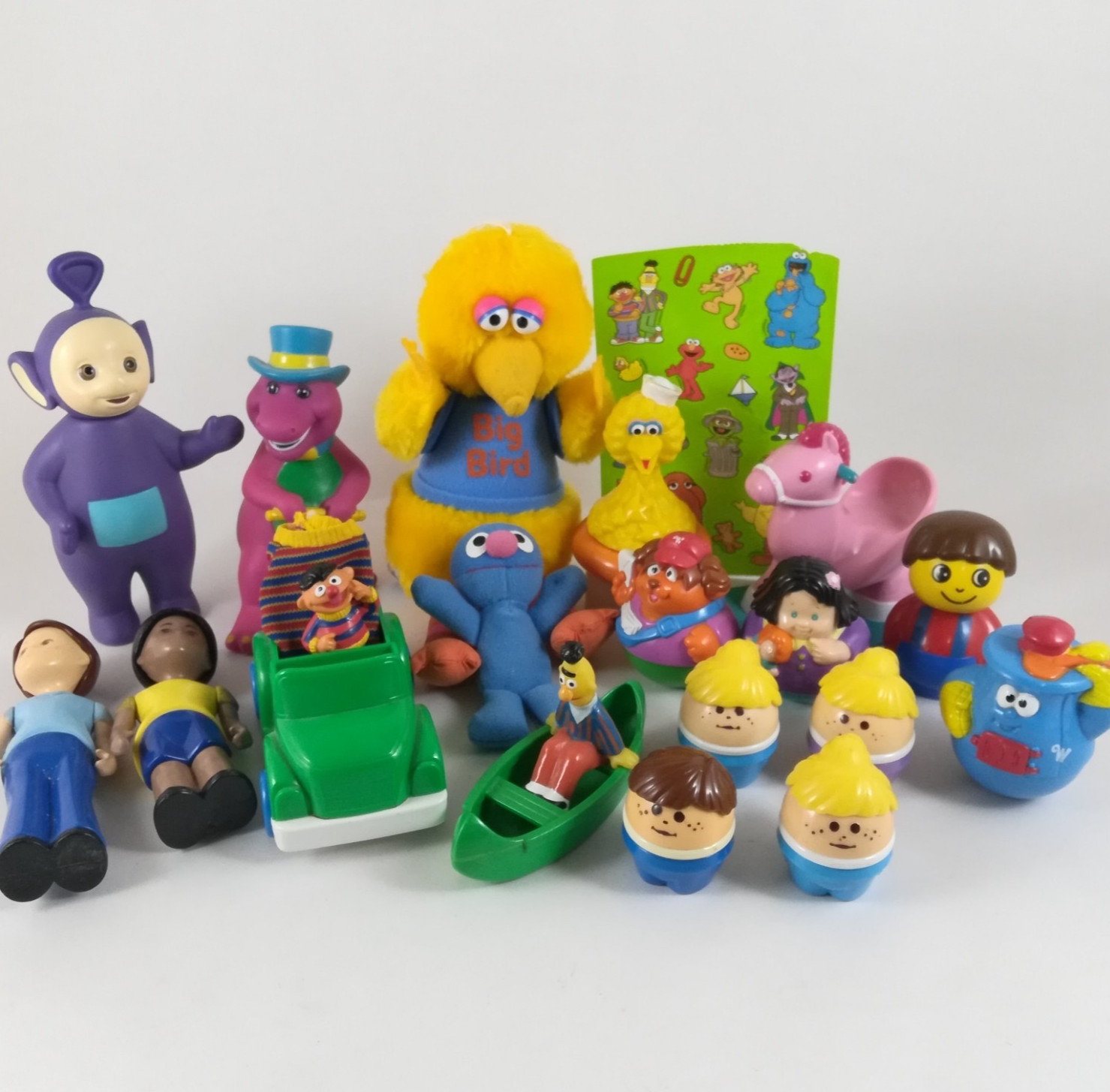


eBay links are affiliate links: JunkPal may earn a commission at no cost to you.
Resale values related to mint in mint
Shop mint in mint on eBay ↗
![Jack-Jack [Giants] #367 (Disney)](https://storage.googleapis.com/images.pricecharting.com/ivj2rja6agsqr4ap/240.jpg)

![Oogie Boogie [GITD] #39 (Disney)](https://storage.googleapis.com/images.pricecharting.com/t63evsbj3mrr2hme/240.jpg)

![Sulley [Flocked] #4 (Disney)](https://storage.googleapis.com/images.pricecharting.com/ad2u4mebvww5cvze/240.jpg)
![Mumm-Ra [GITD] #105 (Television)](https://storage.googleapis.com/images.pricecharting.com/gliojvm6ipapvj6r/240.jpg)
![Charizard [Metallic] #843 (Games)](https://storage.googleapis.com/images.pricecharting.com/iqzkm72uainftjs5/240.jpg)
JunkPal may earn a commission when you buy through eBay links, at no extra cost to you.
What’s worth the most
Ranked on medians of real closed eBay sales, not asking prices.