What does “mint card” mean?
What it means
A mint card is a trading card exhibiting pristine, factory-fresh condition. This means zero discernible flaws: no surface scratches, corner rounding or whitening, print misalignment, creasing, or edge wear. The condition must appear as if the card has never been handled or played with. In the collecting niche, "mint" is the highest attainable grade, often synonymous with PSA 10 or BGS 9.5/10. The mainstream equivalent is "perfect condition," but in card grading, "mint" implies a level of perfection that is objectively verifiable and highly valued by investors.
What it does to price
The difference between a Near Mint (NM) and a Mint (M) card can easily result in a 2x to 5x valuation increase, depending on the card's rarity and market demand. For a mid-tier, sought-after chase card, the jump from NM to Mint can be several hundred dollars. For a blue-chip, high-demand card, the multiplier can exceed 10x. Factors pushing the price up include centering (perfect centering is critical for top grades) and sharp corners. Flaws like minor edge whitening, even if small, can drop the card into the NM range, immediately cutting the premium.
How to spot it
Inspection requires magnification. Look for print consistency across the entire surface—no ink bleed or color variations. Corners must be sharp, not softened or rounded. Edges must be crisp, without any chipping or whitening (known as "edge wear"). Sellers must provide high-resolution, well-lit photos, ideally showing the card under direct light to reveal surface abrasions. Common pitfalls include subtle surface scratches invisible to the naked eye but detectable under magnification, and slight print registration errors that are not true factory defects but result from poor printing alignment.
Buying smart
Paying a significant premium for a mint card is justified only when the card is a high-demand, investment-grade asset (e.g., modern chase rookie cards, vintage key cards). If the card is a low-tier pull or a common variant, the premium often outweighs the potential return. A fair deal requires the asking price to be within 10-15% of established graded market prices for that specific card, or substantially lower if the seller is offering an ungraded card that they claim is mint. Always verify the card's authenticity before committing to a high-end purchase.
Selling smart
To command the highest price, the listing must unequivocally prove the card's condition. The single most effective element is a photo taken under bright, direct light that clearly showcases the corners and edges. The word "Mint" or "Pristine" is insufficient; the listing description must detail the condition—e.g., "Flawless corners, perfect centering, zero surface wear." If the card is professionally graded (PSA 10, etc.), the graded slab image is the ultimate proof and commands the maximum premium.
On eBay right now
Current asking prices from live listings — not sold-comp medians.
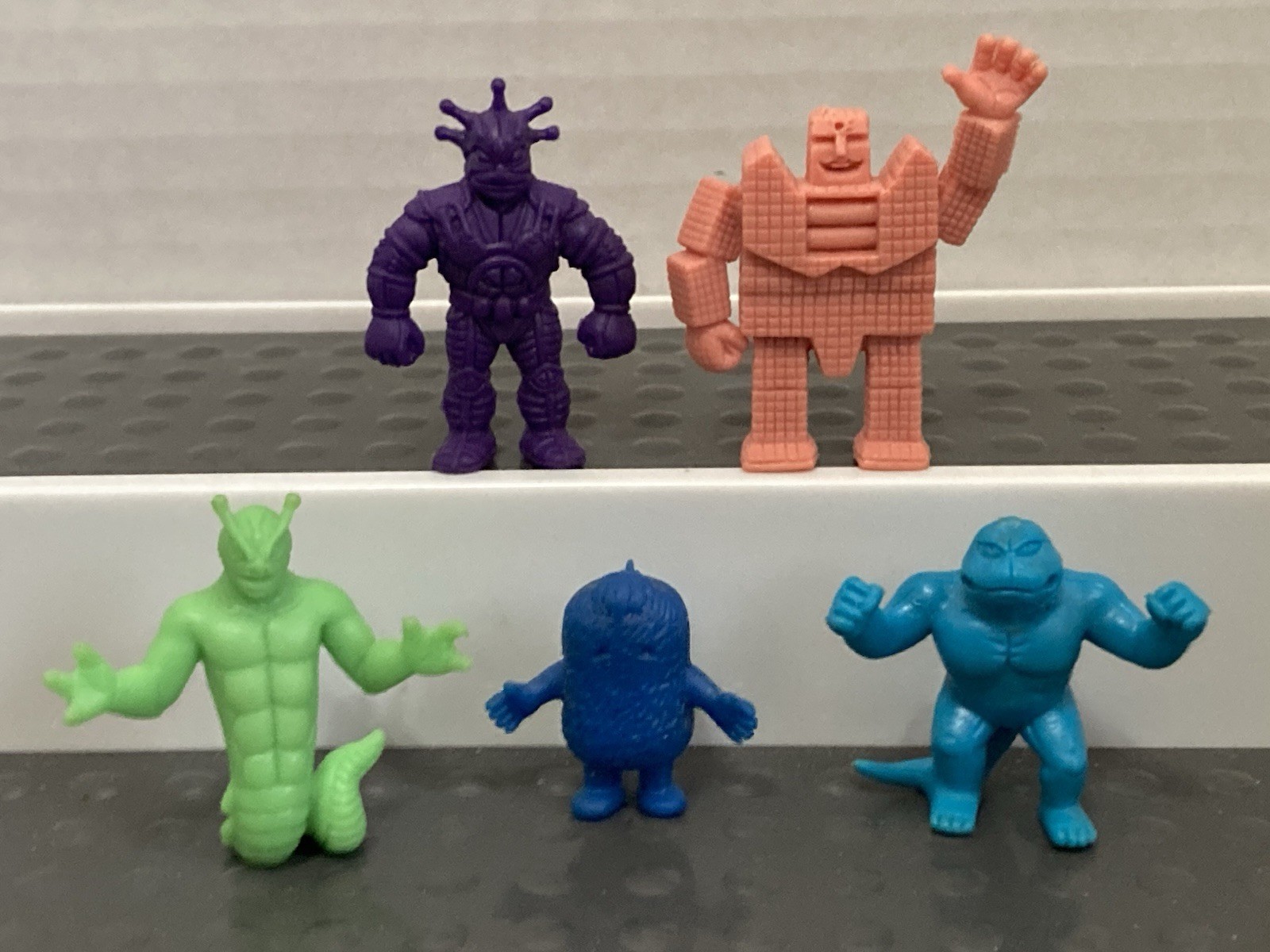


eBay links are affiliate links: JunkPal may earn a commission at no cost to you.
Resale values related to mint card
Shop mint card on eBay ↗![Freddy Funko As Iron Man [Diamond] #SE (Freddy Funko)](https://storage.googleapis.com/images.pricecharting.com/ojgf7ljhcz7p2ro3/240.jpg)

![Purple Haze [Metallic] #1 (Rocks)](https://storage.googleapis.com/images.pricecharting.com/vni4glpktxyx7qj3/240.jpg)
![Captain America [Black And White] #6 (Marvel)](https://storage.googleapis.com/images.pricecharting.com/xpo2ucj6yllz3sje/240.jpg)
![White Ranger [GITD] #22 (Television)](https://storage.googleapis.com/images.pricecharting.com/33giahhj65p5mb64/240.jpg)


JunkPal may earn a commission when you buy through eBay links, at no extra cost to you.
What’s worth the most
Ranked on medians of real closed eBay sales, not asking prices.