What does “m.o.c.” mean?
What it means
M.O.C. stands for Mint on Card. It designates a collectible item, usually a toy or trading card, that is factory sealed and in perfect, unused condition. This means the item has never been opened or tampered with since production. The card or packaging is pristine, showing no signs of wear, creasing, or damage. For the collecting market, MOC is the highest possible grade for packaged goods. It is the sealed, original state of the item.
What it does to price
MOC status commands a significant price premium. Generally, a MOC copy fetches 1.5x to 3x the price of the exact same item loose, depending on rarity and demand. Factors that push the price up include factory-sealed condition (no rips, no corner dings) and the presence of original manufacturer seals. Factors that pull the price down include minor shelf wear or signs of handling on the cardboard backing. For example, a common vintage action figure in MOC might sell for $40, while the same figure loose might sell for $15.
How to spot it
Spotting MOC requires close inspection of the packaging. Check the card corners for whitening or rounding. Inspect the plastic bubble or card backing for scratches, scuffs, or stress marks. Look for factory seals—these are often adhesive strips or plastic wraps applied during production. Sellers should provide high-resolution photos of the entire packaging, including the edges and corners, not just the front display. A common mistake is confusing "Near Mint" (item is perfect but packaging has minor handling wear) with true MOC.
Buying smart
Paying a premium for MOC is justified when the item is extremely rare, highly sought after, or part of a critical, complete set. If the item is common or easily found loose, the premium often outweighs the benefit. A fair deal for MOC involves paying a premium that reflects the *risk* of damage and the *guarantee* of factory condition. If the price is more than double the loose market value without exceptional rarity backing it up, the purchase is likely overpriced.
Selling smart
Proving MOC status in a listing is the primary driver of premium pricing. High-quality photos are non-negotiable. Sellers must photograph the item from all four sides, clearly showing the seals and corners. Using the exact term "MOC" or "Mint on Card" in the title and description sets the expectation. One clear, well-lit photo showing the entire sealed package—especially any factory seals—is often enough to earn the top-tier buyer premium.
On eBay right now
Current asking prices from live listings — not sold-comp medians.

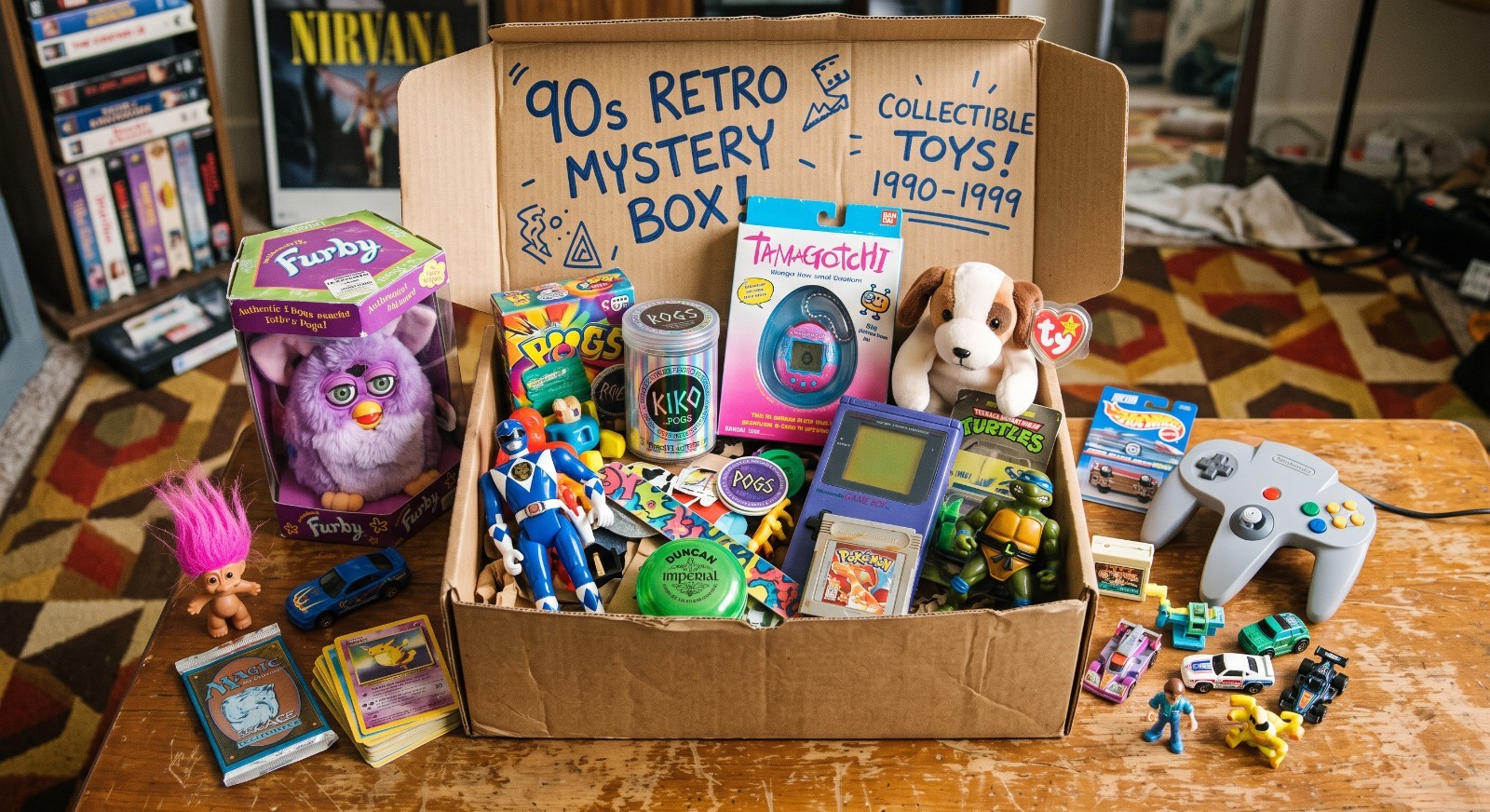

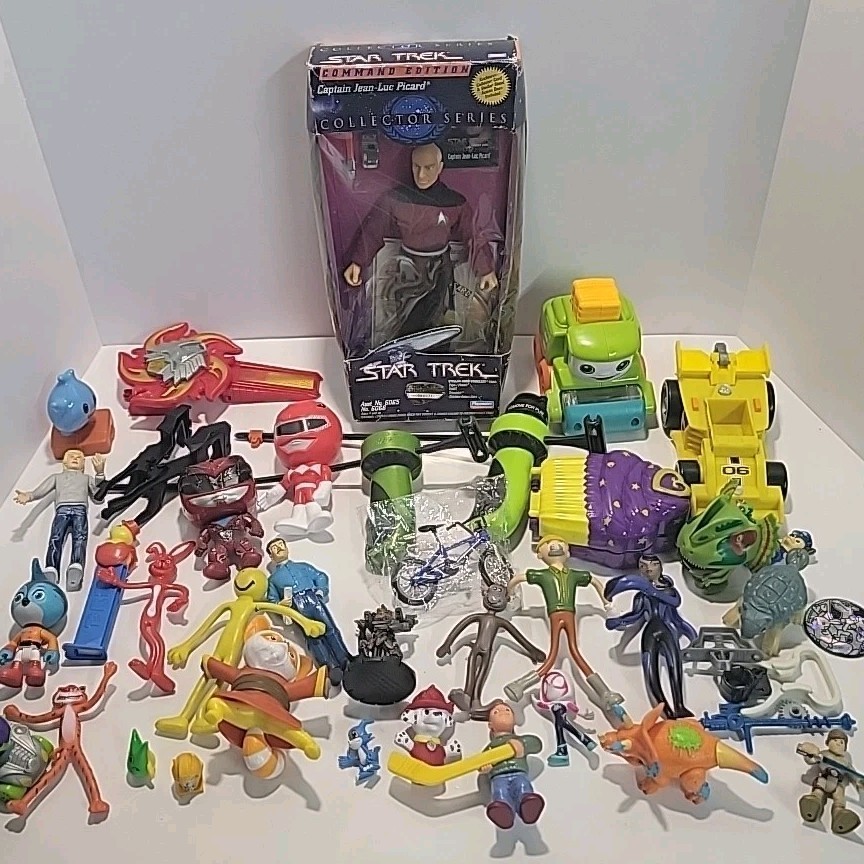
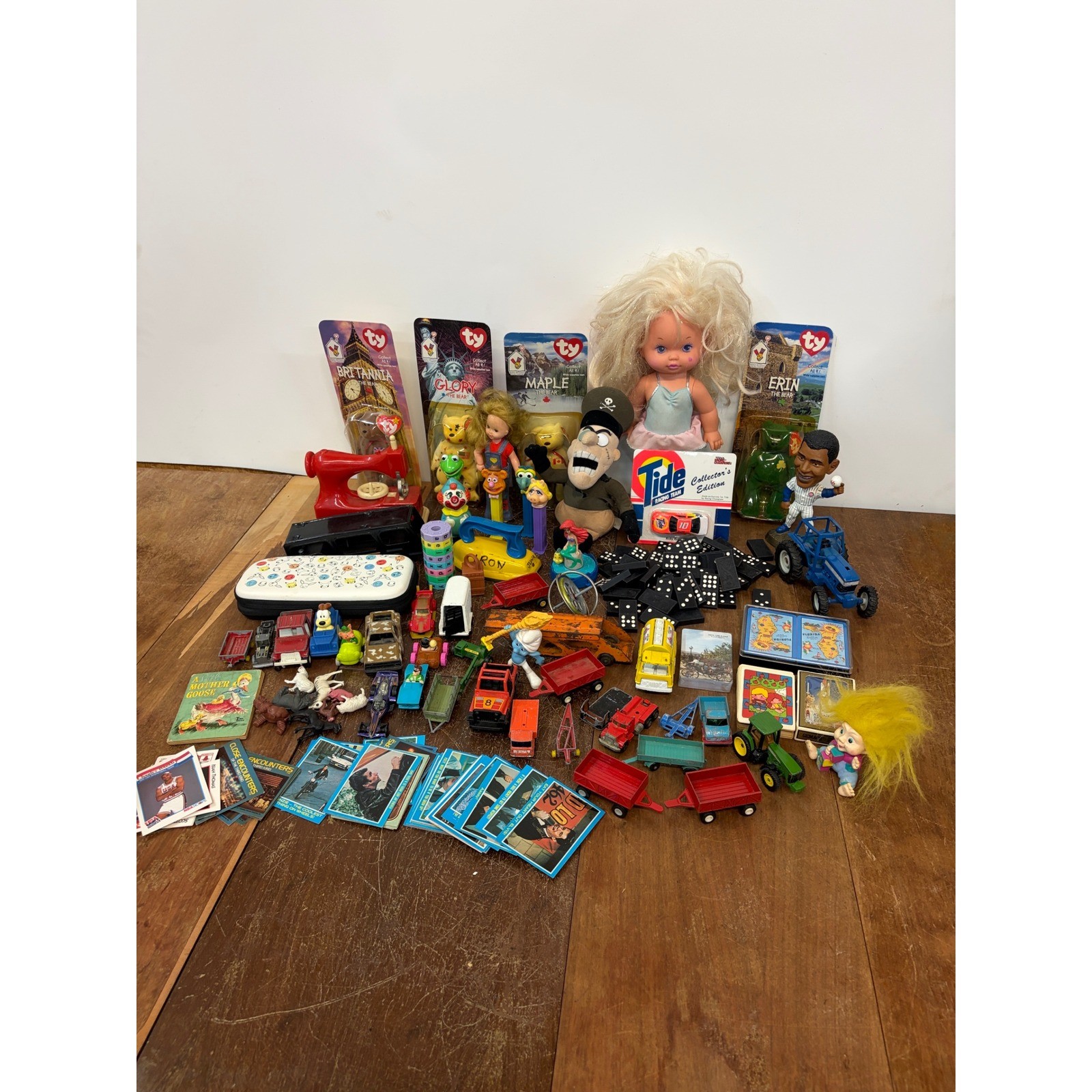

eBay links are affiliate links: JunkPal may earn a commission at no cost to you.
Resale values related to m.o.c.
Shop m.o.c. on eBay ↗![Scooby-Doo [Flocked Green] #149 (Animation)](https://storage.googleapis.com/images.pricecharting.com/hllmvizn6kfyezoa/240.jpg)
![Robin [Chase DC Universe] #2 (Heroes)](https://storage.googleapis.com/images.pricecharting.com/zd6gpyjk6iavpv6j/240.jpg)
![Eric Davis [Silver] #52 (Mlb)](https://storage.googleapis.com/images.pricecharting.com/2wbrdnfptbkestq7/240.jpg)
![Maka [Hot Topic Pre-Release] #80 (Animation)](https://storage.googleapis.com/images.pricecharting.com/7fzms53nrs6gtie5/240.jpg)

![The Fat Lady [Chase] #189 (Harry Potter)](https://storage.googleapis.com/images.pricecharting.com/sivo3zppcrdpyu66/240.jpg)
JunkPal may earn a commission when you buy through eBay links, at no extra cost to you.
What’s worth the most
Ranked on medians of real closed eBay sales, not asking prices.