What does “loose variant” mean?
What it means
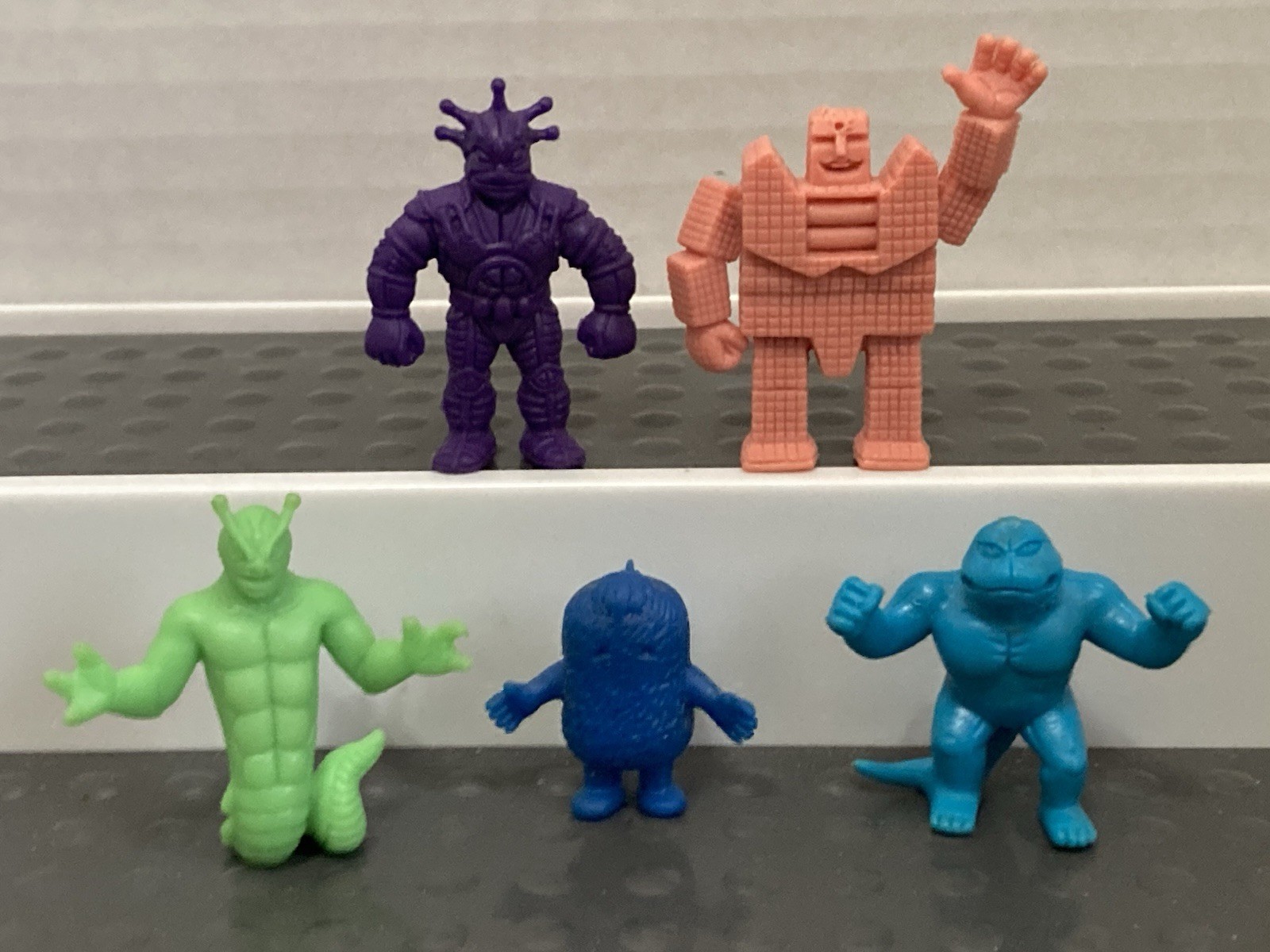
A loose variant is an individual toy or collectible piece separated from its original packaging or set. The "variant" aspect signifies that the piece deviates from the standard production run. This deviation can manifest as a specific color shift (e.g., a "translucent blue" instead of standard blue), an unreleased or prototype mold, or a documented production error. This is distinct from simply being "loose," which only means it lacks packaging. The variant status is what drives the specialized collector interest and potential value increase.
What it does to price
The presence of a genuine, documented variant can create significant price premiums. A standard, common loose item might sell for $5-$15. If that item is confirmed to be a rare color variant, the price can easily jump to $40-$100 or more, depending on the item's base rarity. Minor production errors are usually less valuable than intentional, documented color or mold variations. A high-demand, unreleased mold variant might fetch 3x to 10x the price of its standard counterpart. A common mistake is mistaking a simple repaint for a true variant; this distinction is crucial for valuation.
How to spot it
Identifying a variant requires close inspection. Look for subtle differences in paint application, plastic hue, or mold tooling marks. Specific indicators include unique stampings on the underside, different plastic sheen, or slight variations in accessory molding. Sellers must provide high-resolution photos showing the entire piece, especially areas prone to variation (e.g., helmet paint, specific joint colors). Common issues include simple shelf wear being mistaken for a variant, or counterfeit items being passed off as rare production errors.
Buying smart
Paying a premium for a loose variant is justified only when the variant is officially documented or clearly identifiable by established collector guides. If the claimed variant status is vague ("might be different"), the risk outweighs the reward. A fair deal involves a price that reflects the *proven* rarity, not the *potential* rarity. If the item is a known, highly sought-after variant, paying 2x the standard loose price is reasonable. If the variant status is unverified, the price should not exceed 1.25x the standard loose price, accounting for the risk.
Selling smart
Documentation is the primary driver of premium pricing. A listing that clearly states, "Confirmed [Specific Color] Variant, Mold X," with accompanying photos highlighting the distinguishing feature, commands a higher price. A single, well-lit photo focusing solely on the unique characteristic—like a specific paint application or mold seam—can justify a $20-$50 premium over a standard loose version. Vague descriptions result in buyers defaulting to the common market value, regardless of the item's actual condition or rarity.
On eBay right now
Current asking prices from live listings — not sold-comp medians.


eBay links are affiliate links: JunkPal may earn a commission at no cost to you.
Resale values related to loose variant
Shop loose variant on eBay ↗![Freddy Funko As Hopper [GITD] #SE (Freddy Funko)](https://storage.googleapis.com/images.pricecharting.com/pwo26x5pggn55iah/240.jpg)
![Captain America [Metallic] #6 (Marvel)](https://storage.googleapis.com/images.pricecharting.com/xsos5txhcdgo6vuw/240.jpg)
![Chewbacca [Flocked] #6 (Star Wars)](https://storage.googleapis.com/images.pricecharting.com/isr7opdgstgmr2oe/240.jpg)
![LeBron James [Limited Edition] #SE (Basketball)](https://storage.googleapis.com/images.pricecharting.com/k4r2p7azch4pp27d/240.jpg)
![Mike Wazowski [GITD Chase] #5 (Disney)](https://storage.googleapis.com/images.pricecharting.com/3cp7vyxbtcr4kkuh/240.jpg)
![Spider-Man [Metallic] #15 (Marvel)](https://storage.googleapis.com/images.pricecharting.com/corrcako4kmrv6cpjapj/240.jpg)

![Superman [Silver] #7 (Heroes)](https://storage.googleapis.com/images.pricecharting.com/ki3lr7e57hxcy6vq/240.jpg)
JunkPal may earn a commission when you buy through eBay links, at no extra cost to you.
What’s worth the most
Ranked on medians of real closed eBay sales, not asking prices.