What does “loose toy variant” mean?
What it means
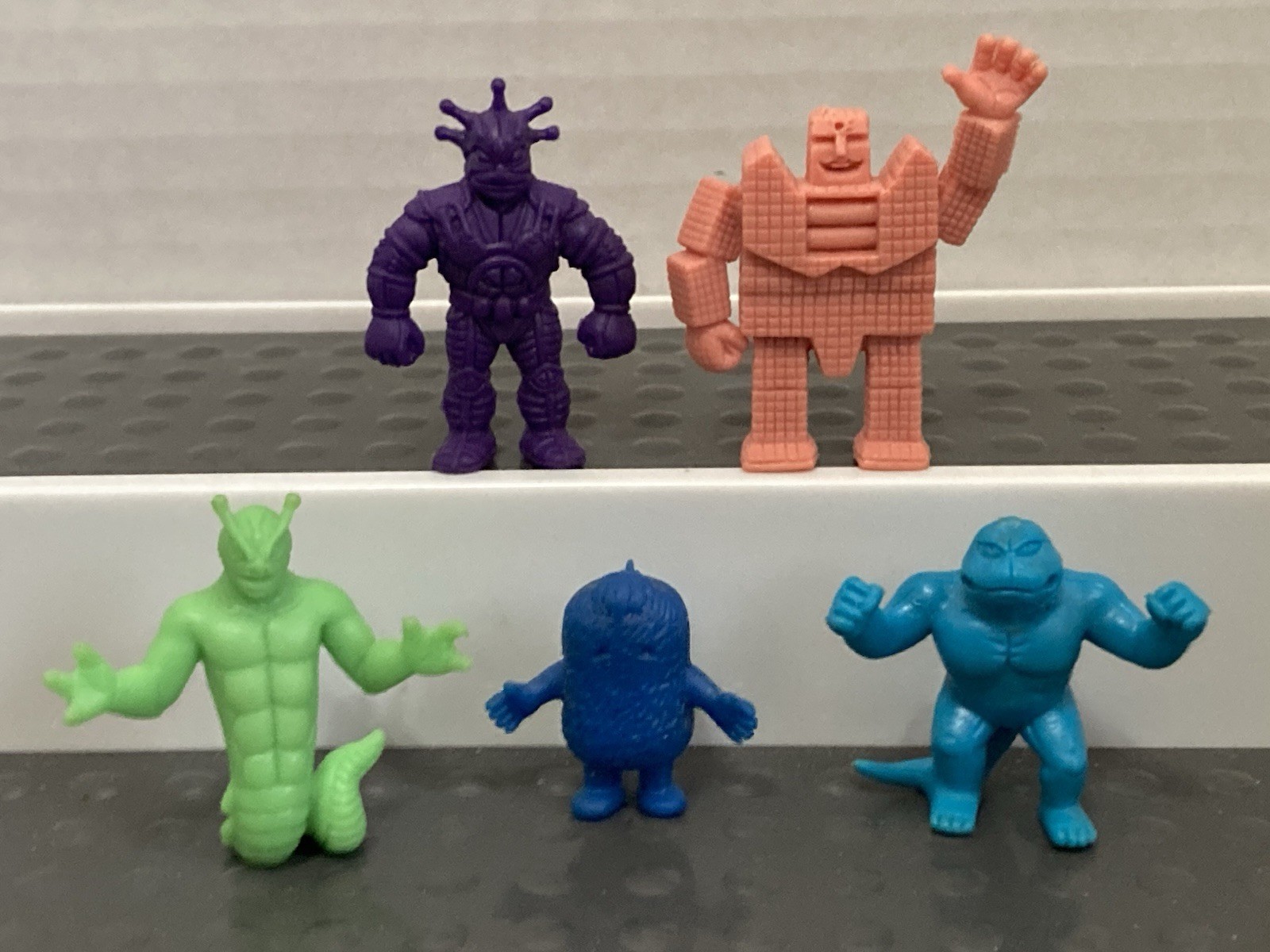
A loose toy variant is an individual, unboxed toy figure or accessory that possesses specific characteristics differentiating it from the standard release version. This is not merely an item missing its box; it signifies a distinct iteration—a color swap, a mold change, a prototype, or a rare chase variant. The mainstream equivalent is an "out-of-package collectible." The value is derived from the *variant* status, not just the fact that it is loose.
What it does to price
The loose variant status introduces volatility. A standard, common loose item typically trades at 40–60% of its sealed counterpart's price. However, a documented, highly sought-after variant (e.g., a rare paint application or an early production error) can command 2x to 5x the price of a standard loose piece. Conversely, a common character released in a rare colorway but in poor condition will sell for less than a mint-condition, common boxed version. For example, a standard loose figure might sell for $15; the same figure in a documented, scarce variant colorway, mint condition, could easily exceed $60.
How to spot it
Identification requires detailed inspection. Look for subtle differences in plastic hue, paint application consistency, or mold seams compared to known retail examples. Sellers must provide high-resolution images of specific areas: the head sculpt, joint points, and any visible markings or stamping on the feet or base. Common errors include mislabeling (selling a standard figure as a variant) or simple wear mistaken for a deliberate variant feature. Always cross-reference photos against known collector databases for that specific line.
Buying smart
Paying a premium for a loose variant is justified only when the variant status is verifiable and the condition is near-mint (9/10 or higher). If the premium is based solely on the *potential* of it being a variant without proof, the risk is too high. A fair deal involves a price that reflects the known scarcity, not just the general market rate for loose figures. If the seller cannot provide clear evidence of the variant status, the price should be negotiated down to the standard loose market rate.
Selling smart
Proving the variant status is the primary driver of premium pricing. A single, clear, high-resolution photograph focusing on the unique identifying characteristic (e.g., a specific paint code, a unique mold detail) is more valuable than a detailed description. Listing the item with precise terminology—e.g., "Chase Variant, Metallic Blue"—immediately filters buyers and justifies the higher asking price. Do not list it as just "Loose Toy"; specify the variant nature upfront.
On eBay right now
Current asking prices from live listings — not sold-comp medians.


eBay links are affiliate links: JunkPal may earn a commission at no cost to you.
Resale values related to loose toy variant
Shop loose toy variant on eBay ↗
![Skeletor [Metallic] #19 (Television)](https://storage.googleapis.com/images.pricecharting.com/wzrskfwc6fchh2ed/240.jpg)

![Gol D. Roger [Gold] #1274 (Animation)](https://storage.googleapis.com/images.pricecharting.com/eua34gmq5r7espwl/240.jpg)
![Green Arrow [Metallic] #15 (Heroes)](https://storage.googleapis.com/images.pricecharting.com/sfoqif2blbln44wh/240.jpg)
![Shazam [Metallic] #14 (Heroes)](https://storage.googleapis.com/images.pricecharting.com/xoa3tbu4ypvxzebt/240.jpg)

![The Joker 2 Pack [GITD] (Heroes)](https://storage.googleapis.com/images.pricecharting.com/tzierdlbjvfsjozv/240.jpg)
JunkPal may earn a commission when you buy through eBay links, at no extra cost to you.
What’s worth the most
Ranked on medians of real closed eBay sales, not asking prices.