What does “loose toy” mean?
What it means
A loose toy is an item sold without its original factory packaging, such as a box, blister card, or clamshell. This is the standard retail presentation versus a Complete In Box (CIB) or Mint in Box (MIB) presentation. The primary focus shifts entirely to the physical condition of the toy itself—the plastic, paint application, articulation points, and included accessories. While packaging provides context and protection, a loose toy’s value is determined by its playability and cosmetic integrity. If the toy is a highly sought-after variant, its inherent desirability can overcome the lack of packaging, but general wear is penalized.
What it does to price
The absence of packaging creates a price discount relative to a CIB counterpart. Generally, a loose piece will sell for 30% to 60% less than its sealed equivalent, depending on rarity. However, if the toy is extremely rare or highly desired (e.g., a limited-run variant), this discount can shrink to 10% or less. Factors pushing the price up include pristine paint, no visible stress marks, and all original, small accessories being present. Factors pushing it down include chipped paint, scuffs on the plastic, or missing small components (e.g., decals, tiny weapons). For example, a standard action figure might sell for $15 loose, but if it has a noticeable paint chip on the shoulder, the price may drop to $10.
How to spot it
The tell is the lack of any original cardboard or plastic casing surrounding the toy. When evaluating condition, look for stress marks around joints, faded paint areas, and evidence of handling wear on the plastic molding. Sellers should provide high-resolution photos of all visible surfaces, especially joints and feet. Common mistakes include sellers listing a toy as "loose" when it is actually in a generic, non-branded plastic bag. Fakes often exhibit slightly off-color plastic or poorly molded accessories; checking the specific mold lines or edition markings (if applicable) against known reference photos is necessary.
Buying smart
Paying a premium for a loose toy is only justified when the toy is exceptionally rare, highly sought after by dedicated collectors, or when the cosmetic condition is near-mint despite the lack of packaging. If the toy is common or easily replaceable, the discount offered by buying loose is the correct financial move. A fair deal involves a price that reflects the toy's inherent scarcity, minus a reasonable deduction for the packaging absence and any existing wear. If the seller claims "mint" condition but the photos show scuffs, the deal is not fair.
Selling smart
Listing a loose toy requires meticulous condition reporting. Buyers pay more when they trust the description. The single most effective element in a listing is a clear, well-lit photo showing the toy from multiple angles, specifically including close-ups of any flaws (scuffs, paint rub). Using precise terminology—"Loose, Good Condition with minor paint wear on left knee"—allows buyers to self-qualify. This transparency prevents disputes and justifies a higher asking price by demonstrating the seller’s accuracy and honesty.
On eBay right now
Current asking prices from live listings — not sold-comp medians.

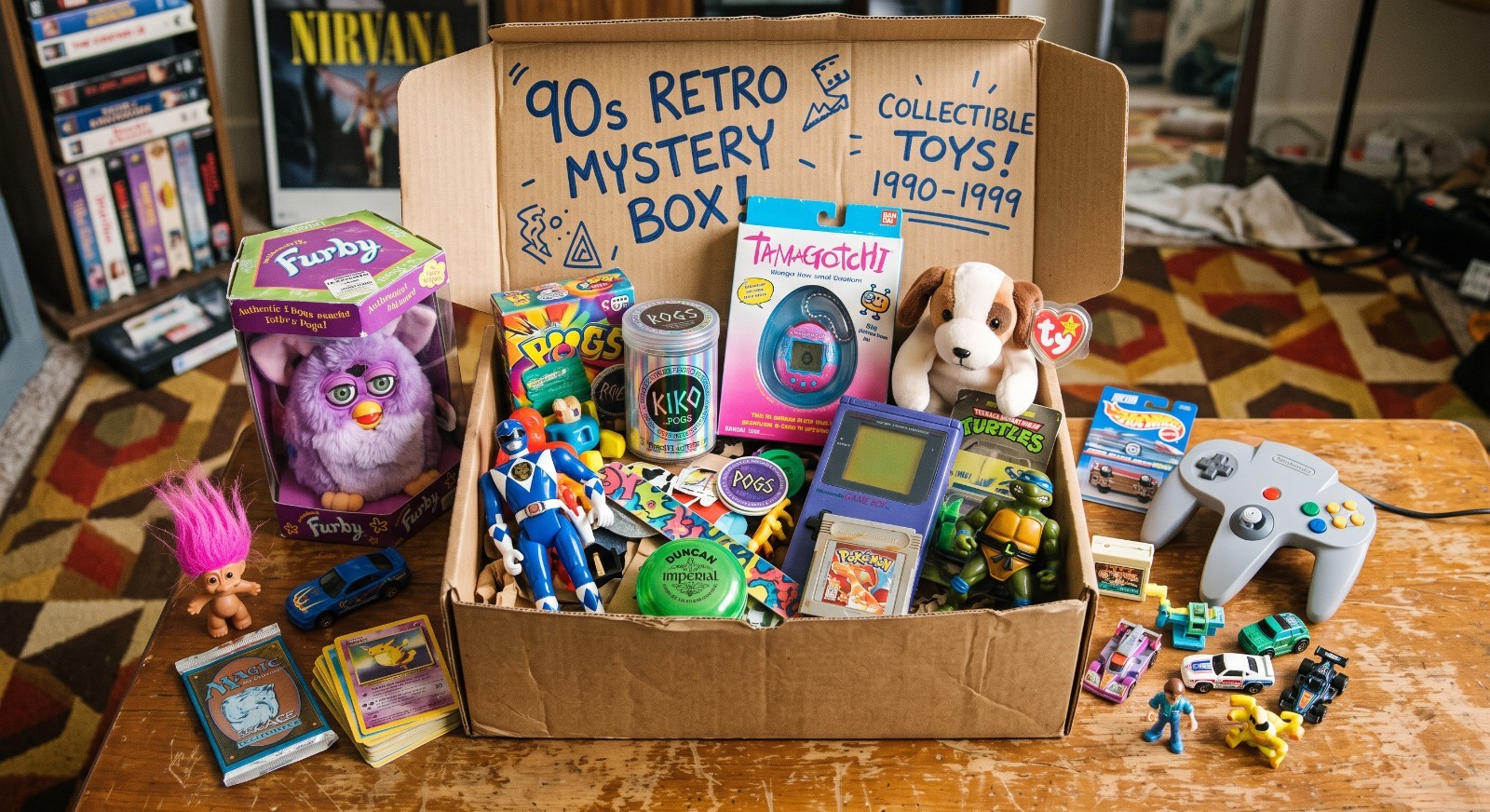

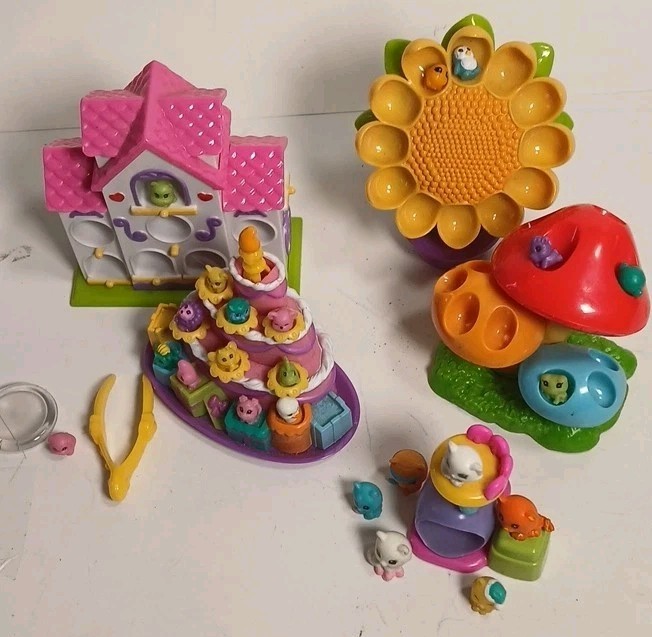

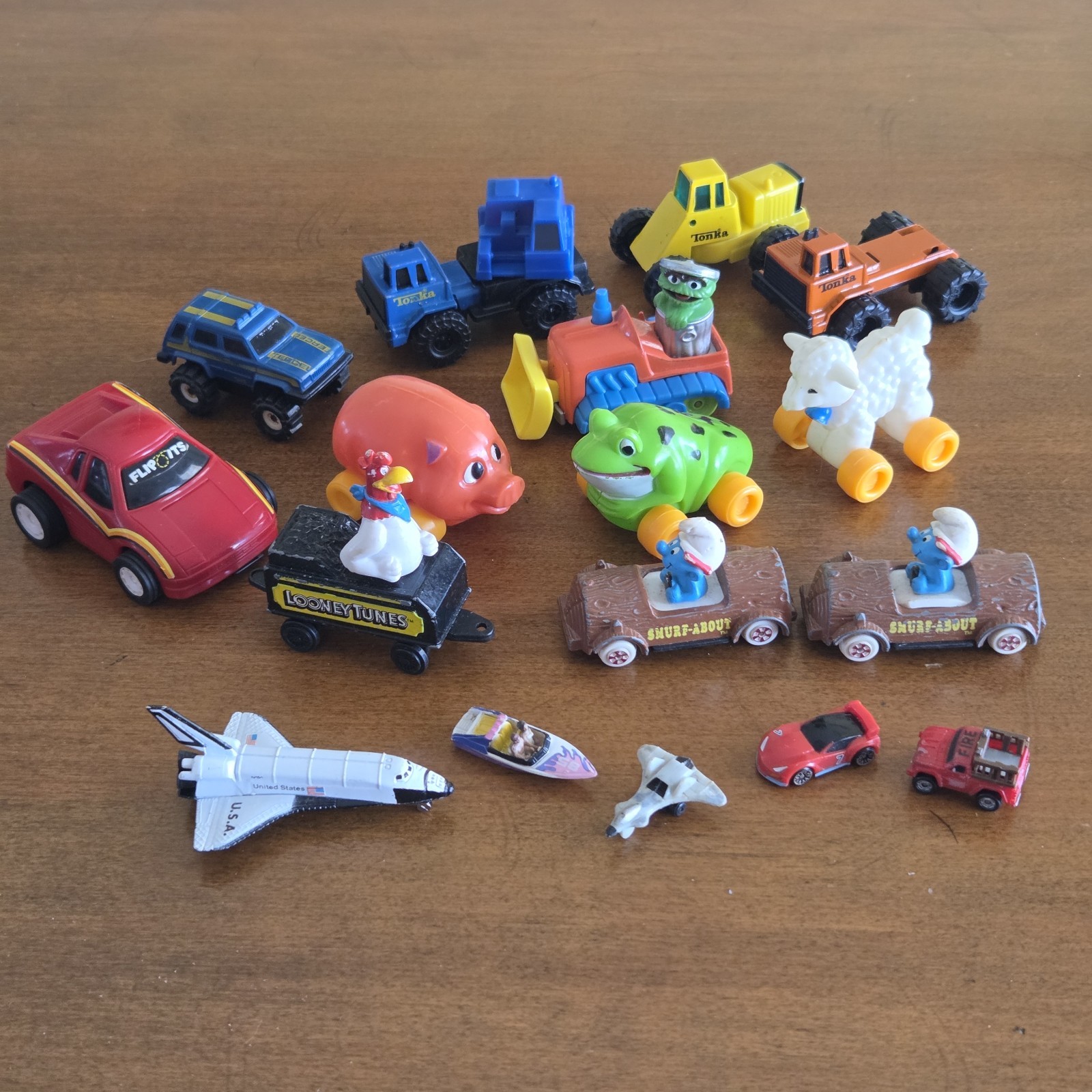
eBay links are affiliate links: JunkPal may earn a commission at no cost to you.
Resale values related to loose toy
Shop loose toy on eBay ↗![Sung Jinwoo E-Rank [CCXP] #1941 (Animation)](https://storage.googleapis.com/images.pricecharting.com/42ecy45hl6gy6uef/240.jpg)
![Conehead Zombie [Metallic] #5 (Games)](https://storage.googleapis.com/images.pricecharting.com/oaiue4z5mpx3iw67/240.jpg)
![Freddy Funko Cuphead Devil [Red] #SE (Freddy Funko)](https://storage.googleapis.com/images.pricecharting.com/mw4amgqmd2az3zlh/240.jpg)
![Franken Berry [Metallic] #2 (Ad Icons)](https://storage.googleapis.com/images.pricecharting.com/qrurqqrucql2q6ks/240.jpg)


JunkPal may earn a commission when you buy through eBay links, at no extra cost to you.
What’s worth the most
Ranked on medians of real closed eBay sales, not asking prices.