What does “loose parts” mean?
What it means
Loose parts are individual, detached components of a toy system, separate from the original retail packaging. This includes small figures, weapons, interchangeable hands, or specialized vehicle pieces. This term is distinct from "complete set," which implies all original components are present, even if they are loose. For collectors, loose parts fall into two categories: functional extras (desired by builders/customizers) or missing inventory (detracting from MIB/CIB value). The integrity of the individual piece—its paint application, structural soundness, and originality—determines its utility and value.
What it does to price
The presence of loose parts creates a bifurcation in pricing. A toy sold as "Complete in Box (CIB)" with all parts present commands a premium, often 1.5x to 3x the price of the same item sold as "Loose" or "Boxed with Parts." If the parts are crucial, such as a rare minifigure or a specific vehicle accessory, the value of the entire lot can increase significantly. Conversely, if the item is listed as "Complete" but several key, advertised pieces are missing, the price drops sharply, often 30-50% below expectation. For example, a vintage action figure priced at \$100 CIB might drop to \$60 if the rare weapon accessory is missing.
How to spot it
The tell is the lack of packaging integrity around the components. Sellers must differentiate between parts that were *always* loose (e.g., some older action figure accessories) and parts that *should* have been secured in the packaging. When assessing condition, inspect for stress marks, paint chipping, and discoloration on every piece. Buyers should request high-resolution photos of the interior tray or the components laid out flat. A common mistake is mislabeling a "loose" item as "complete" when critical, small pieces are absent.
Buying smart
Paying a premium for loose parts is justified when the set is incomplete but the missing pieces are common or easily sourced, or when the pieces themselves are highly desirable for display or modification (e.g., rare character variants). Avoid paying a high premium if the parts are visibly damaged, faded, or appear to be third-party reproductions. A fair deal involves a price that reflects the condition of the *worst* piece, unless the pieces are individually graded and valued separately.
Selling smart
Transparency maximizes return. Listing the item as "Complete with Loose Parts" is better than "Complete" if the packaging is damaged. The single most effective addition to a listing is a photograph showing *all* components laid out against a neutral background. If a piece has minor wear, noting it (e.g., "Minor scuff on left boot") prevents disputes and establishes a realistic baseline for the buyer's valuation.
On eBay right now
Current asking prices from live listings — not sold-comp medians.
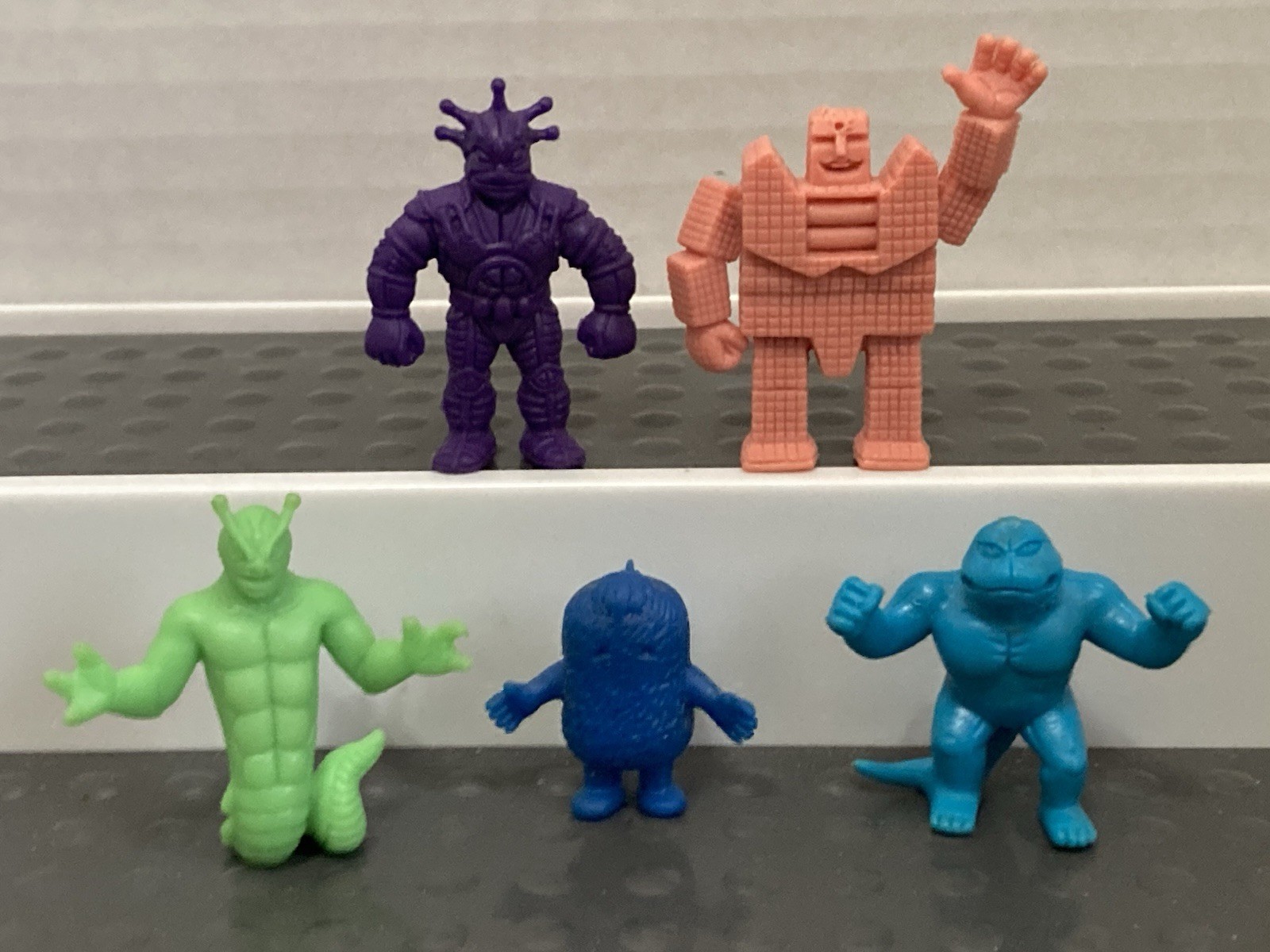


eBay links are affiliate links: JunkPal may earn a commission at no cost to you.
Resale values related to loose parts
Shop loose parts on eBay ↗![Luffy With Thousand Sunny [CCXP22] #114 (Rides)](https://storage.googleapis.com/images.pricecharting.com/guw55tfqc4sv63om/240.jpg)


![Franken Berry [Metallic] #2 (Ad Icons)](https://storage.googleapis.com/images.pricecharting.com/qrurqqrucql2q6ks/240.jpg)
![Freddy Funko As Captain America [250] #SE (Freddy Funko)](https://storage.googleapis.com/images.pricecharting.com/wnkm4m7twu3vzr5r/240.jpg)
JunkPal may earn a commission when you buy through eBay links, at no extra cost to you.
What’s worth the most
Ranked on medians of real closed eBay sales, not asking prices.