What does “loose mint” mean?
What it means
Loose mint describes a toy in factory-fresh, unused condition that is not in its original packaging. The term "loose" is the direct equivalent of "out of box" (OOB). Mint condition means the item exhibits zero signs of playwear, including scuffs, paint chipping, discoloration, or structural damage. This is distinct from "near mint," which allows for minor, acceptable imperfections. While Mint in Box (MIB) commands the highest premium, loose mint is a high-tier condition that allows physical inspection of the toy itself, which is often preferred by advanced collectors over sealed items.
What it does to price
Loose mint items carry a substantial premium over used or played-with versions, but less than MIB. A loose mint figure typically fetches 1.2x to 2.5x the price of a comparable used copy. The price ceiling is heavily dependent on the item's rarity and demand. A minor flaw—a small paint rub on a knee or a slight seam gap—can drop the valuation by 15-30%. Conversely, perfect articulation and flawless paint application can push the price toward the higher end of the range. For a common, mid-tier collectible, the difference between loose mint and used might be $15 to $40.
How to spot it
Spotting true loose mint requires close inspection. Examine all surfaces under strong, direct light for micro-scratches or handling marks. Check articulation points; they should move smoothly without any signs of stress or plastic deformation. Look for factory markings, mold lines, or paint applications that match known production samples for that specific release. Sellers must provide high-resolution photos of the toy’s underside, joints, and any visible print details. Common errors include sellers mislabeling a "near mint" item as "mint," or shipping damage that occurs *after* the item was removed from the box.
Buying smart
Paying a premium for loose mint is justified when the toy is a high-demand, rare piece, or when the buyer specifically requires the ability to inspect articulation or paint quality before committing. It is not worth the premium for common, low-value items where the cost difference is minimal. A fair deal involves a price that is significantly lower than the established MIB market price, reflecting the buyer accepting the lack of original packaging. If the asking price is within 10% of the MIB price, the premium is likely too high.
Selling smart
To maximize value, the listing must unequivocally prove the "mint" aspect. The single most effective element in a listing is a dedicated, high-resolution photo showing the toy's joints and paintwork in sharp focus. Use descriptive language that avoids hyperbole; instead of "perfect," use "factory-fresh," "unplayed," or "flawless." Clearly state that the item is OOB. This level of proof shifts the item from a speculative listing to a verifiable asset, allowing the seller to command the upper end of the loose mint price bracket.
On eBay right now
Current asking prices from live listings — not sold-comp medians.
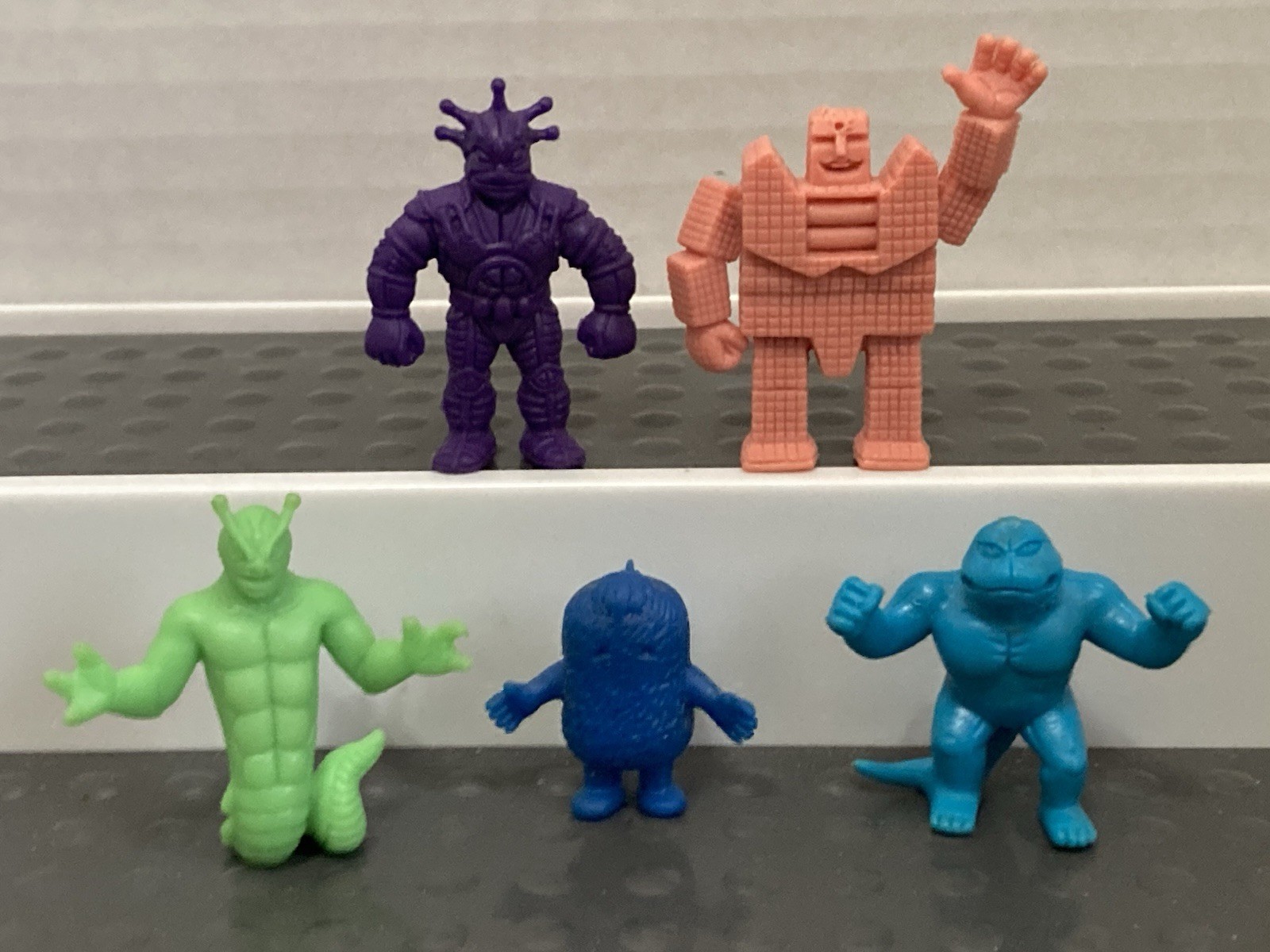


eBay links are affiliate links: JunkPal may earn a commission at no cost to you.
Resale values related to loose mint
Shop loose mint on eBay ↗![Freddy Funko As Star-Lord [Blacklight] #SE (Freddy Funko)](https://storage.googleapis.com/images.pricecharting.com/66icgzw36lopsd6y/240.jpg)
![Freddy Funko Steve Harrington [With Sunglasses] #SE (Freddy Funko)](https://storage.googleapis.com/images.pricecharting.com/pp6bxaavvzng4b2m/240.jpg)


![Boo Berry [SDCC] #3 (Ad Icons)](https://storage.googleapis.com/images.pricecharting.com/lupnikjhlcyagzyx/240.jpg)
![Freddy Funko [SDCC Blue Ranger] #SE (Freddy Funko)](https://storage.googleapis.com/images.pricecharting.com/rzfe2c2kkvudftqr/240.jpg)
![Freddy Funko As The Penguin [Blacklight] #SE (Freddy Funko)](https://storage.googleapis.com/images.pricecharting.com/ceifka7n5bbqray5/240.jpg)
JunkPal may earn a commission when you buy through eBay links, at no extra cost to you.
What’s worth the most
Ranked on medians of real closed eBay sales, not asking prices.