What does “loose figure grade” mean?
What it means
Loose figure grade is the condition assessment applied to an action figure or collectible that lacks its original packaging. This is the standard industry method for quantifying a figure's physical state outside of a sealed environment. Grading covers specific physical attributes: paint application integrity (chipping, fading), articulation functionality (joint looseness, breakage), surface wear (scuffing, scratching), and accessory completeness. This is the functional equivalent of a standardized condition report for loose items. The grade directly dictates market value; higher grades denote minimal wear and closer approximation to factory-fresh condition, while lower grades indicate significant playwear or damage.
What it does to price
The grade dictates a multiplier against the baseline value of the figure. A high-grade, near-mint loose figure typically commands 1.2x to 2.5x the price of a heavily played-with or damaged version of the same item. Conversely, a figure graded "Poor" or "Damaged" may sell for 20% to 40% of the expected value. Minor flaws, like a small paint chip on a non-visible area, might only reduce value by 5-10%. A noticeable seam crack on a major joint can easily drop the price by $20 to $50, depending on the figure's rarity.
How to spot it
Assessment requires close inspection of multiple areas. Check articulation points for stress marks or looseness. Examine paint applications under bright light for overspray or chipping, particularly on edges. Accessories must be checked for stress fractures or missing small parts (e.g., tiny weapons or hands). Sellers must provide high-resolution, well-lit photos showing the figure from all angles, including close-ups of joints and any visible paintwork. Common errors include mislabeling a "Good" grade as "Very Good," or failing to disclose minor cosmetic damage, which is often an honest oversight rather than a deliberate fake.
Buying smart
Paying a premium for a high-grade loose figure is justified when the figure is rare, highly sought after, or intended for display purposes where cosmetic perfection matters. If the figure is common or intended for play, the premium is rarely worth the cost. A fair deal involves the seller accurately matching the grade description to the visual evidence. If a seller claims "Excellent" but the photos show significant paint wear, the price is inflated. A reasonable purchase means the perceived condition matches the quoted grade within a 10% margin of error.
Selling smart
Accurately documenting the grade is the primary driver of realized sale price. Listing a figure as "Mint Loose" when it has minor scuffs will attract buyers willing to pay the top tier price. The single most valuable element in a listing is a detailed photo carousel that visually proves the assigned grade. If the grade is "Very Good," the photos must show the wear clearly but confirm it is superficial, not structural. Honesty in grading builds buyer trust, leading to fewer returns and higher conversion rates.
On eBay right now
Current asking prices from live listings — not sold-comp medians.
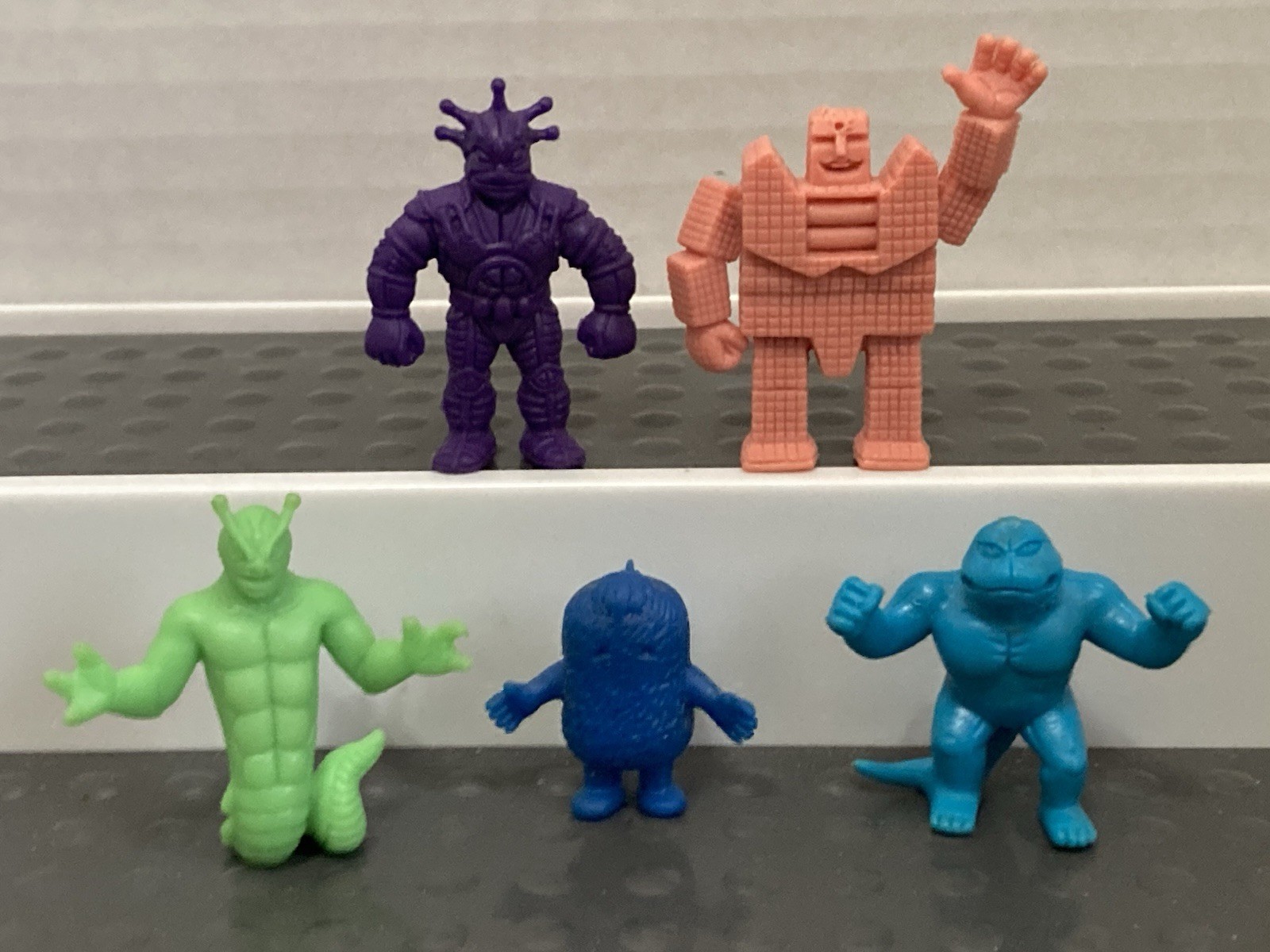


eBay links are affiliate links: JunkPal may earn a commission at no cost to you.
Resale values related to loose figure grade
Shop loose figure grade on eBay ↗![Buzz Lightyear With Zurg [GITD 9-Inch] (Disney)](https://storage.googleapis.com/images.pricecharting.com/kwzwnb4htg5avzxx/240.jpg)
![Lil' Gruesome [Orange Black Suit] #40 (Animation)](https://storage.googleapis.com/images.pricecharting.com/dlofh6rwett6jaaw/240.jpg)
![The Flash [Metallic Fall Convention] #10 (Heroes)](https://storage.googleapis.com/images.pricecharting.com/hct7lvedfneqczzl/240.jpg)
![Notorious B.I.G. [Metallic] #18 (Rocks)](https://storage.googleapis.com/images.pricecharting.com/n3vtaeecxxnnmxdw/240.jpg)
![Harley Quinn [Silver] #45 (Heroes)](https://storage.googleapis.com/images.pricecharting.com/gqigvkupdptxzpst/240.jpg)

![Spider-Man [Metallic] #45 (Marvel)](https://storage.googleapis.com/images.pricecharting.com/7dplwirca2ce3vda/240.jpg)
JunkPal may earn a commission when you buy through eBay links, at no extra cost to you.
What’s worth the most
Ranked on medians of real closed eBay sales, not asking prices.