What does “loose” mean?
What it means
"Loose" refers to a toy or collectible that is not in its original manufacturer packaging. This is the standard term used in the collecting niche. The mainstream equivalent is "out of box" or "loose item." The status of being loose does not automatically define value; it only defines the absence of packaging. A loose item must be assessed on its own merits—completeness, condition, and rarity—separate from the packaging it lacks.
What it does to price
Generally, a loose item commands a lower price than its sealed counterpart. A comparable, graded, or Mint-in-Box (MIB) copy typically fetches 1.5 to 3 times the price of a comparable loose item, depending on the toy line's market saturation. Factors that drive the price up include full accessory sets, original tags (if applicable), and pristine paint/plastic condition. Factors that drive the price down include missing parts, heavy surface scratches, or evidence of play wear. For example, a loose action figure missing its original hands might sell for $15 less than a complete, loose version.
How to spot it
The primary tell is the absence of the original box, blister card, or protective plastic clamshell. When evaluating condition, look for stress marks on plastic joints, paint chipping (especially on high-wear areas like knees or elbows), and fading. Sellers should provide high-resolution photos showing the item from all angles. Common issues include "parts creep"—where small accessories detach and are lost—and "shelf wear," which is minor scuffing from being displayed. Buyers must confirm if the item is factory-original or a reproduction.
Buying smart
Paying a premium for a loose item is justifiable when the item is extremely rare, highly sought after, or when the packaging is severely damaged or missing entirely. If the toy itself is a modern, common release, the price differential between loose and boxed is usually not worth the risk unless the condition is near-perfect. A fair deal for a loose item is one where the asking price reflects the condition grade (e.g., "Excellent Play Condition") and accounts for the lack of packaging, usually settling in the 60-80% range of the MIB equivalent.
Selling smart
Listing a loose item requires absolute transparency regarding its condition. Buyers pay more for documented condition. The single most valuable piece of evidence is a close-up photograph clearly showing any existing flaws—scratches, paint rubs, or missing pieces. Using precise descriptive language, such as "Near Mint, minor scuffing on left boot," rather than vague terms like "Good," allows the seller to anchor the price accurately. Detailed photos prevent disputes over condition upon arrival.
On eBay right now
Current asking prices from live listings — not sold-comp medians.

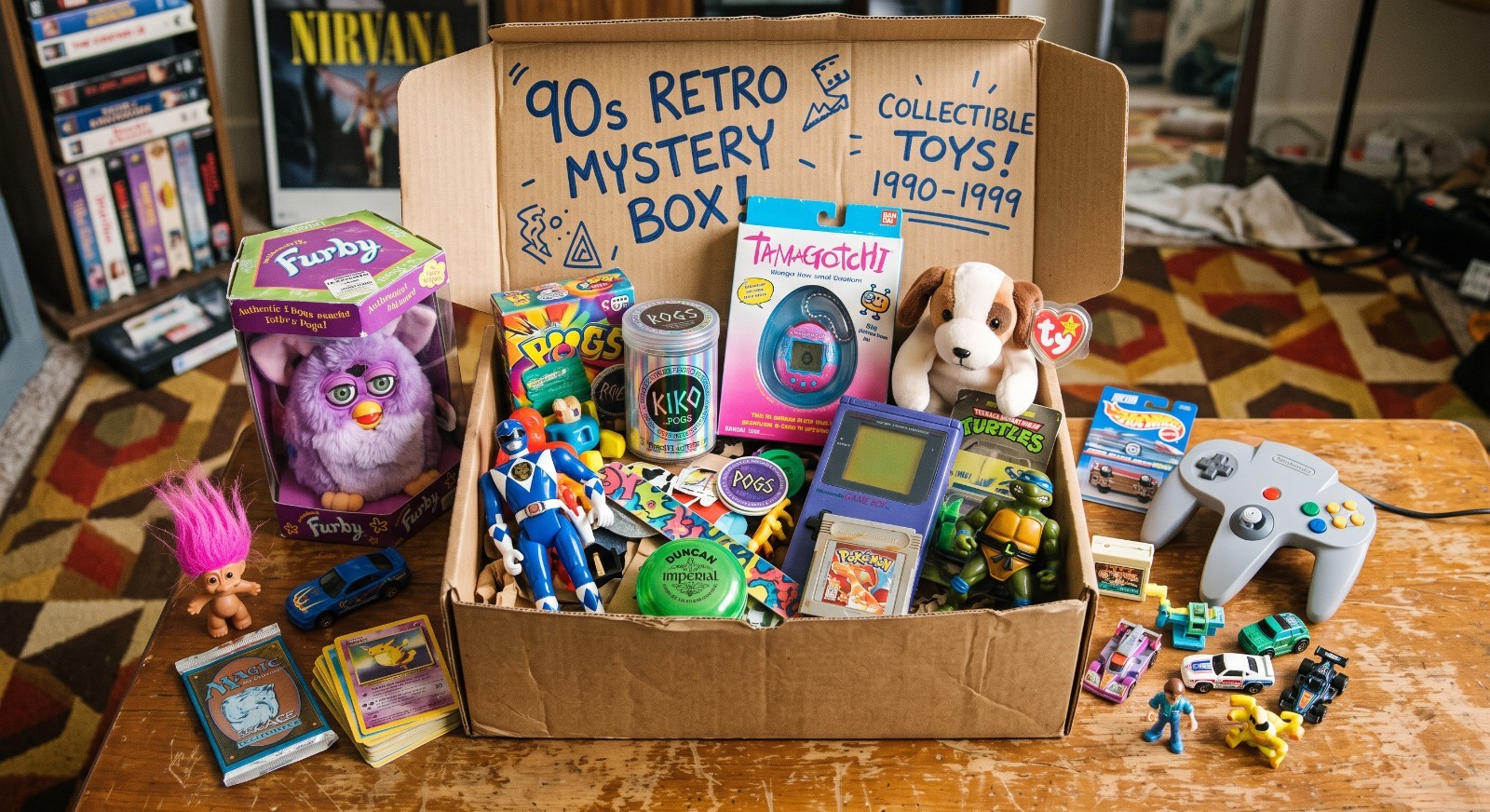

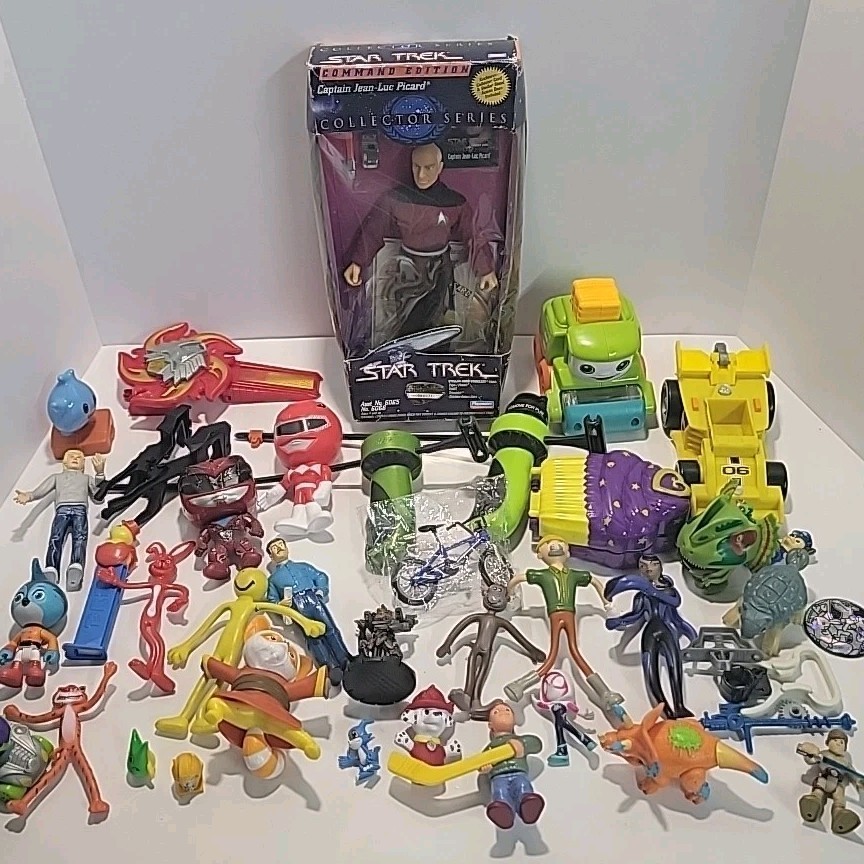
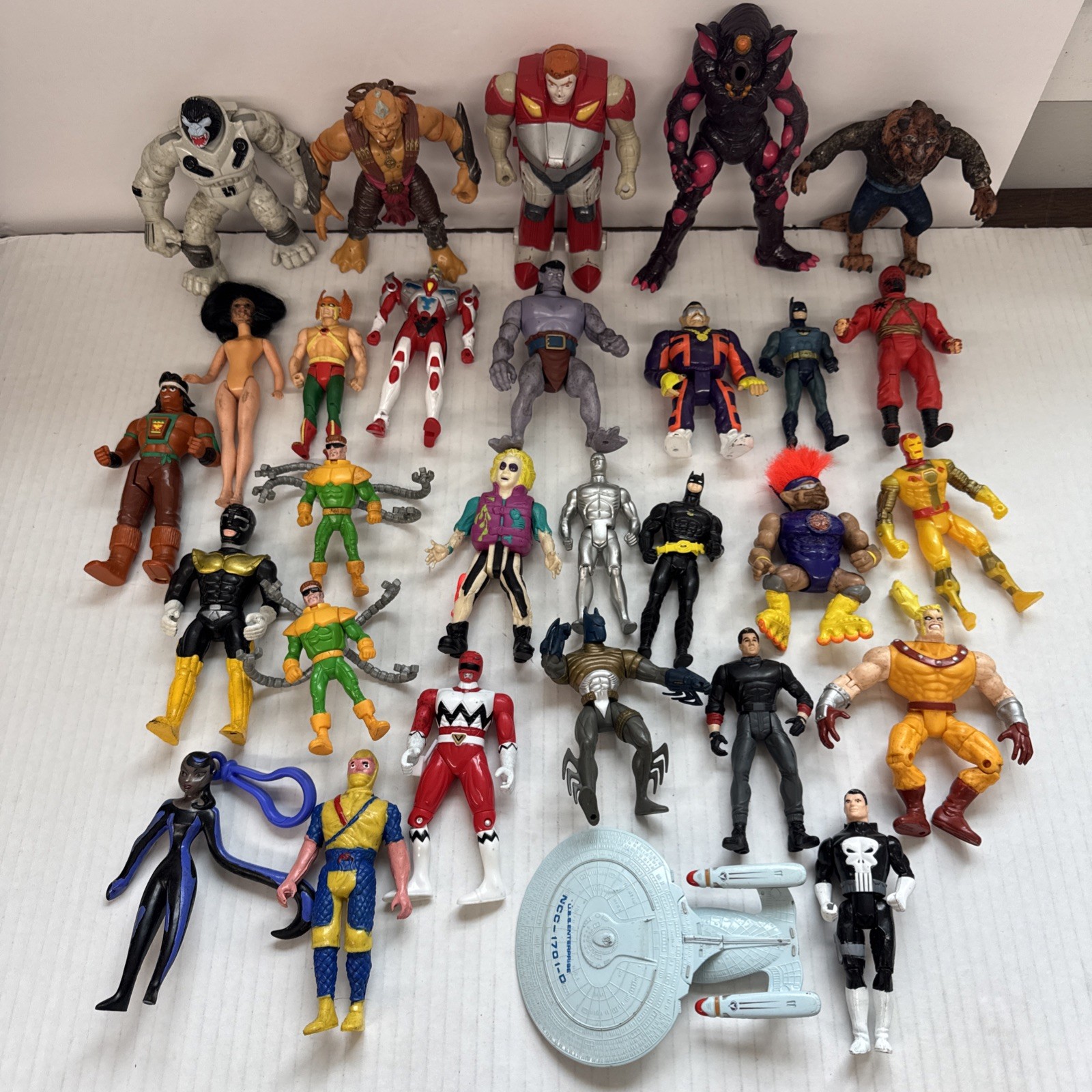
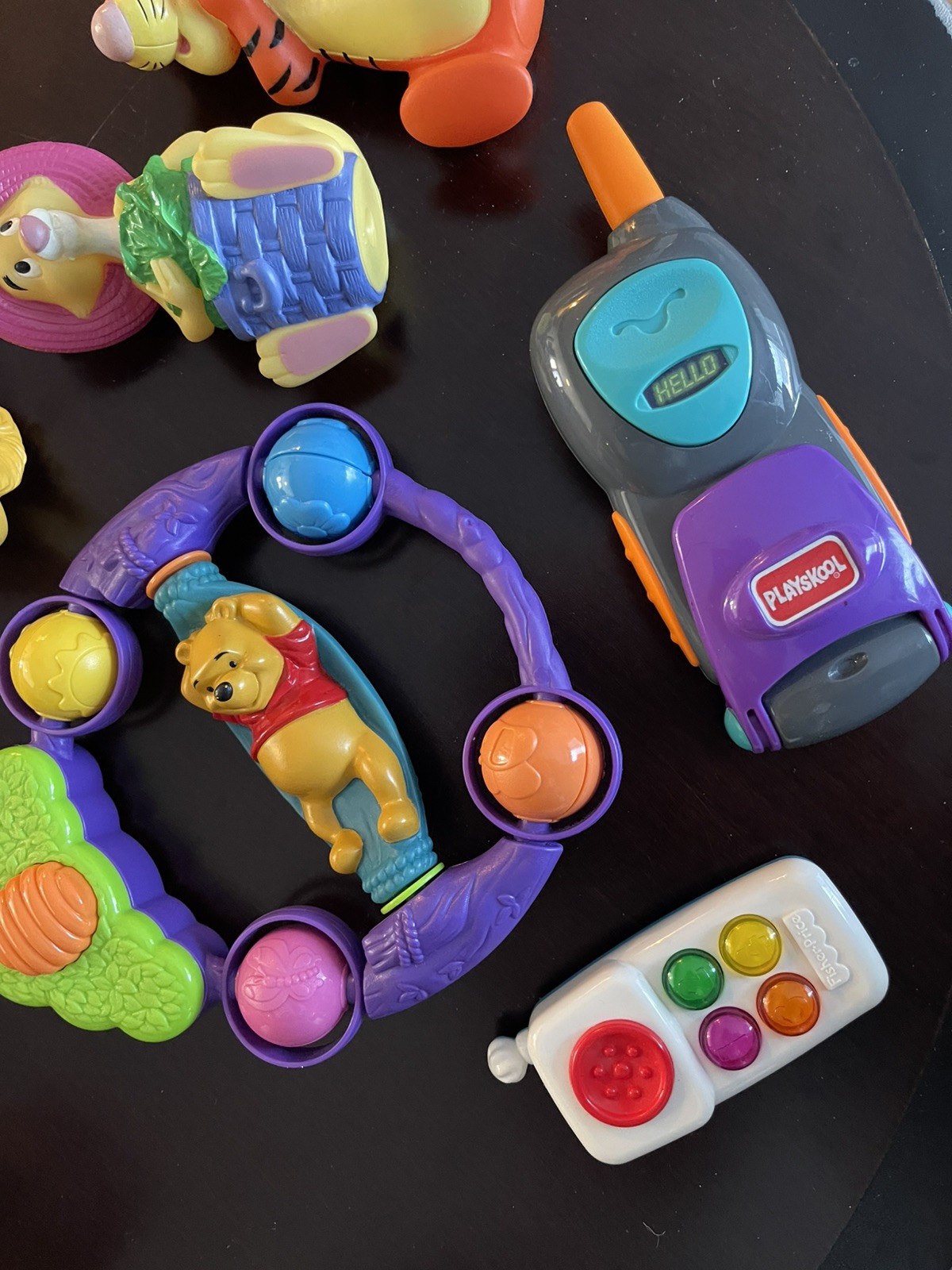
eBay links are affiliate links: JunkPal may earn a commission at no cost to you.
Resale values related to loose
Shop loose on eBay ↗

![Beast [Flocked] #21 (Marvel)](https://storage.googleapis.com/images.pricecharting.com/yvoycgcknzf2xrfu/240.jpg)
![Martian Manhunter [Metallic] #18 (Heroes)](https://storage.googleapis.com/images.pricecharting.com/obmgxln52wkhzrkb/240.jpg)
![Winged Monkey [Metallic] #9 (Movies)](https://storage.googleapis.com/images.pricecharting.com/k2nhg6kqbxpf5c2f/240.jpg)
![Andy Dwyer [Fugitive Toys 500] #533 (Television)](https://storage.googleapis.com/images.pricecharting.com/7kkbiohjl6bacja3/240.jpg)

JunkPal may earn a commission when you buy through eBay links, at no extra cost to you.
What’s worth the most
Ranked on medians of real closed eBay sales, not asking prices.