What does “late production” mean?
What it means
Late production refers to items manufactured near the conclusion of a specific product run or during a distinct, often smaller, manufacturing window. This is not simply an item made at the end of a year; it denotes a specific phase within a series' lifecycle. The significance lies in potential manufacturing shifts. These shifts can include revised tooling, changes in plastic composition, updated graphic designs on packaging, or alterations to paint application techniques. For the reseller, this means the item is not just a standard version; it is a specific, traceable variant within the production history of the toy line.
What it does to price
Late production status introduces variance, not a guaranteed increase. A subtle, documented change (e.g., a specific decal shift) can push a loose item value up 20-50% over the standard release. If the late run was explicitly marketed as a limited edition, the multiplier can reach 2x to 4x the base price. Conversely, if the change is a known, low-impact quality control error that was not intended to be a variant, the price may stagnate or dip slightly. For example, a standard action figure might sell for \$25 loose; a confirmed late-run variant with a unique paint application might fetch \$35-\$40.
How to spot it
Identification relies on meticulous comparison against known production samples. Look for specific identifiers: batch codes stamped on the inner tray, slight variations in the plastic molding texture, or changes in the typeface used on the outer box. Sellers must provide high-resolution photos of the item's underside, packaging seams, and any visible copyright stamps. Common mistakes involve confusing a simple re-release (a new packaging run of an old mold) with a true late production variant (a mold change during the original run). If the change is minor—like a sticker placement shift—it may be an honest production error, not a collectible marker.
Buying smart
Paying a premium for late production is justified only when the variation is documented, verifiable, and carries known collector weight. If the difference is purely aesthetic and undocumented, the premium is speculative risk. A fair deal involves the seller providing clear evidence of the variant status, and the asking price reflecting the documented scarcity, not just the general "late" tag. If the premium exceeds 50% without clear proof of rarity, the item is likely overpriced or misidentified.
Selling smart
Proving the late production status is the primary driver for maximizing return. The listing description must explicitly state the variant type (e.g., "Late Run - Revised Paint Application"). The single most valuable piece of evidence is a close-up, well-lit photograph of the specific identifying mark—be it a mold line difference or a specific batch code—clearly visible on the toy or packaging. This proof shifts the item from a general collectible to a specific, traceable variant, justifying the higher price point.
On eBay right now
Current asking prices from live listings — not sold-comp medians.

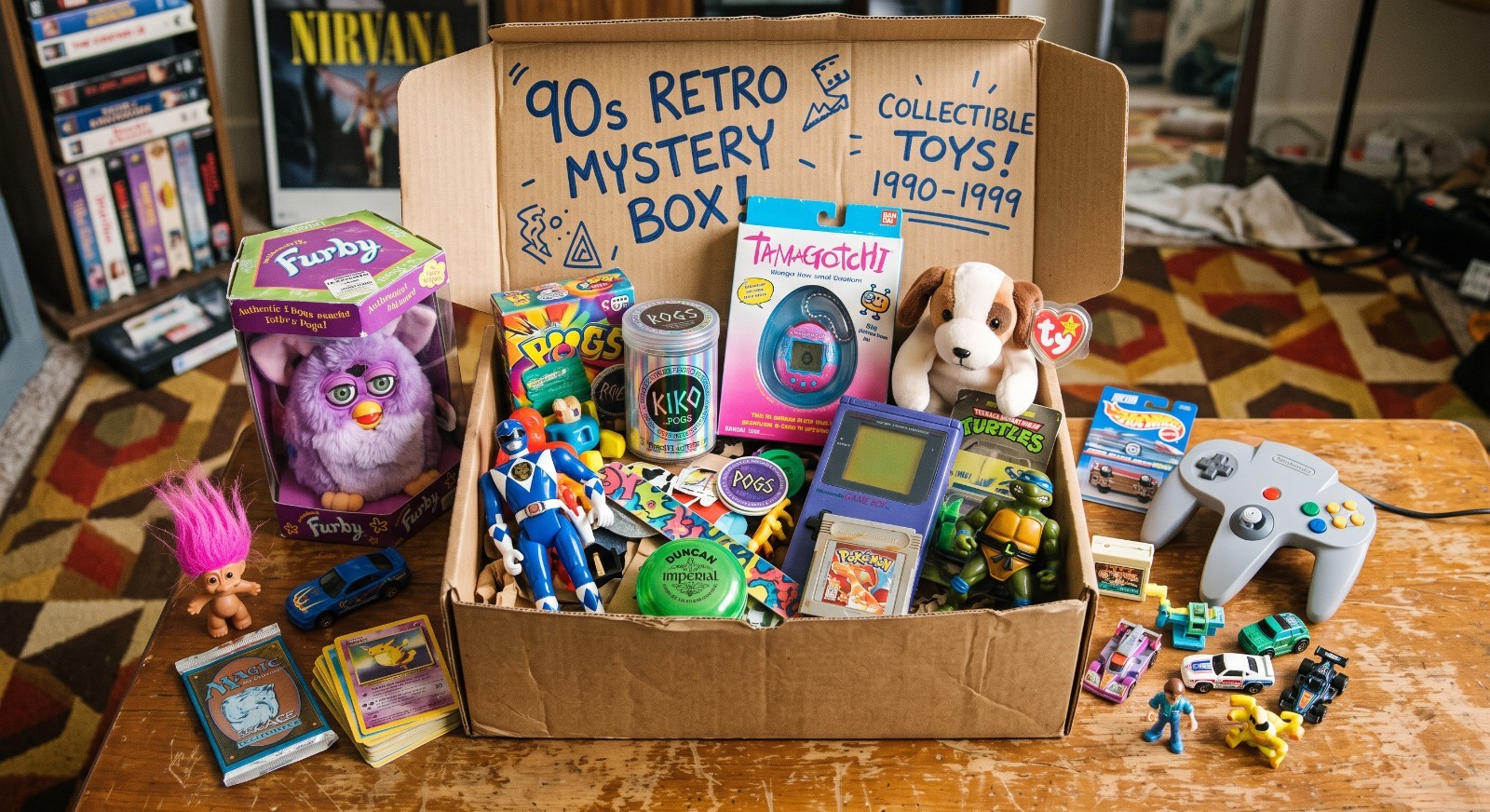

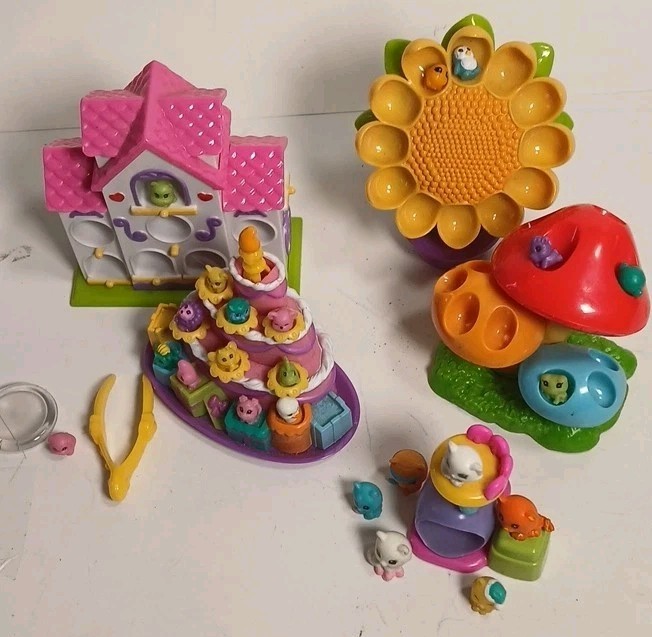

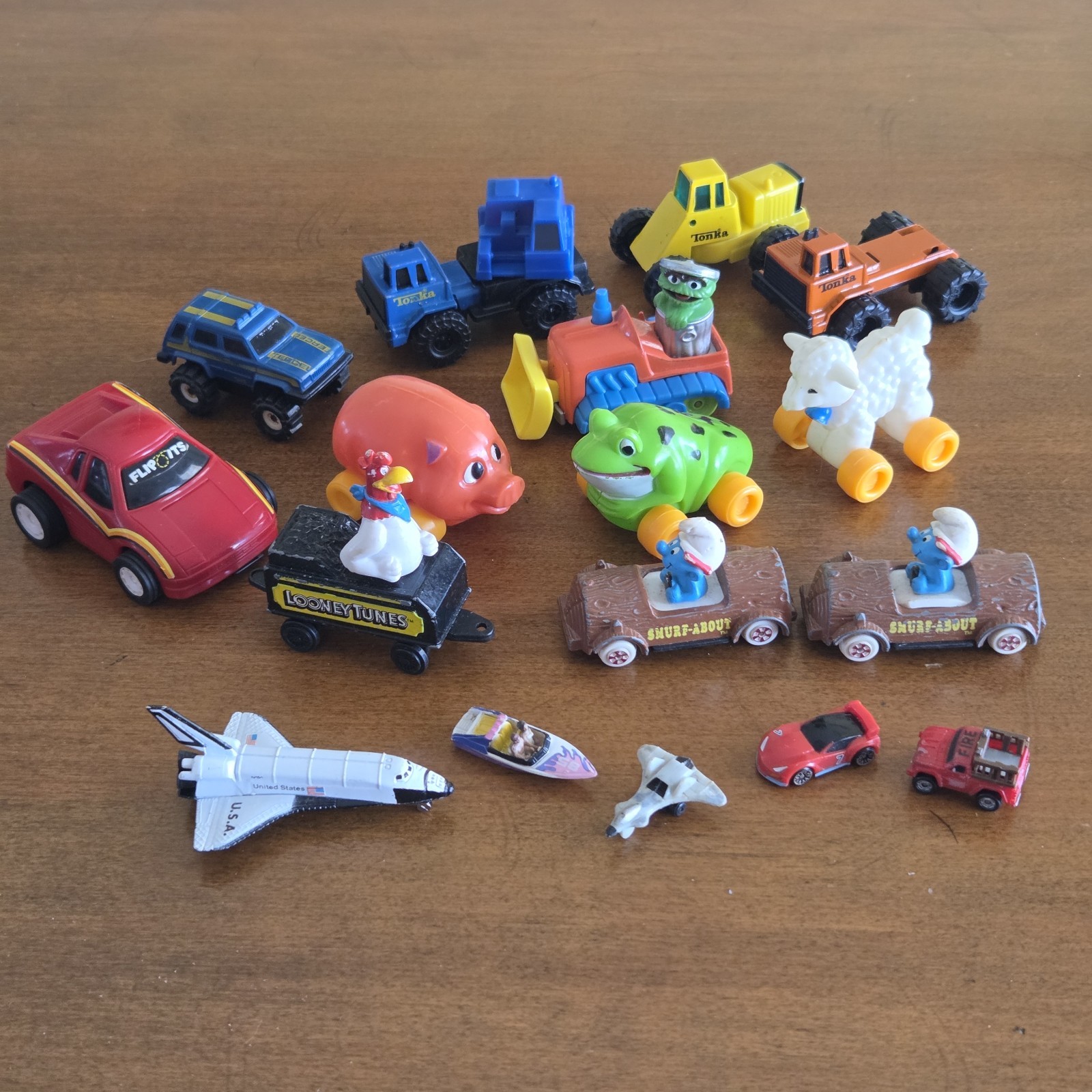
eBay links are affiliate links: JunkPal may earn a commission at no cost to you.
Resale values related to late production
Shop late production on eBay ↗![Beast [Flocked] #21 (Marvel)](https://storage.googleapis.com/images.pricecharting.com/yvoycgcknzf2xrfu/240.jpg)
![Martian Manhunter [Metallic] #18 (Heroes)](https://storage.googleapis.com/images.pricecharting.com/obmgxln52wkhzrkb/240.jpg)
![Winged Monkey [Metallic] #9 (Movies)](https://storage.googleapis.com/images.pricecharting.com/k2nhg6kqbxpf5c2f/240.jpg)
![Andy Dwyer [Fugitive Toys 500] #533 (Television)](https://storage.googleapis.com/images.pricecharting.com/7kkbiohjl6bacja3/240.jpg)

![Freddy Funko As White Ranger [SDCC] #SE (Freddy Funko)](https://storage.googleapis.com/images.pricecharting.com/qvpx6g26q24wi5gi/240.jpg)

JunkPal may earn a commission when you buy through eBay links, at no extra cost to you.
What’s worth the most
Ranked on medians of real closed eBay sales, not asking prices.