What does “international release” mean?
What it means
An "international release" signifies a toy or collectible manufactured and distributed for sale across several distinct global markets. This is distinct from a "regional exclusive," which is limited to one country (e.g., a Japan-only release). The term confirms the item was part of a broader, multi-territory production run. For collectors, this indicates wider initial availability but does not automatically guarantee higher value; the *specific* regional variation within the international run is often the determining factor.
What it does to price
The designation itself provides a baseline for desirability, but the price impact is highly variable. A standard international release will generally trade at parity with its domestic counterpart unless a specific market variant is involved. If a toy is marketed internationally but one specific country's packaging (e.g., a specific European box design) is demonstrably rarer than the standard North American or Japanese version, that specific variant can command a 1.2x to 2.5x premium over the general international release. A common mistake is assuming all international versions are premium; a cheap, mass-market international run will fetch little more than its base value.
How to spot it
Identifying an international release requires examining packaging and product markings. Look for country-specific regulatory stamps, language variations on the instruction manual or box art, and specific distributor logos. The most reliable tell is the copyright or manufacturing block text, which often lists multiple countries of origin or distribution. Sellers should provide high-resolution photos of the back of the box and any visible stickers. A common honest mistake is confusing a toy *sold* internationally with a toy *designed* for a specific international market; the latter may have unique tooling or character variations.
Buying smart
Paying a premium for an international release is justified only when the specific regional variant is confirmed to be scarce or highly desired by a known collector subset. If the seller simply claims "international" without specifying the region or variant, the premium is unwarranted. A fair deal involves pricing the item near its established baseline value, with any added premium directly attributable to verifiable scarcity (e.g., "Rare German Import Variant"). If the price exceeds 30% above the known market average for the base model, further verification of the variant is required.
Selling smart
Listing an item as an "International Release" is useful, but specificity drives profit. A vague listing yields standard pricing. A listing that specifies the exact market (e.g., "International Release - UK Variant") immediately filters buyers and justifies a higher asking price. The single most effective element to include in the listing is a clear, close-up photograph of the country-specific marking or language detail on the packaging. This proof shifts the item from a general collectible to a verifiable variant, attracting higher-tier buyers.
On eBay right now
Current asking prices from live listings — not sold-comp medians.

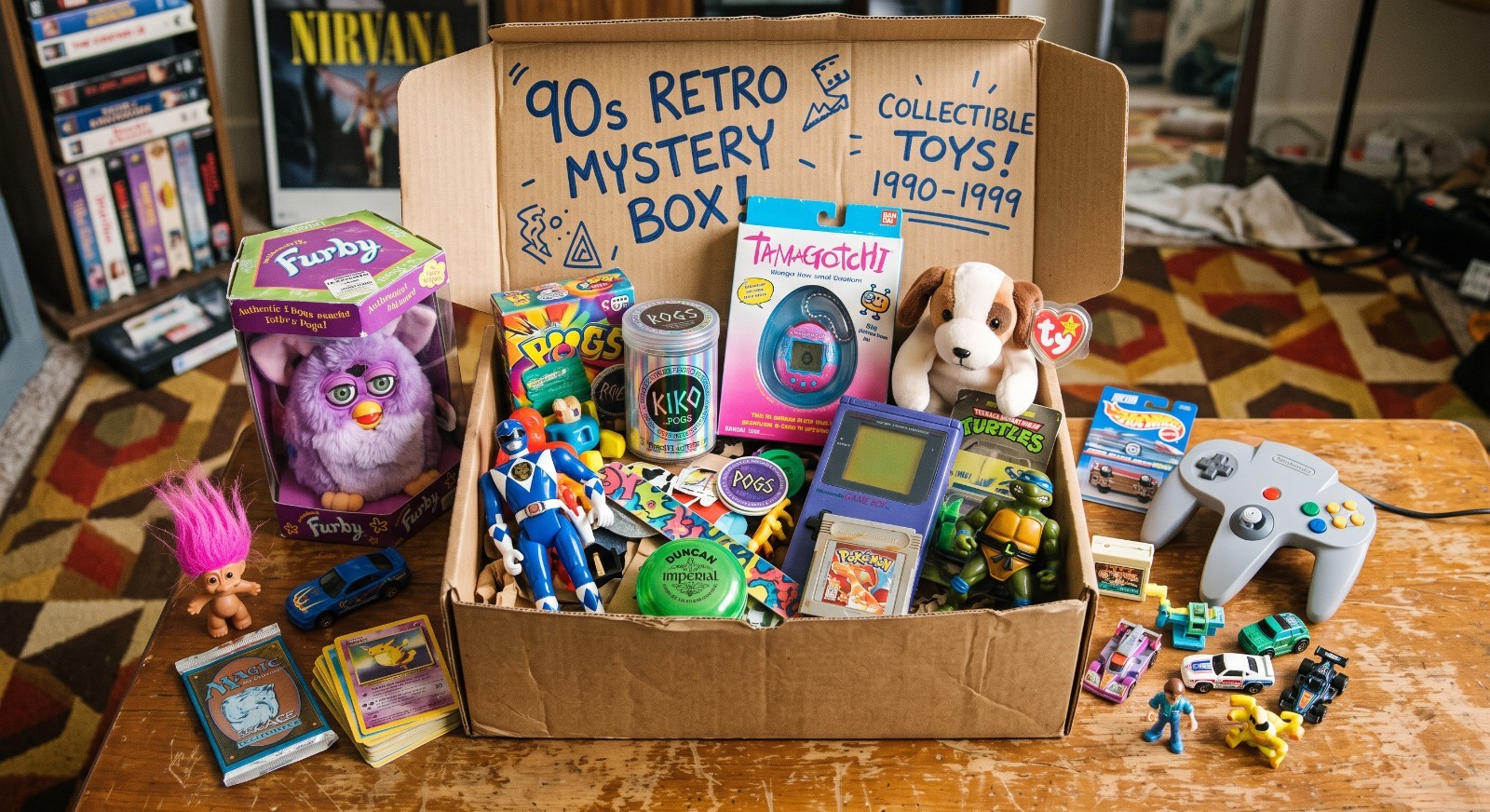

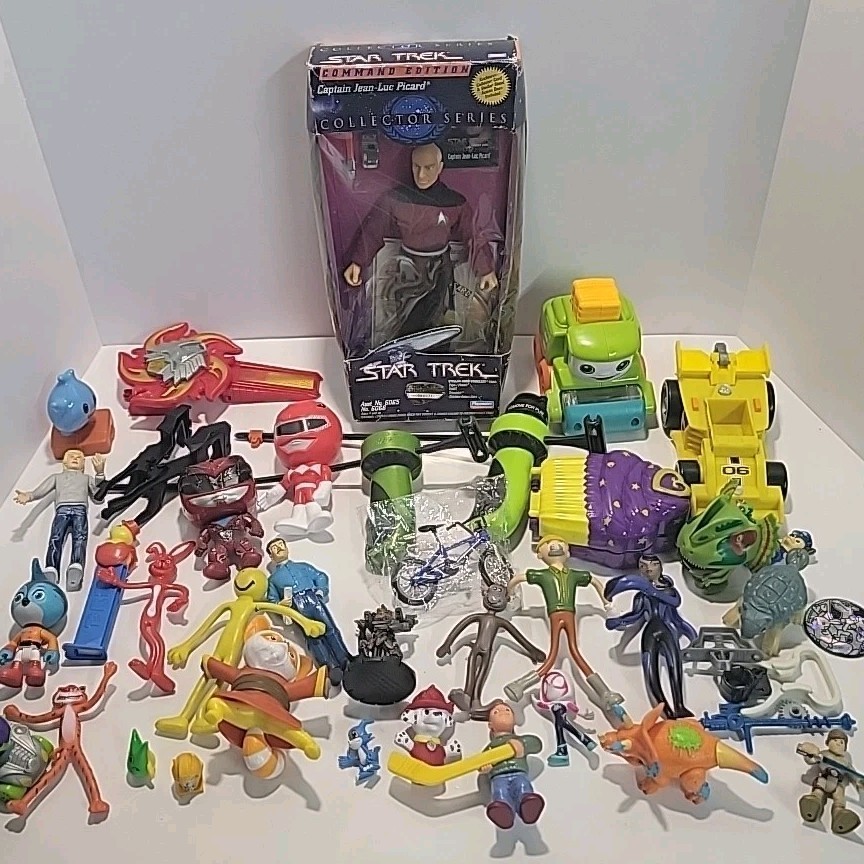


eBay links are affiliate links: JunkPal may earn a commission at no cost to you.
Resale values related to international release
Shop international release on eBay ↗

![Marcus Fenix [SDCC Black Lancer With Head] #112 (Games)](https://storage.googleapis.com/images.pricecharting.com/wfrqtgqrmk4iw7ku/240.jpg)
![Boba Fett 18 [White Prototype] #537 (Star Wars)](https://storage.googleapis.com/images.pricecharting.com/i6mr2loooevy7oew/240.jpg)
![Sloth [Superman Shirt] #76 (Movies)](https://storage.googleapis.com/images.pricecharting.com/guxyemxeq4l5yqh5/240.jpg)
![Superman [NYCC] #7 (Heroes)](https://storage.googleapis.com/images.pricecharting.com/y6y54wdnsavjfaik/240.jpg)
![The Catman [GITD] #7 (Rocks)](https://storage.googleapis.com/images.pricecharting.com/4aez4z66v2lgfupn/240.jpg)
JunkPal may earn a commission when you buy through eBay links, at no extra cost to you.
What’s worth the most
Ranked on medians of real closed eBay sales, not asking prices.