What does “import toy” mean?
What it means
An "import toy" is any manufactured item sourced from a country other than the primary retail market where it is being sold. For example, a Japanese-market release sold in North America is an import. This term is not synonymous with "bootleg" or "counterfeit"; it refers strictly to the country of origin. The distinction matters because regional variations exist—different packaging designs, localized paint applications, or exclusive tooling specific to certain international markets. The mainstream equivalent is simply "foreign release."
What it does to price
Origin can create a moderate price modifier. A standard domestic release might sell for $X. An import version of the same toy, if it is a confirmed, official regional variant, can command a 1.2x to 2.5x premium over the domestic counterpart, provided the variant is desirable. If the import is a known, limited-run regional exclusive (e.g., a specific Japanese-exclusive colorway), the multiplier can exceed 3x. Conversely, if the import is a mass-market version with no discernible regional difference, it adds no value and may even detract if the packaging is unfamiliar to local buyers. A simple example: a common action figure sold domestically for $20 might sell for $35 as a confirmed, sought-after European import.
How to spot it
The primary identifier is the country of origin markings, usually found on the bottom of the packaging, the blister card, or sometimes molded into the plastic of the toy itself. Look for language on the packaging that is not the primary market language. For example, Japanese packaging will feature Kanji/Kana characters prominently. Sellers should provide high-resolution photos of the back of the box and the interior plastic tray. Be wary of "grey market" imports; these are often simply cheaper versions sold through unofficial channels, which may lack the quality control of official releases.
Buying smart
Paying a premium for an import is justified only when the regional variation offers a demonstrable, verifiable benefit—such as an exclusive accessory, a unique paint scheme, or a known scarcity factor. If the import is merely the same toy repackaged for a different country without any discernible difference, the premium is unwarranted. A fair deal involves the asking price being within 20% of the established market value for that specific regional variant. If the price exceeds 30% without clear evidence of scarcity, the purchase is likely inflated.
Selling smart
Proving the import status directly enhances listing appeal and justifies a higher asking price. The most effective evidence is a clear, well-lit photograph of the country of origin sticker or text on the original packaging. Listing the specific region (e.g., "UK Import," "Japan Exclusive") in the title or description immediately targets collectors interested in that specific variant. This specificity transforms the item from a generic toy into a documented regional collectible, allowing for the application of the higher price multipliers discussed previously.
On eBay right now
Current asking prices from live listings — not sold-comp medians.

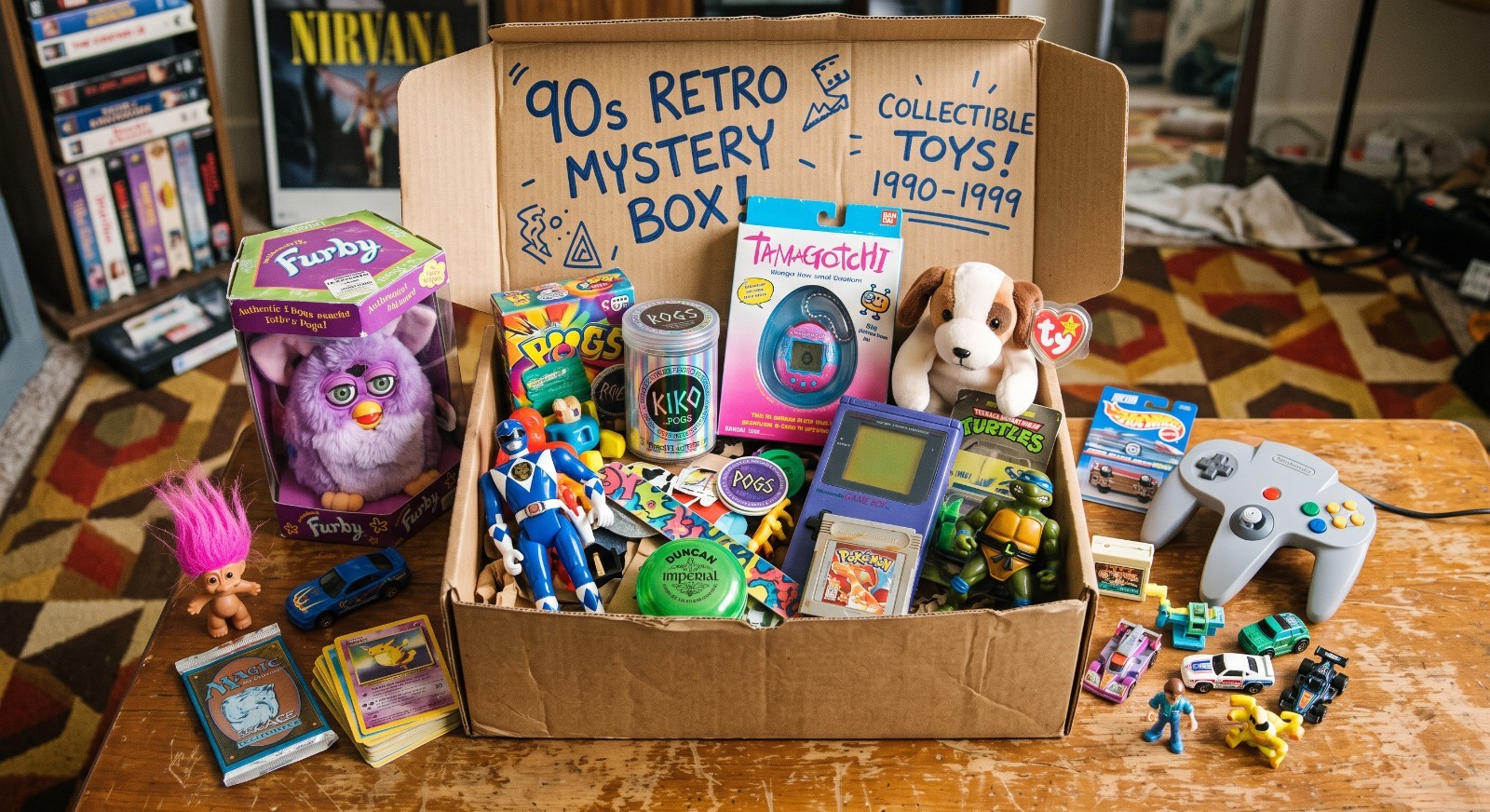

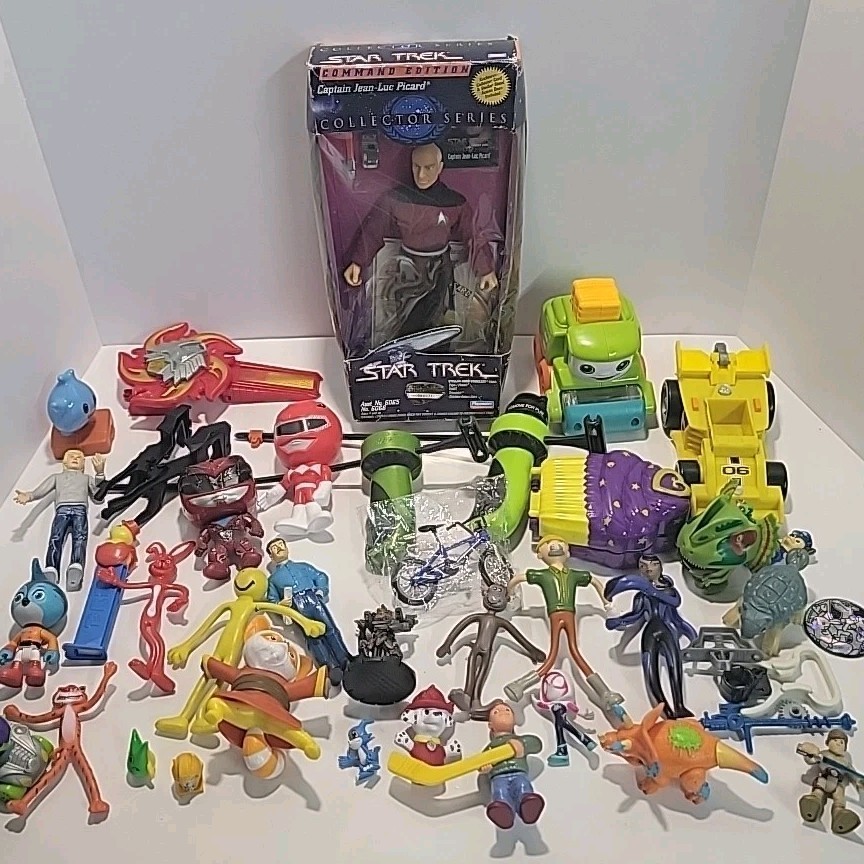


eBay links are affiliate links: JunkPal may earn a commission at no cost to you.
Resale values related to import toy
Shop import toy on eBay ↗
![Freddy Funko As Shipwreck [GITD] #SE (Freddy Funko)](https://storage.googleapis.com/images.pricecharting.com/djflr6rhgusz3nxw/240.jpg)

![The Wolf Man [Summer Convention Flocked] #114 (Movies)](https://storage.googleapis.com/images.pricecharting.com/a3b2a7scqharvs77/240.jpg)
![Sorcerer Mickey & Chernabog [SDCC] (Disney)](https://storage.googleapis.com/images.pricecharting.com/ncrhkjmw5jywsizm/240.jpg)

![Reverse Flash [GITD] #39 (Heroes)](https://storage.googleapis.com/images.pricecharting.com/ehednla3eklswjht/240.jpg)
JunkPal may earn a commission when you buy through eBay links, at no extra cost to you.
What’s worth the most
Ranked on medians of real closed eBay sales, not asking prices.