What does “full set” mean?
What it means
"Full set" means the item possesses every original component, accessory, and piece supplied by the manufacturer for that specific product run. This is not merely having the main figure or vehicle; it requires all documented parts. If a product came with a specific instruction manual, a unique stand, or a small, branded card, those items must be present. The mainstream equivalent is "complete," but in collecting, "full set" implies the *original* intended configuration, not just functional completeness. Missing any documented piece, regardless of size, voids the "full set" designation and lowers the item's status.
What it does to price
Completeness acts as a significant, quantifiable value driver. A loose, incomplete item might sell for baseline value (1x). A verifiable, full set typically commands a 1.5x to 3x multiplier over its loose counterpart, depending on the item's rarity. The presence of original packaging (Boxed/Mint) pushes this multiplier toward the higher end. For example, a rare action figure missing its original weapon might sell for $50 loose, whereas the same figure with all accessories and the original box can fetch $120–$150. Missing one small, documented piece, like a specific decal sheet, can cause a 20-30% price drop from the full-set premium.
How to spot it
Verification requires cross-referencing the item against official product listings, instruction manuals, or known collector databases for that specific SKU. Sellers must provide high-resolution photos of all included parts, laid out individually. Look for specific edition markers or production codes on the packaging or accessories; these confirm the exact version being sold. Common errors include sellers claiming "full set" when they omit minor, easily overlooked pieces (e.g., small plastic tabs or paperwork). Fakes often omit the fine printing details found on original instruction booklets.
Buying smart
Paying a premium for a full set is justified when the item is rare, highly sought after, or when the main figure/vehicle itself is already high-value. If the item is common or easily replaceable, the premium for completeness may not outweigh the cost of acquiring the missing piece separately. A fair deal for a high-tier collectible is when the price premium for completeness is less than 30% of the total asking price, assuming the packaging condition is acceptable. If the seller is asking for an excessive premium solely for completeness, the risk of overpaying is high.
Selling smart
Listing an item as a "full set" immediately qualifies it for the highest tier of buyer interest and pricing. The single most effective element to prove this status is a photograph showing *all* components laid out together, ideally next to the original box or packaging. A simple, clear declaration in the description—"Verified Full Set, Includes [List 3 Key Accessories]"—is crucial. This preempts buyer questions and establishes immediate trust, allowing the seller to command the maximum market rate without negotiation friction.
On eBay right now
Current asking prices from live listings — not sold-comp medians.

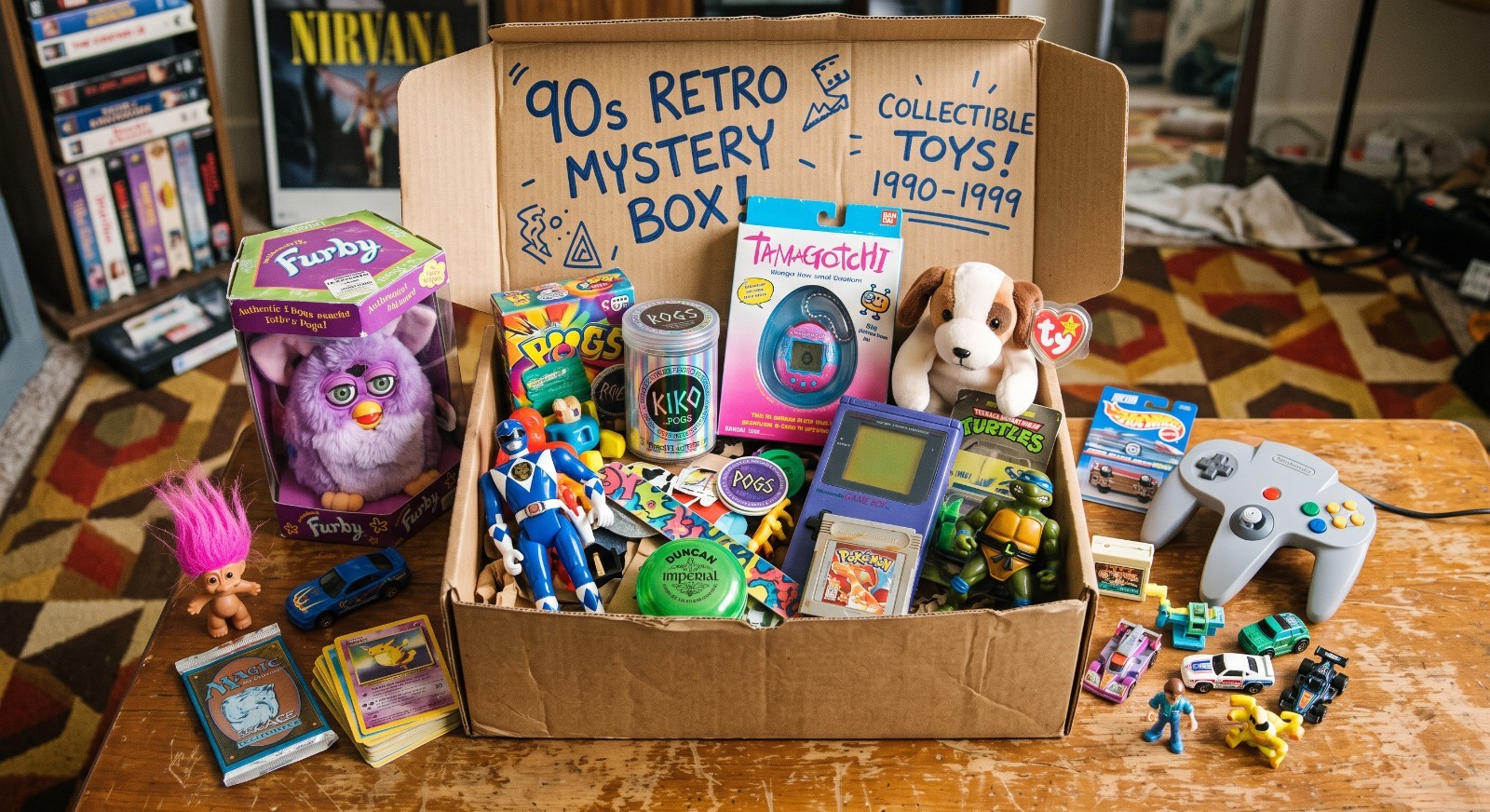

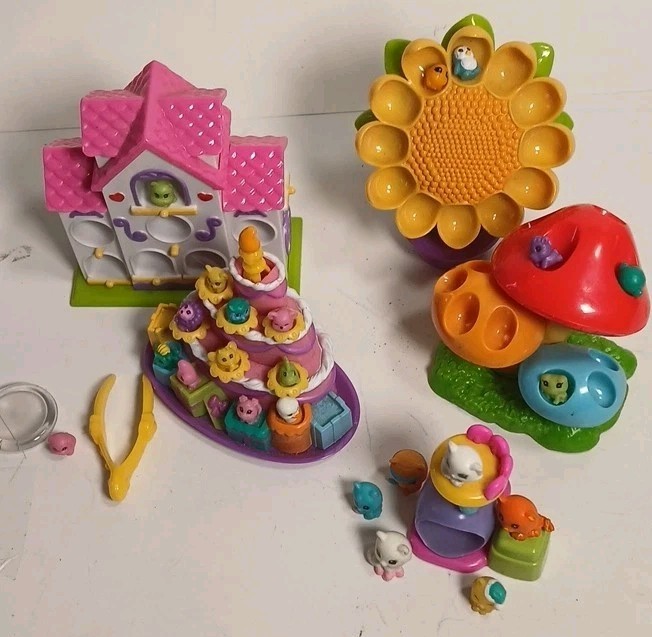

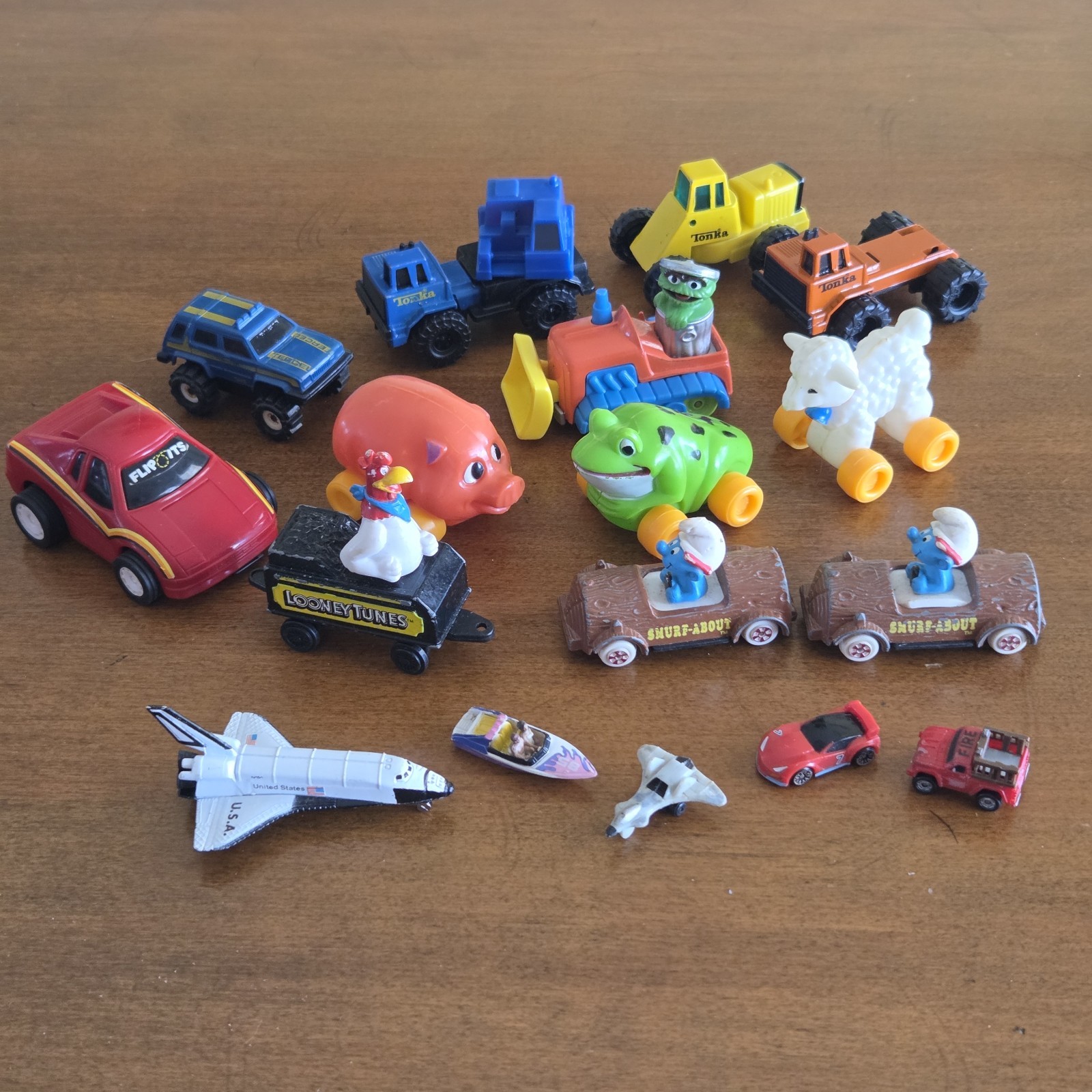
eBay links are affiliate links: JunkPal may earn a commission at no cost to you.
Resale values related to full set
Shop full set on eBay ↗
![Billy [GITD SDCC] #52 (Movies)](https://storage.googleapis.com/images.pricecharting.com/fa3pxsuhvgaziukq/240.jpg)
![Freddy Funko As Chuckie [Purple Reptar] #SE (Freddy Funko)](https://storage.googleapis.com/images.pricecharting.com/44ekoa3vkmi47z5t/240.jpg)
![Count Chocula [Metallic] #1 (Ad Icons)](https://storage.googleapis.com/images.pricecharting.com/5ikn7jxdbsheixqw/240.jpg)

![Rey Mysterio [Black Mask] #6 (Wwe)](https://storage.googleapis.com/images.pricecharting.com/rv3l34vrvdhecvrt/240.jpg)
![Brook [NYCC] #358 (Animation)](https://storage.googleapis.com/images.pricecharting.com/xdme4xm2ktocxxz2/240.jpg)
![Murloc [Green, GITD] #33 (Games)](https://storage.googleapis.com/images.pricecharting.com/b4gnqe4yood3rou5/240.jpg)
JunkPal may earn a commission when you buy through eBay links, at no extra cost to you.
What’s worth the most
Ranked on medians of real closed eBay sales, not asking prices.