What does “first run” mean?
What it means
"First run" designates the absolute initial manufacturing sequence of a toy or collectible. This is not merely an early production batch, but the very first items produced before the manufacturer implemented tooling changes, design revisions, or production line adjustments. In the collecting niche, this term signifies the item’s primary historical iteration. Mainstream equivalent: Original release version. The value driver is the inherent scarcity of the earliest output, which often retains manufacturing quirks—such as specific paint application inconsistencies, uncorrected mold imperfections, or unique packaging proofs—that were corrected in subsequent, mass-produced runs.
What it does to price
First run status introduces a significant scarcity premium. Depending on the item's overall market tier, a confirmed first run can command a 2x to 5x multiplier over a standard, later-run equivalent in similar condition. For a mid-tier action figure, a confirmed first run might fetch $150 when the standard version sells for $50. Factors pushing the price up include documented production codes or packaging variations. Factors pulling the price down include evidence of later tooling being used, even if the item appears similar.
How to spot it
Verification relies on specific production identifiers. Check for unique mold markings, early copyright dates on packaging, or specific color variations that were phased out. For vinyl toys, inspect the base for unique casting marks. For packaging, look for specific UPC codes or print runs visible on the card backing. Sellers must provide high-resolution photos of these specific areas. Common pitfalls include "early variant" items, which are close but not the absolute first production run. Always request photos of the item's underside or interior packaging components.
Buying smart
Paying a premium for a first run is justified when the item is a high-demand, low-supply piece, and the documented evidence of its first-run status is verifiable. If the premium exceeds 4x the standard price without clear, documented proof of initial release, the risk outweighs the reward. A fair deal involves a price that reflects the documented scarcity, typically landing within the 2x to 3x range for established, desirable lines. If the seller relies only on subjective appearance, the price is likely inflated.
Selling smart
Listing an item as a confirmed first run fundamentally changes its perceived value. The inclusion of documentation—such as a factory invoice snippet, a photo showing a specific early tooling mark, or a collector-verified provenance report—justifies the top end of the market range. The single most valuable asset in a listing is a clear, close-up photograph of the specific identifying mark or packaging proof that confirms the initial production status. This visual evidence converts a speculative listing into a verifiable, high-value asset.
On eBay right now
Current asking prices from live listings — not sold-comp medians.

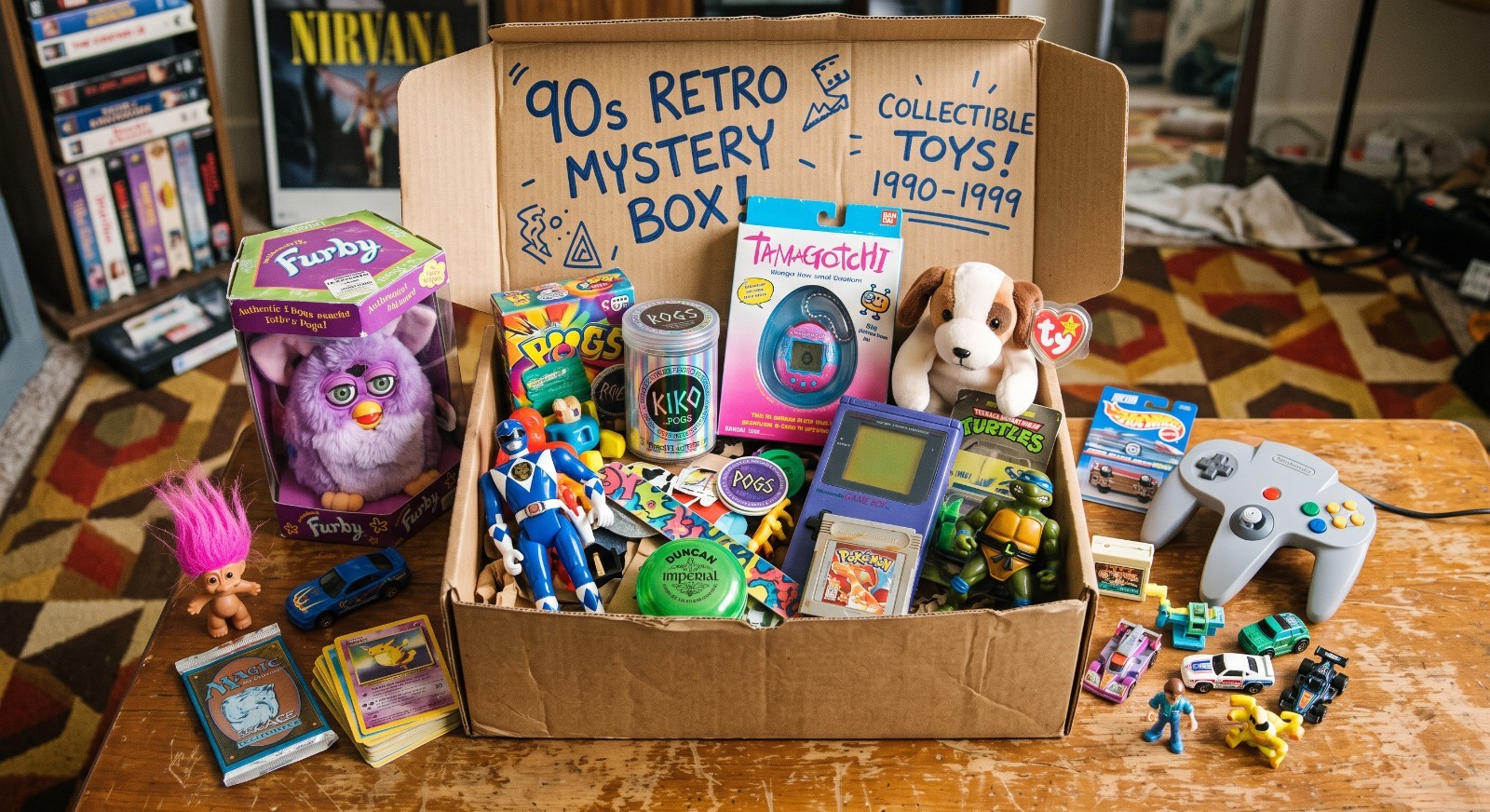

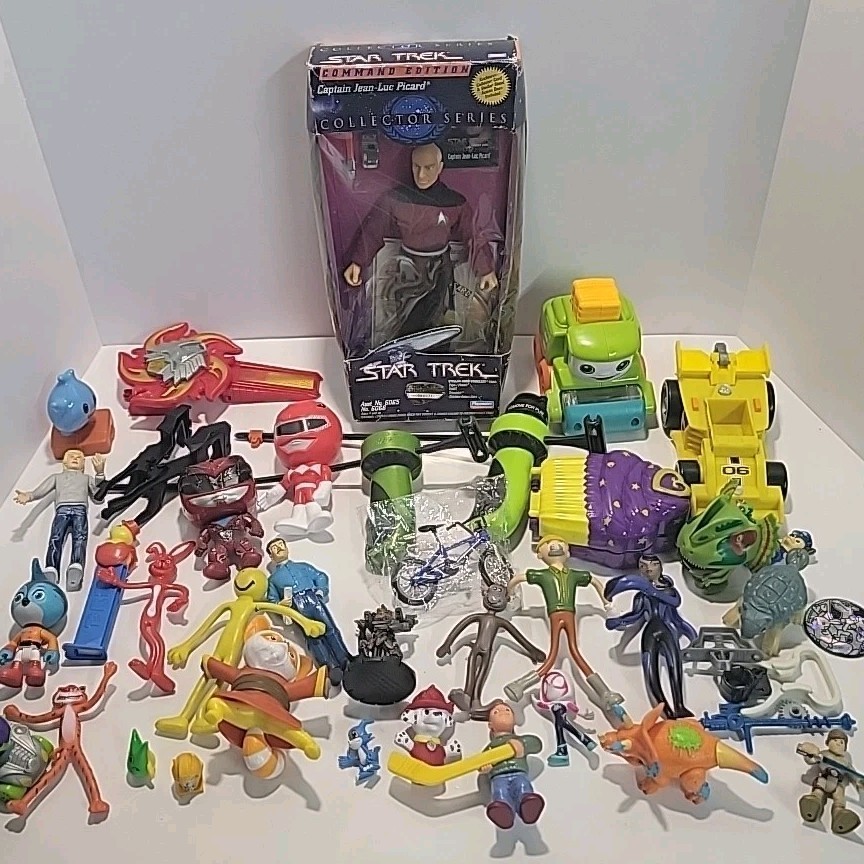


eBay links are affiliate links: JunkPal may earn a commission at no cost to you.
Resale values related to first run
Shop first run on eBay ↗![Freddy Funko Superman [Metallic] #6 (Freddy Funko)](https://storage.googleapis.com/images.pricecharting.com/iabol3yvwsoqiqnt/240.jpg)
![Freddy Funko As Blue Ranger [GITD] #SE (Freddy Funko)](https://storage.googleapis.com/images.pricecharting.com/mpx4bhrsffmt7utx/240.jpg)
![Holographic Darth Vader [Paris] #33 (Star Wars)](https://storage.googleapis.com/images.pricecharting.com/escbrulzjgrexjur/240.jpg)
![Red Hulk [Metallic] #31 (Marvel)](https://storage.googleapis.com/images.pricecharting.com/sm73b3zjeaetwfbg/240.jpg)

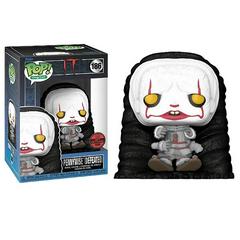
![Mr. Incredible [SDCC] #17 (Disney)](https://storage.googleapis.com/images.pricecharting.com/svuv6rztnasctmc2/240.jpg)
![Bilbo Baggins [Spiderwebs] #12 (Movies)](https://storage.googleapis.com/images.pricecharting.com/wr265idbztbmbk7x/240.jpg)
JunkPal may earn a commission when you buy through eBay links, at no extra cost to you.
What’s worth the most
Ranked on medians of real closed eBay sales, not asking prices.