What does “figure series variant” mean?
What it means
A figure series variant is a distinct production iteration of a character within a defined toy line. It is not merely a repaint, though paint variations count as a variant. The differences can be substantive: tooling changes in the sculpt (e.g., revised head sculpts), accessory swaps (e.g., different weapon loadouts), material changes, or packaging alterations (e.g., window box vs. clamshell). The mainstream equivalent is a "version difference." These variants are tracked because they signify different manufacturing batches, promotional runs, or intentional limited releases by the manufacturer.
What it does to price
The designation of a variant directly dictates market value. A standard retail release serves as the baseline (1.0x). A confirmed, documented limited edition variant can multiply the baseline price by 2x to 5x. Error variants or "chase" figures can exceed 10x the standard price. A figure that is simply a minor color shift might only fetch 1.2x the standard price. Conversely, a poorly executed, unverified variant or one with obvious damage will see its value plummet to 0.5x or less, regardless of its intended rarity. For example, a standard $50 figure might sell for $150 if it is confirmed as a specific convention exclusive variant.
How to spot it
Identification requires meticulous comparison against known reference images. Key tells include unique mold markings visible on the feet or joints, specific SKU numbers printed on the box, or distinct paint application patterns (e.g., weathering vs. solid color). Sellers must provide high-resolution photos of the figure's back/bottom and the original packaging inserts. Common mistakes include mistaking a regional release for a global limited run. Fakes often replicate the packaging perfectly but use slightly softer plastic or have misaligned paint applications on the figure itself.
Buying smart
Paying a premium for a variant is justified only when the variant is verifiably rare and desirable within the collecting community. If the premium pushes the purchase price above 3x the baseline and the variant is not clearly documented or sourced from a reputable seller, the risk outweighs the reward. A fair deal involves the asking price being within 1.5x to 2.5x the known market value for that specific variant, provided the condition is Mint in Box (MIB) or Near Mint (NM). If the variant status is unconfirmed, the price should be closer to the standard release rate.
Selling smart
Proving the variant status transforms a commodity into a collectible asset. Listing the item with the precise variant designation—e.g., "Series 3, Shadow Edition Variant"—immediately filters out casual buyers and attracts specialized collectors willing to pay the premium. The single most effective element in a listing is a clear, high-resolution photo that captures the unique identifying mark (e.g., a specific decal, a unique accessory, or a specific box print). This documentation allows the seller to command the 2x to 5x multiplier.
On eBay right now
Current asking prices from live listings — not sold-comp medians.

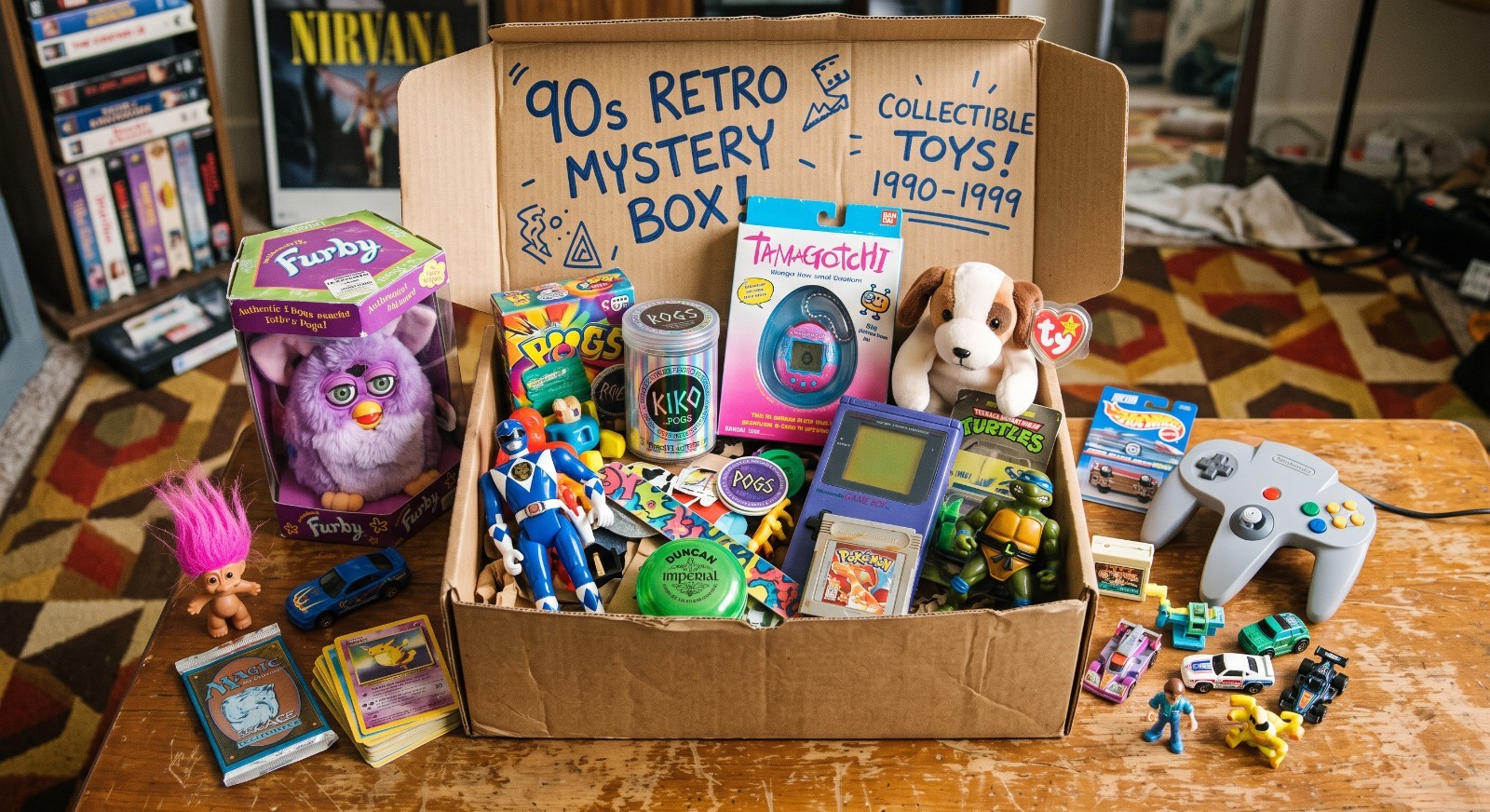

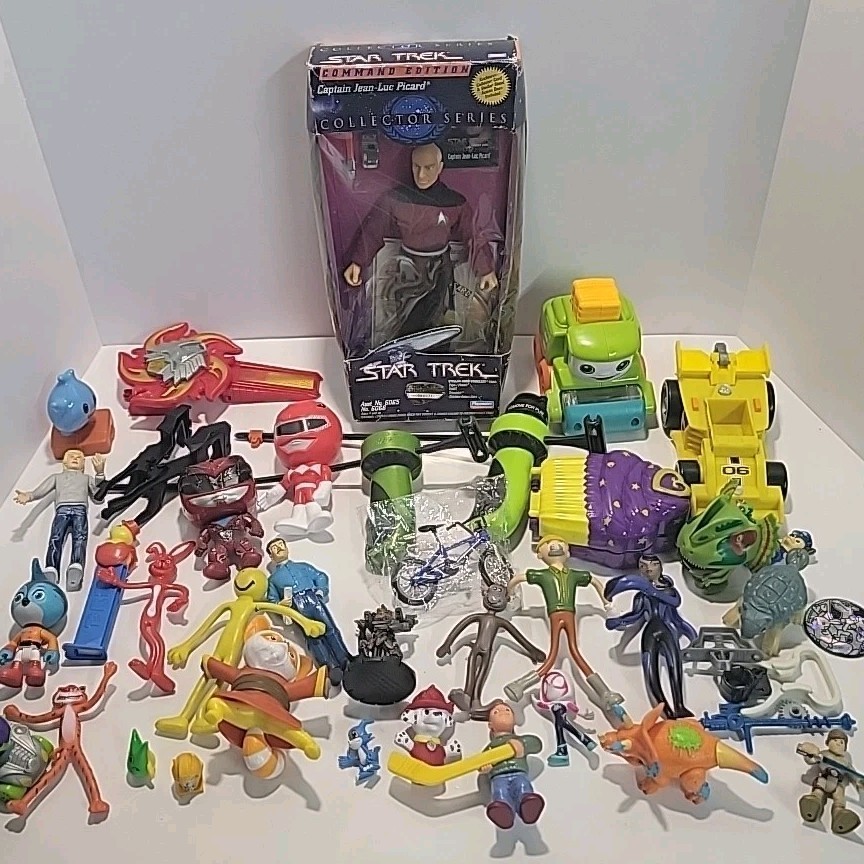


eBay links are affiliate links: JunkPal may earn a commission at no cost to you.
Resale values related to figure series variant
Shop figure series variant on eBay ↗![Scooby-Doo [Flocked Green] #149 (Animation)](https://storage.googleapis.com/images.pricecharting.com/hllmvizn6kfyezoa/240.jpg)
![Robin [Chase DC Universe] #2 (Heroes)](https://storage.googleapis.com/images.pricecharting.com/zd6gpyjk6iavpv6j/240.jpg)
![Eric Davis [Silver] #52 (Mlb)](https://storage.googleapis.com/images.pricecharting.com/2wbrdnfptbkestq7/240.jpg)
![Maka [Hot Topic Pre-Release] #80 (Animation)](https://storage.googleapis.com/images.pricecharting.com/7fzms53nrs6gtie5/240.jpg)

![The Fat Lady [Chase] #189 (Harry Potter)](https://storage.googleapis.com/images.pricecharting.com/sivo3zppcrdpyu66/240.jpg)
JunkPal may earn a commission when you buy through eBay links, at no extra cost to you.
What’s worth the most
Ranked on medians of real closed eBay sales, not asking prices.