What does “figure series” mean?
What it means
A figure series is a cohesive, manufacturer-defined line of collectible figures sharing a common theme, property, or universe (e.g., Star Wars, Marvel). This is not merely a group of random figures; it is a structured product line. The core value driver is completeness. A series is defined by its intended roster of characters, vehicles, or scenarios. For the reseller, the series acts as a catalog; the buyer is seeking the entire documented set or a high percentage thereof. The concept of a "line" is the mainstream equivalent of a "series."
What it does to price
Completeness is the primary price multiplier. A fully documented, complete series (all intended pieces accounted for) typically commands a 3x to 10x premium over the sum of loose, individual pieces, depending on the rarity of the components. Near-complete sets (missing only one or two low-tier figures) retain 70-90% of the full set value. Conversely, a single, common figure from a high-demand series might sell for 1.2x to 2x its loose retail price if it is confirmed as part of a highly sought-after, incomplete collection. Missing a key, highly desirable variant figure can drop the entire set value by 40% or more.
How to spot it
Series identification relies on consistent branding, numbering, and thematic continuity. Look for shared mold characteristics, consistent articulation points, or specific series logos printed on the packaging or the figures themselves. Sellers must provide high-resolution photos of the packaging inserts or the back of the box to confirm the intended contents list. Common mistakes include mixing figures from different, but visually similar, lines (e.g., mistaking a generic sci-fi line for a specific licensed series). Fakes often fail to replicate the specific mold details or the series-specific numbering sequence.
Buying smart
Paying a premium for a series is justified when the line is officially retired, has demonstrated high secondary market demand, or contains figures that are individually scarce (e.g., limited edition runs or promotional exclusives). Avoid paying top dollar for a "near-complete" set if the missing pieces are common variants. A fair deal requires the seller to provide a detailed inventory list matching the known series contents. If the list is vague ("lots of figures"), the price is likely inflated beyond the actual value.
Selling smart
Proof of series integrity drives buyer confidence and price realization. Listing must explicitly state the series name and the condition of the packaging (e.g., "Complete Series, CIB"). The single most valuable piece of evidence is a photo of the original series checklist or the box flap showing the character lineup. Stating "Complete" or "98% Complete" allows for a substantial price floor. Listing the missing pieces (if any) provides transparency, allowing the buyer to calculate the final cost and justifying a higher asking price for the existing inventory.
On eBay right now
Current asking prices from live listings — not sold-comp medians.

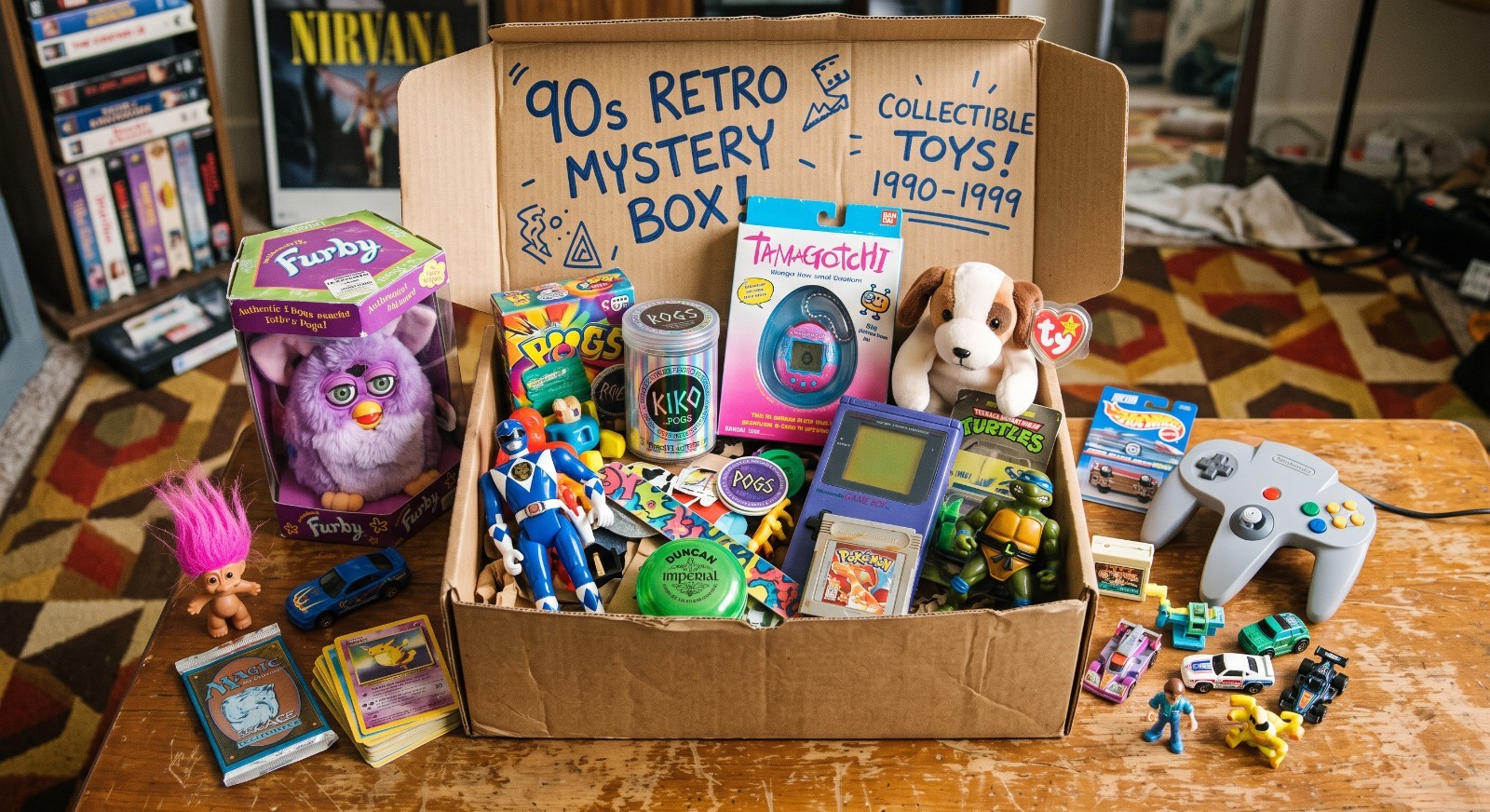

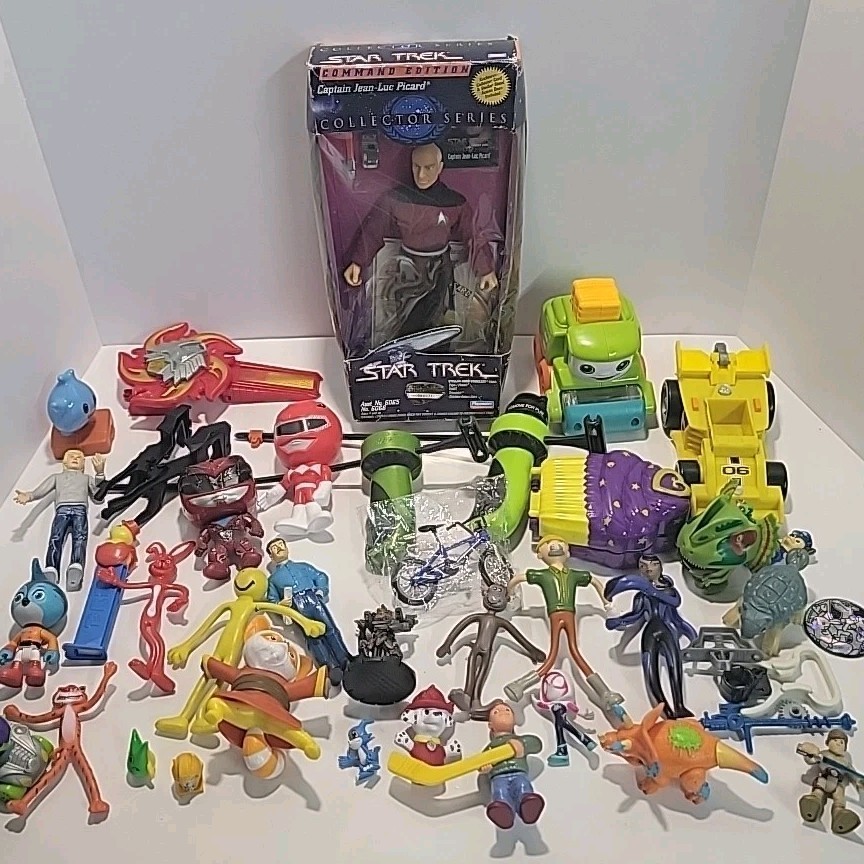


eBay links are affiliate links: JunkPal may earn a commission at no cost to you.
Resale values related to figure series
Shop figure series on eBay ↗


![Skeletor [Disco] #19 (Television)](https://storage.googleapis.com/images.pricecharting.com/tiq4fqliu5kgv7df/240.jpg)
![Wonder Woman [NYCC] #8 (Heroes)](https://storage.googleapis.com/images.pricecharting.com/5vzgwe6z37afis7m/240.jpg)

JunkPal may earn a commission when you buy through eBay links, at no extra cost to you.
What’s worth the most
Ranked on medians of real closed eBay sales, not asking prices.