What does “figure repaint” mean?
What it means
A figure repaint is the deliberate alteration of a collectible figure's factory paint application. This is not simple cleaning or touch-up; it involves applying new, often custom, paint layers to the original plastic or resin. The scope ranges from subtle weathering effects (a cosmetic modification) to full color swaps (a complete aesthetic overhaul). Mainstream equivalent: Custom modification. The value is tied directly to the skill of the artist and the desirability of the base figure.
What it does to price
Repaints introduce high variability. A low-effort, amateur repaint typically results in a 10-25% price reduction compared to a pristine factory version due to perceived quality risk. A high-quality, professionally executed repaint on a rare or highly desirable base figure can command a 1.5x to 3x premium over the loose, factory-painted counterpart. Conversely, a poorly executed repaint—visible bleeding, uneven application, or chipping—can drop the value below that of a standard loose figure, sometimes by 30% or more. Example: A rare 1/6 scale figure originally selling for $200 loose might sell for $350 with a flawless, recognized custom paint job.
How to spot it
Look for inconsistencies in paint thickness, brush strokes, or areas where the new paint meets the original factory paint. Professional repaints often feature deliberate, intentional weathering or shading that mimics high-end production techniques. Common tells include mismatched paint sheen between the base plastic and the applied paint, or overspray onto adjacent parts. When purchasing, request close-up photos of joints and seams. Be wary of "repaint" claims on mass-market, low-tier figures; these are often poorly done attempts to inflate value.
Buying smart
Paying a premium for a repaint is justified only when the base figure is highly sought after, the repaint is demonstrably professional, and the artist has a known reputation within the collecting community. Do not pay a premium for a repaint on a common, readily available figure unless the customization is exceptionally unique or limited edition. A fair deal involves the asking price reflecting the *value of the labor* added, not just the base item's value. If the repaint looks amateurish, the premium is not worth the risk.
Selling smart
Transparency is mandatory. Never list a repaint as "Factory Condition." The listing description must clearly state, "Custom Repaint by [Artist Name]" or "Hand-Painted Modification." The single most valuable asset in the listing is a high-resolution, well-lit photo showing the repaint detail up close, ideally next to a photo of the original, unpainted figure (if available) for comparison. This documentation justifies the premium and preempts buyer skepticism.
On eBay right now
Current asking prices from live listings — not sold-comp medians.

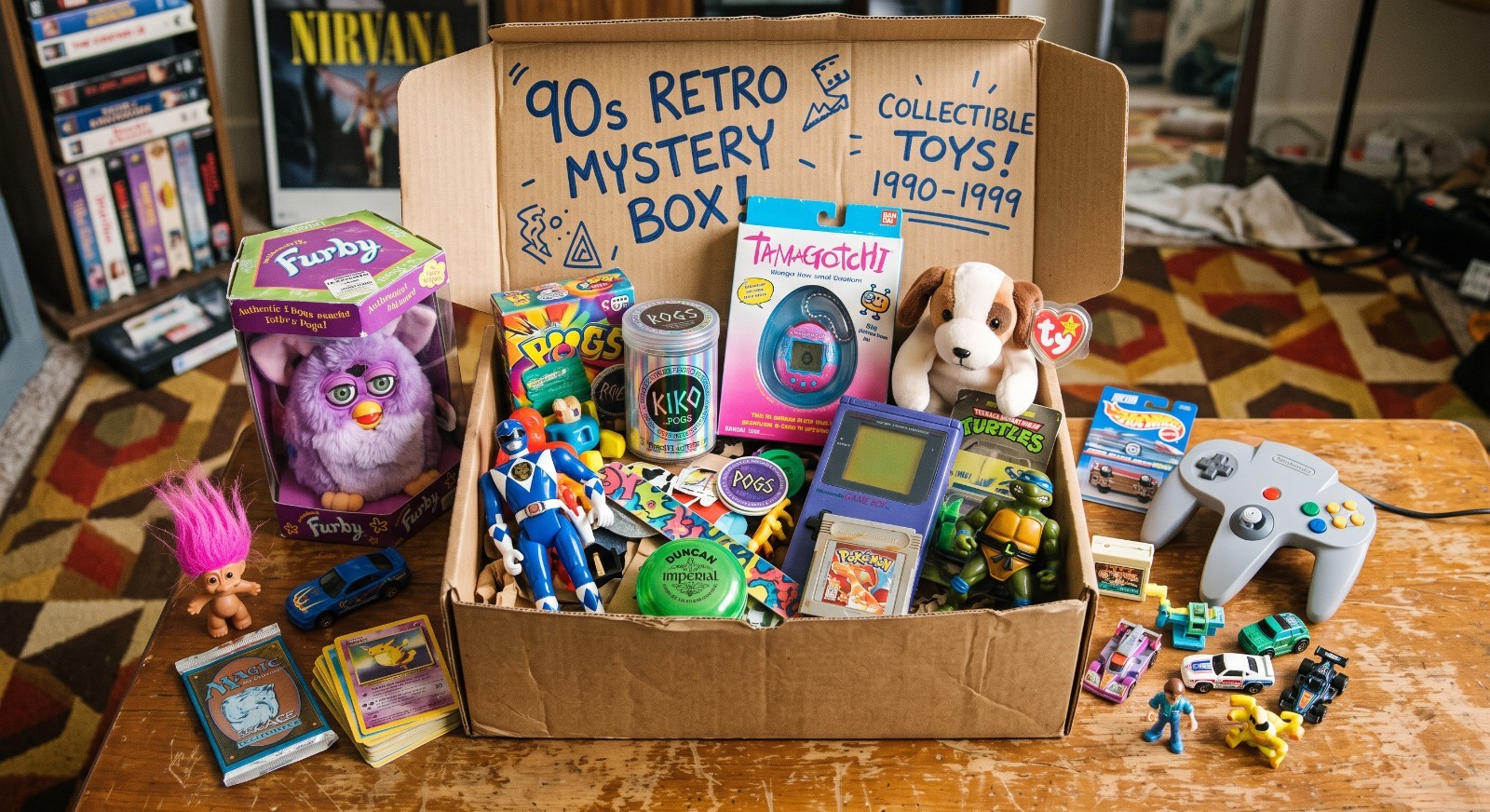

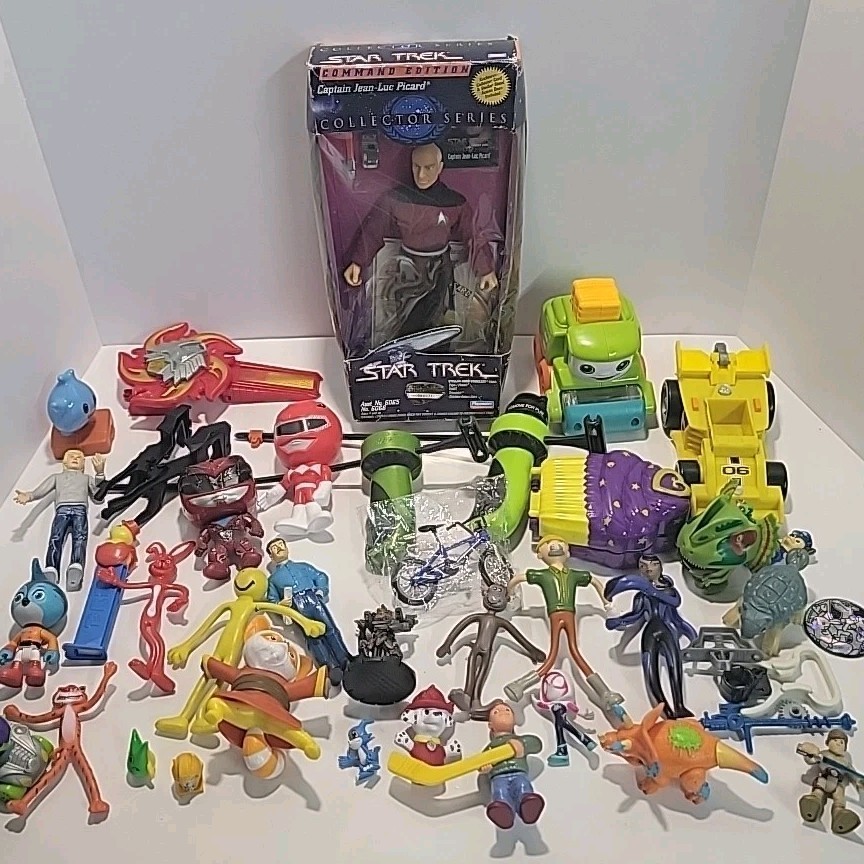


eBay links are affiliate links: JunkPal may earn a commission at no cost to you.
Resale values related to figure repaint
Shop figure repaint on eBay ↗![Freddy Funko As C-3PO [Trademark] #SE (Freddy Funko)](https://storage.googleapis.com/images.pricecharting.com/qlry66j4uxzxfhwz/240.jpg)

![Freddy Funko As Wolverine [Brown] #SE (Freddy Funko)](https://storage.googleapis.com/images.pricecharting.com/mvjddi3xbccrcu7b/240.jpg)
![Jason Voorhees [Summer Convention] #202 (Movies)](https://storage.googleapis.com/images.pricecharting.com/kebpbmethdc5wdfo/240.jpg)
![Leonardo [Metallic] #63 (Television)](https://storage.googleapis.com/images.pricecharting.com/engq25tlanmfunih/240.jpg)
![Freddy Funko Hulk Hogan [Injured] #34 (Freddy Funko)](https://storage.googleapis.com/images.pricecharting.com/wzgbacq4cfhjjho3/240.jpg)
![Cheerleader Deadpool [Pink] #325 (Marvel)](https://storage.googleapis.com/images.pricecharting.com/l5fic7gssy3xfub6/240.jpg)
JunkPal may earn a commission when you buy through eBay links, at no extra cost to you.
What’s worth the most
Ranked on medians of real closed eBay sales, not asking prices.