What does “figure release” mean?
What it means
Figure release is the scheduled date a manufacturer makes a collectible figure officially available to the public. This is distinct from a pre-order window, which is the period *before* the release date when orders are accepted. For the market, the release date marks the transition from manufactured scarcity (pre-order/limited run) to general market availability. It is the primary anchor point for tracking market velocity and scarcity value.
What it does to price
Release timing directly impacts initial pricing tiers. Pre-release/pre-order figures, especially those with strict allocation limits, often carry a premium of 1.2x to 2.5x over the final MSRP due to artificial scarcity. Immediately post-release, prices can drop 20-40% as inventory floods the secondary market. A figure released as a "limited edition" versus a standard run can see a 3x to 5x price increase within weeks if demand outstrips supply. If a highly anticipated figure misses its release date significantly, the initial hype premium can collapse by 50% or more.
How to spot it
The release date itself is not a physical attribute of the figure. Instead, tracking the release is done via manufacturer announcements, retailer stock updates, and pre-order confirmation emails. When assessing a specific item, the tell is the packaging documentation. Look for official UPC codes or batch numbers tied to the specific production run date associated with the announced release. Common mistakes involve confusing a "convention exclusive" release (which has its own unique scarcity) with a standard retail release. Fakes often fail to match the specific packaging artwork associated with the announced release window.
Buying smart
Paying a premium for a pre-release item is justified when the figure is confirmed to be a highly sought-after, low-production run, and the risk of it never hitting the market is high. A fair pre-order deal is typically within 10-15% above MSRP, reflecting standard retailer markup. If the premium exceeds 30% without clear evidence of extreme scarcity (e.g., a confirmed 100-unit drop), the risk outweighs the potential return. Waiting for the official release date is the lowest-risk acquisition strategy for standard items.
Selling smart
Listing a figure with verifiable documentation proving it was acquired during the initial, limited pre-order window commands a higher price floor. The key element is not just stating the release date, but providing proof of the initial allocation—a receipt, a pre-order confirmation screenshot, or packaging indicating a specific early production run. The single most effective word in a listing title is "Factory Sealed" or "First Run," as this immediately signals the item’s provenance relative to the official release timeline.
On eBay right now
Current asking prices from live listings — not sold-comp medians.

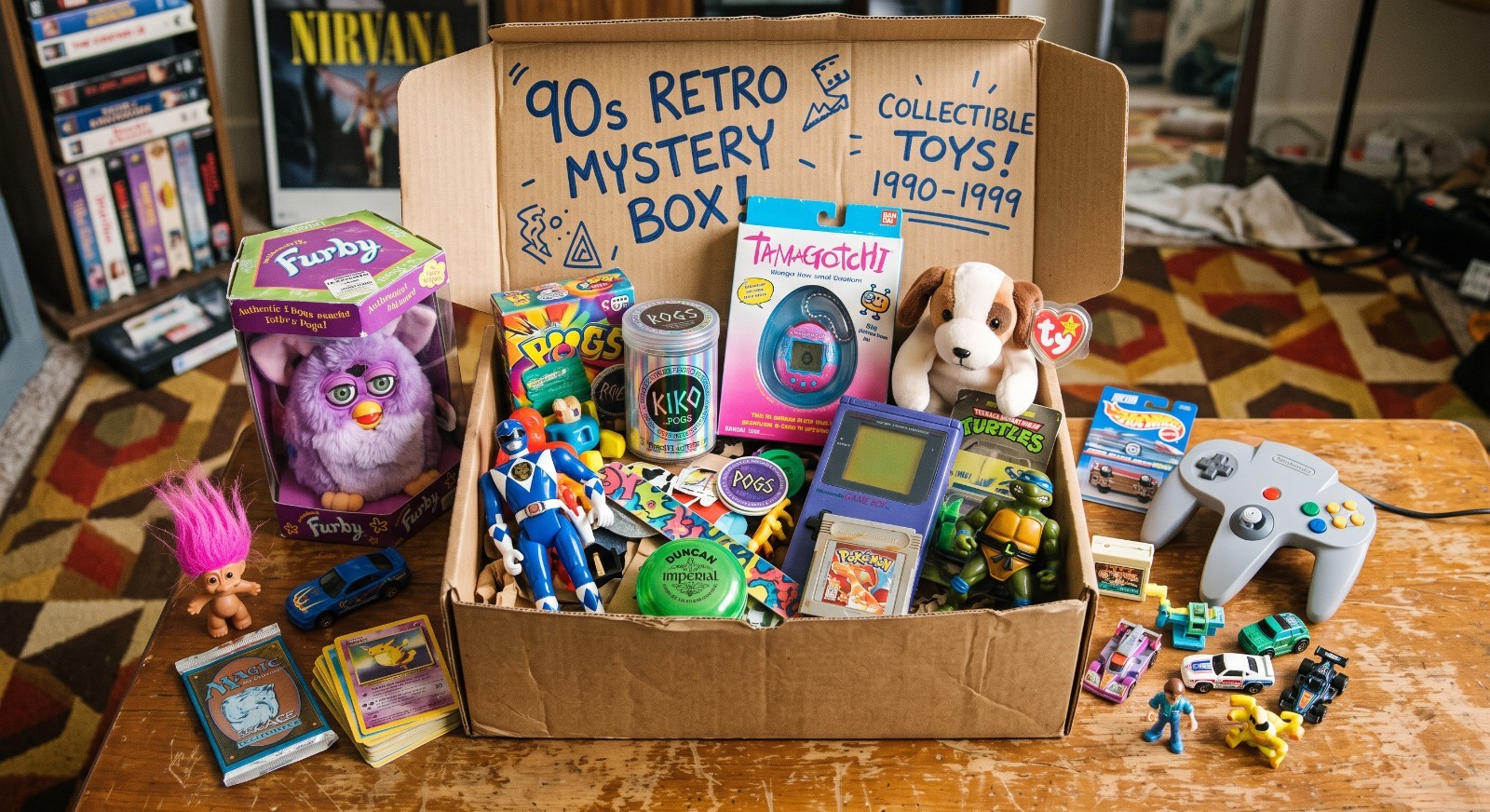

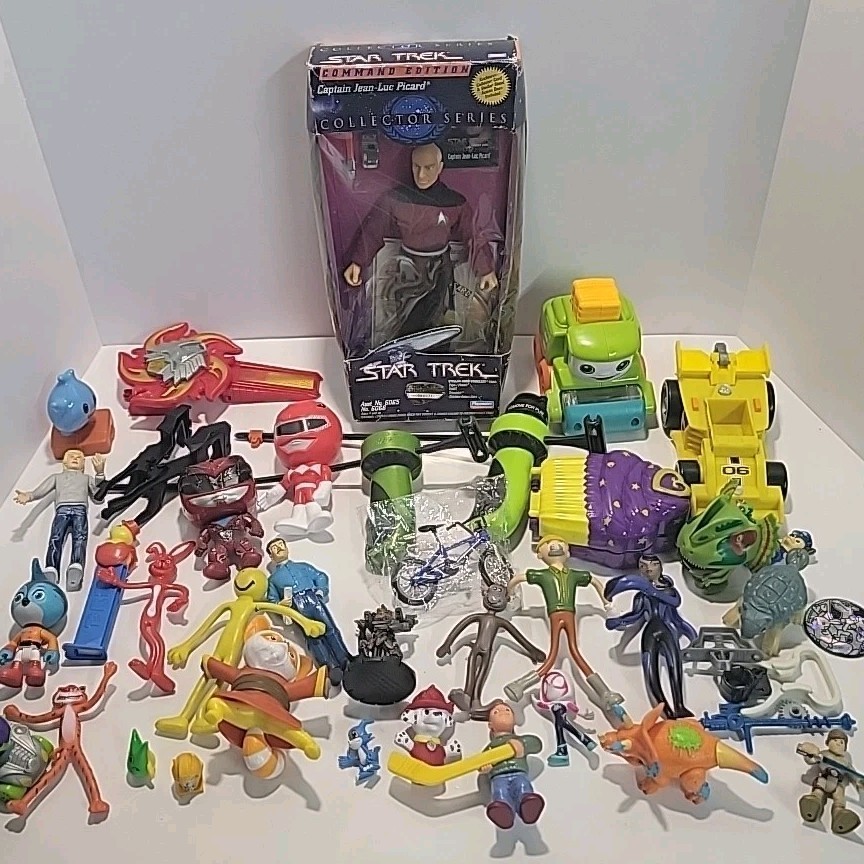


eBay links are affiliate links: JunkPal may earn a commission at no cost to you.
Resale values related to figure release
Shop figure release on eBay ↗![Green Arrow [Metallic] #15 (Heroes)](https://storage.googleapis.com/images.pricecharting.com/sfoqif2blbln44wh/240.jpg)
![Raphael [Metallic] #61 (Television)](https://storage.googleapis.com/images.pricecharting.com/bgvdomc3m4vnycqd/240.jpg)


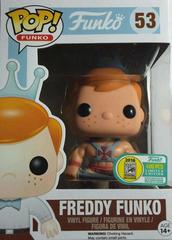
![Beast [Flocked] #21 (Marvel)](https://storage.googleapis.com/images.pricecharting.com/yvoycgcknzf2xrfu/240.jpg)
![Martian Manhunter [Metallic] #18 (Heroes)](https://storage.googleapis.com/images.pricecharting.com/obmgxln52wkhzrkb/240.jpg)
![Winged Monkey [Metallic] #9 (Movies)](https://storage.googleapis.com/images.pricecharting.com/k2nhg6kqbxpf5c2f/240.jpg)
JunkPal may earn a commission when you buy through eBay links, at no extra cost to you.
What’s worth the most
Ranked on medians of real closed eBay sales, not asking prices.