What does “figure mold” mean?
What it means
A figure mold is the original, physical tooling used by a manufacturer to mass-produce collectible figures. It is the master negative or positive form from which plastic or resin parts are cast. This is not the final toy; it is the production tool itself. In the collecting niche, a mold is a piece of manufacturing history. It is the blueprint artifact. While the mainstream equivalent is "tooling," collectors refer to it by the mold itself. Molds are sought after because they represent the genesis of a specific product line, offering insight into design and production methods unavailable from the final consumer product.
What it does to price
The presence of an authentic, documented mold drastically increases value, often exponentially compared to the retail figures it produced. A mold itself can command prices ranging from several thousand dollars to well over fifty thousand, depending on the complexity, rarity of the associated line, and condition. Factors pushing value up include original factory markings, clear provenance (proof of origin), and the mold being associated with a highly desirable or limited-run character. A mold in poor condition, showing significant wear or damage, will see a value reduction of 30-50% compared to a mint example. For example, a mold for a highly sought-after 1980s action figure line might fetch $15,000; a heavily chipped, undocumented version of the same mold might sell for $5,000.
How to spot it
Identifying a mold requires looking past the finished toy. Molds are often metal or high-density resin blocks. Look for casting marks, internal cavities, and evidence of ejection pins or parting lines—these are the structural elements of the tool. Sellers must provide high-resolution photos showing the entire mold surface, not just a small section. Common issues include superficial scratches (wear) versus deep gouges (damage). Fakes often involve casting the *shape* of a mold from a final product, which lacks the internal tooling structure. Authentic molds may bear faint, stamped factory identification numbers or specific material markings from the original tooling company.
Buying smart
Paying a premium for a mold is justified only when the associated figure line is critically important to a collector's investment strategy, or when the mold itself is a rare piece of industrial art. If the mold is undocumented, heavily damaged, or associated with a low-tier or short-run product, the premium is likely unwarranted. A fair deal involves a price that reflects the *provenance* as much as the physical object. If the seller cannot provide documentation linking the mold to a specific, known production run, the price should be discounted by at least 40% to account for the risk of misidentification.
Selling smart
Listing a mold requires clear, technical photography. The single most valuable element to include in a listing is a photo clearly showing the mold’s identifying marks or any manufacturer stamps. The word "Provenance" in the title or description, coupled with supporting documentation (e.g., old factory invoices, photos of the mold in a production environment), immediately shifts the buyer perception from "used tool" to "historical asset." This documentation is what allows the seller to command the top-tier pricing bracket, often adding 2x to 5x the value of the mold itself compared to an undocumented piece.
On eBay right now
Current asking prices from live listings — not sold-comp medians.




eBay links are affiliate links: JunkPal may earn a commission at no cost to you.
Resale values related to figure mold
Shop figure mold on eBay ↗
![Master Chief [Barnes Noble] #1 (Halo)](https://storage.googleapis.com/images.pricecharting.com/6sid5mdpwmyujbmb/240.jpg)

![Roronoa Zoro [COMFEST] #1496 (Animation)](https://storage.googleapis.com/images.pricecharting.com/ue7eoq3ofuhlrav2/240.jpg)
![Batmobile [Gold] #1 (Rides)](https://storage.googleapis.com/images.pricecharting.com/v5jaiukj7w4uwzip/240.jpg)
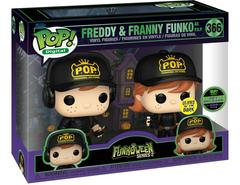
![Freddy Flux [Quantum] #SE (Freddy Funko)](https://storage.googleapis.com/images.pricecharting.com/3534kgu5f4wlntiw/240.jpg)
![Wonder Woman [Fall Convention] #8 (Heroes)](https://storage.googleapis.com/images.pricecharting.com/vkec245furt5qaji/240.jpg)
JunkPal may earn a commission when you buy through eBay links, at no extra cost to you.
What’s worth the most
Ranked on medians of real closed eBay sales, not asking prices.