What does “figure display” mean?
What it means
Figure display refers to the physical method of presenting collectible action figures, statues, or vinyl toys. It is the setup used for showcasing the item. This includes specialized acrylic stands, custom shelving, or elaborate dioramas. The concept is the presentation environment, not the figure itself. For collectors, display quality is a proxy for the item's history and care. A professional display suggests the item was stored properly, minimizing wear and tear. The mainstream equivalent is "presentation quality."
What it does to price
Display quality acts as a condition modifier. A figure displayed in a museum-quality, dust-free, and custom-lit case typically commands a 20-40% premium over the same figure presented loose or in a generic box. Conversely, a figure photographed in a cluttered, dimly lit, or damaged display environment may see a 10-25% reduction in perceived value. For example, a rare 1/6 scale figure displayed in a bespoke, climate-controlled case might sell for $500, while the same figure photographed on a wobbly shelf might sell for $380. The display itself rarely adds intrinsic value, but it validates the condition claim.
How to spot it
Look for evidence of professional presentation in seller photos. High-quality displays often feature clear acrylic risers, custom foam inserts, or integrated LED lighting. Common tells of poor care include visible yellowing on plastic components, dust accumulation within the display case, or visible scuffs on the base or stand. When assessing authenticity, check if the display components themselves are generic or bespoke; high-end, official displays are rare and can be a selling point. Be wary of sellers claiming "perfect display condition" when the photos show heavy environmental dust.
Buying smart
Paying a premium for display is justified only when the display is integral to the figure's intended presentation or when the display confirms pristine, long-term storage. If the figure is being sold "loose" but the seller provides high-quality, clear photos showing the figure in a professional, well-lit setting, the premium is reasonable. Avoid paying high premiums solely for the *display* if the figure itself is damaged or has known flaws. A fair deal means the display supports, but does not overshadow, the figure's inherent condition.
Selling smart
The display setting is the primary tool for elevating a listing's perceived value. A clean, well-lit, and organized photo setup immediately signals to buyers that the item has been handled with care. The single most effective element is a clear, high-resolution photo showing the figure in its best possible, controlled environment. Using the keyword "Display Ready" or "Museum Quality Presentation" in the listing title, backed by excellent photography, can secure a 15-25% uplift over a standard "Loose" listing.
On eBay right now
Current asking prices from live listings — not sold-comp medians.

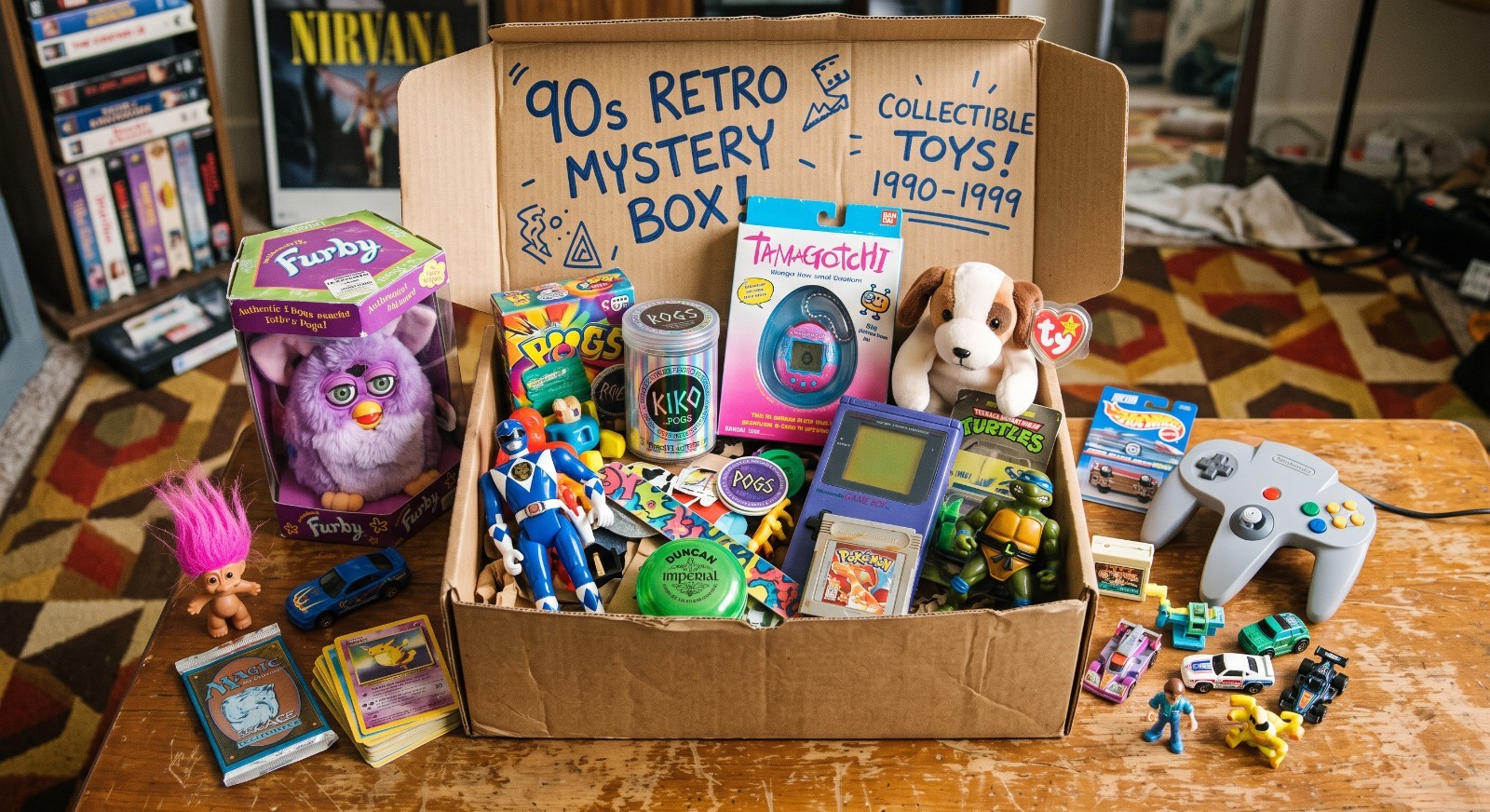

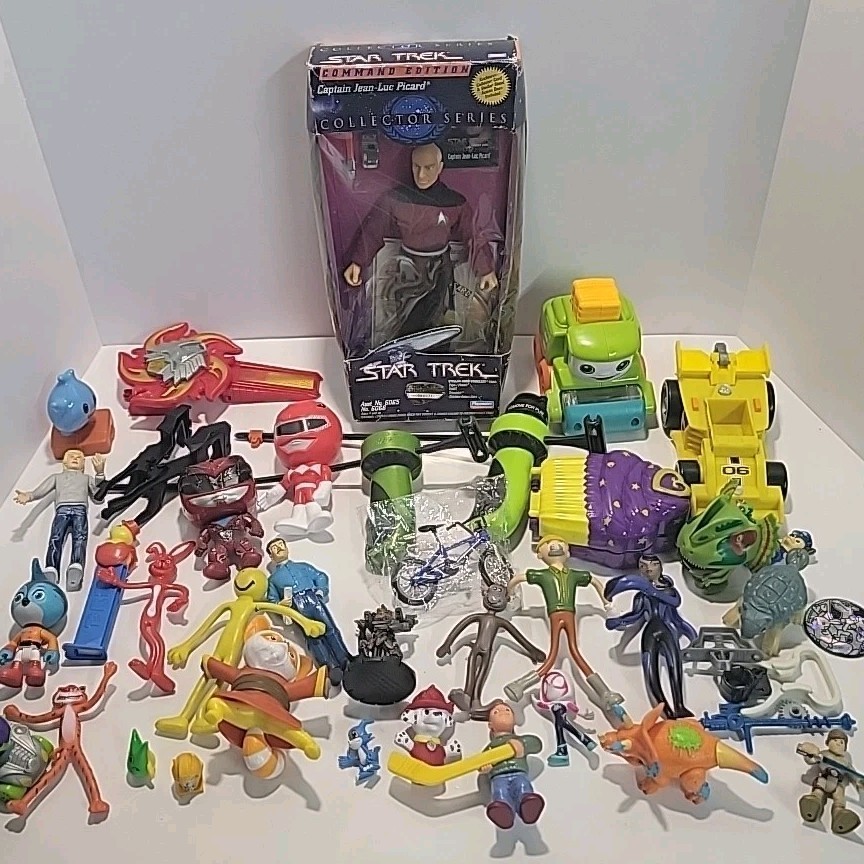


eBay links are affiliate links: JunkPal may earn a commission at no cost to you.
Resale values related to figure display
Shop figure display on eBay ↗![Bruce Lee Kicking [San Fransisco Giants - Orange] #592 (Movies)](https://storage.googleapis.com/images.pricecharting.com/tloc5jtmmdjh5x25/240.jpg)
![Ariel & Ursula [Metallic] (Minis)](https://storage.googleapis.com/images.pricecharting.com/ovxsxrus2ixljhed/240.jpg)
![Freddy Funko As C-3PO [Trademark] #SE (Freddy Funko)](https://storage.googleapis.com/images.pricecharting.com/qlry66j4uxzxfhwz/240.jpg)

![Freddy Funko As Wolverine [Brown] #SE (Freddy Funko)](https://storage.googleapis.com/images.pricecharting.com/mvjddi3xbccrcu7b/240.jpg)
![Jason Voorhees [Summer Convention] #202 (Movies)](https://storage.googleapis.com/images.pricecharting.com/kebpbmethdc5wdfo/240.jpg)
![Leonardo [Metallic] #63 (Television)](https://storage.googleapis.com/images.pricecharting.com/engq25tlanmfunih/240.jpg)
JunkPal may earn a commission when you buy through eBay links, at no extra cost to you.
What’s worth the most
Ranked on medians of real closed eBay sales, not asking prices.