What does “figure condition” mean?
What it means
Figure condition is the comprehensive assessment of an action figure's physical state. It covers the integrity of the plastic, paint application, articulation points (joints), and the condition of any original packaging. This niche term encompasses several specific states: Mint-in-Box (MIB), Complete in Box (CIB), Loose (out of package), and various degrees of playwear (e.g., Near Mint, Good, Poor). Condition is not just about appearance; functional integrity—whether all joints move correctly and accessories are present—is a core component. A "scuff" is a surface abrasion; "paint chipping" is paint loss revealing base plastic.
What it does to price
Condition dictates the market multiplier. A factory-fresh, sealed MIB figure typically commands a 2x to 5x premium over a comparable loose, played-with example. For high-demand, rare figures, this premium can be substantially higher. A figure with minor, non-structural cosmetic flaws (e.g., a small paint rub on an unpainted area) might see a 10-20% reduction in value compared to perfect condition. Conversely, a figure missing a key accessory or having a broken joint can see value plummet by 40% or more, depending on the accessory's rarity. A $50 loose figure with visible joint stress might sell for $35; the same figure in perfect, sealed MIB condition could fetch $125.
How to spot it
Inspection requires close examination. Check paint lines for overspray or bleeding. Test articulation by moving every joint through its full range of motion; stiffness indicates potential damage or adhesive failure. Packaging assessment requires checking for crushing, tears, or sun fading on the cardback or plastic blister. Look for production variants; sometimes, minor mold changes or paint shifts between production runs are mistaken for damage. Always request high-resolution photos of the figure's joints and the packaging seams. Be wary of "restored" figures; minor repairs often reduce value unless explicitly disclosed.
Buying smart
Paying a significant premium for pristine condition is justified when the figure is a cornerstone piece of a serious collection, or when the item is extremely rare and sealed. If the figure is a common character or a secondary piece in a large collection, the cost of the premium often outweighs the marginal increase in resale value. A fair deal for a loose figure in "Good" condition should reflect the wear; if the seller claims "Near Mint" but the figure shows clear shelf wear, the price is inflated. A good purchase balances the desired state against the asking price relative to known market comparables.
Selling smart
Transparency maximizes buyer trust and justifies higher pricing. Listing a figure as "Mint" when it has minor flaws is deceptive and leads to returns or negative feedback. The single most effective element in a listing is a clear, high-resolution photograph that specifically captures any imperfection—a small scratch, a loose peg, or a crease on the box. Describing the flaw accurately (e.g., "Minor scuff on left boot, see photo 4") allows the buyer to self-assess the discount, leading to a faster, higher-value sale than if the flaw is hidden.
On eBay right now
Current asking prices from live listings — not sold-comp medians.

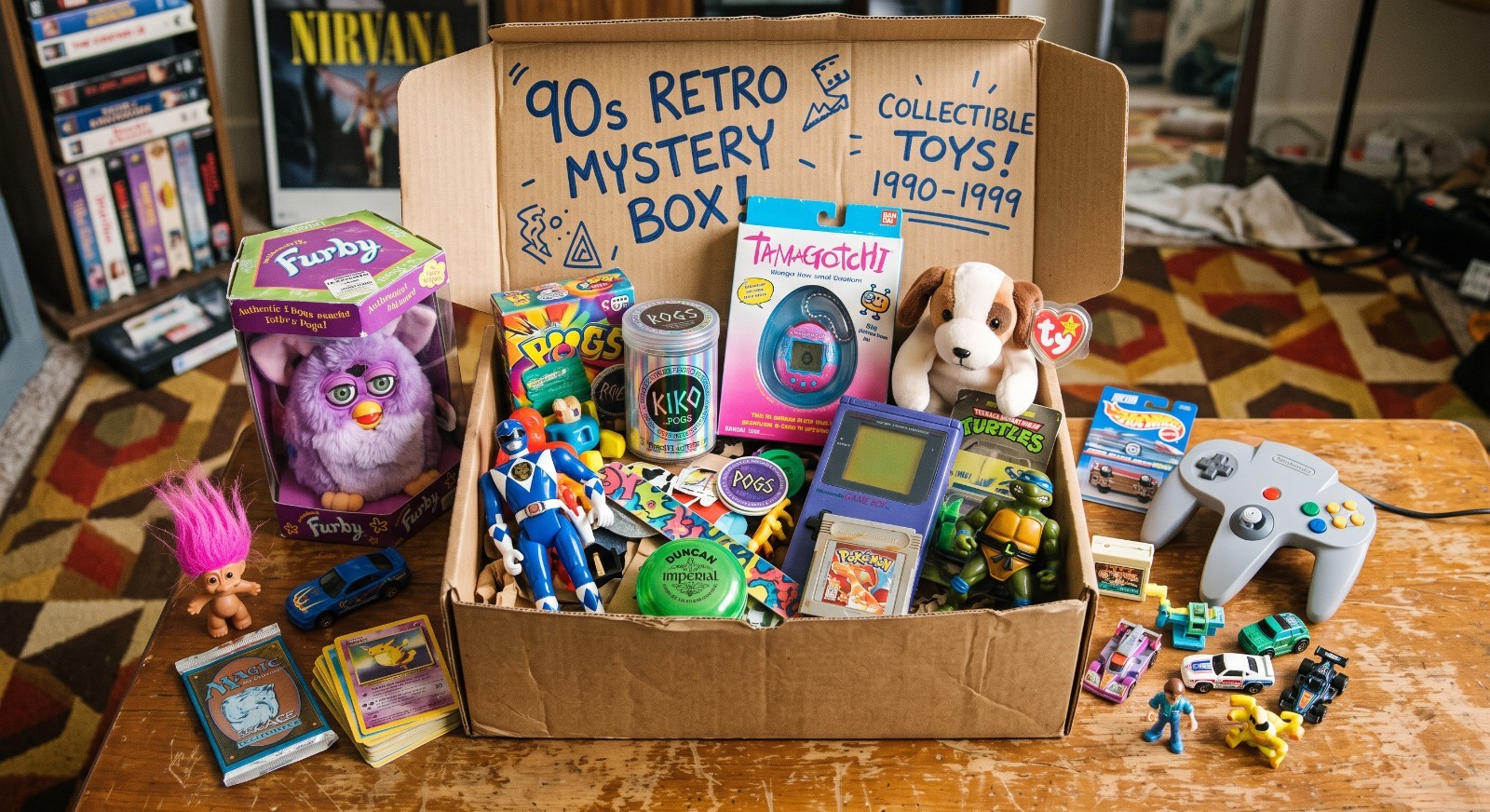

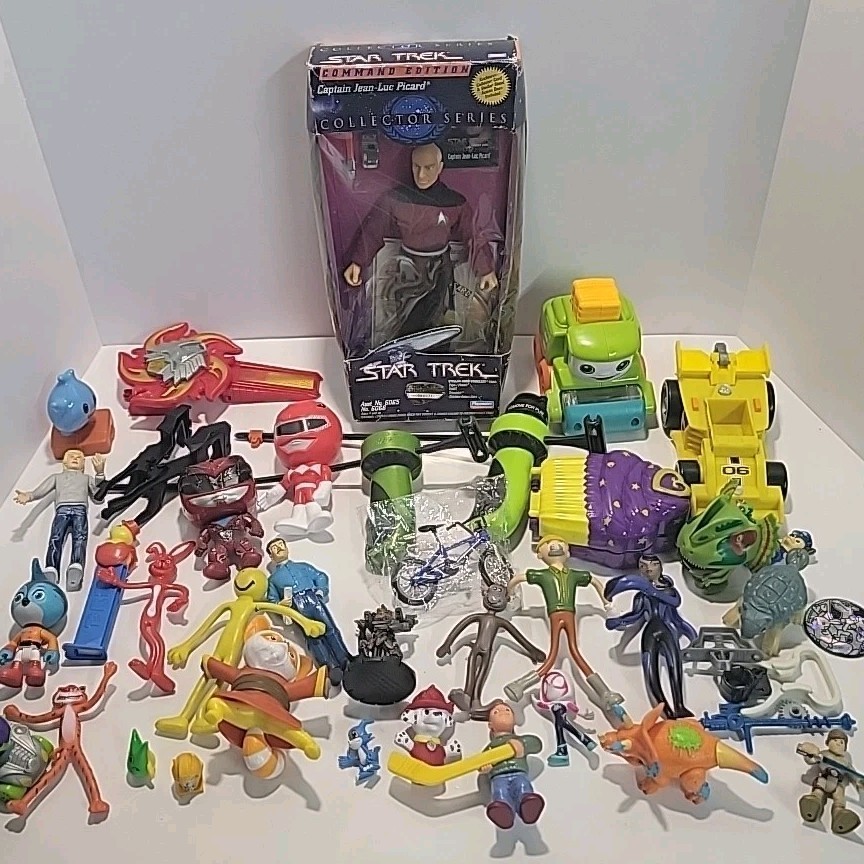


eBay links are affiliate links: JunkPal may earn a commission at no cost to you.
Resale values related to figure condition
Shop figure condition on eBay ↗
![Spartan Warrior [SDCC] #5 (Halo)](https://storage.googleapis.com/images.pricecharting.com/3pwjfwehb44nzgey/240.jpg)

![Nelson Cruz [Teal] #21 (Mlb)](https://storage.googleapis.com/images.pricecharting.com/rfjilida5vngctne/240.jpg)
![Fred & Barney [Blue Hair] [2-Pack] (Animation)](https://storage.googleapis.com/images.pricecharting.com/rygy6zomvchidare/240.jpg)
![Batman [Black And White] #621 (Heroes)](https://storage.googleapis.com/images.pricecharting.com/jnmlup4n7nvvycf4/240.jpg)

![Batman [Pink Chrome] #144 (Heroes)](https://storage.googleapis.com/images.pricecharting.com/rc4m7ipqj3ity5je/240.jpg)
JunkPal may earn a commission when you buy through eBay links, at no extra cost to you.
What’s worth the most
Ranked on medians of real closed eBay sales, not asking prices.