What does “figure card art” mean?
What it means
Figure card art is the printed graphic presentation on the cardboard backing or blister card that houses an action figure or toy. It is not merely a photograph; it is integrated marketing collateral. This art depicts the character, often in an exaggerated or action-oriented style, and frequently incorporates franchise lore, branding, and specific promotional imagery. For the collector market, the card art is inseparable from the packaging's value. Unlike a loose figure, the card art dictates the item's presentation grade. Damage to the card art—such as print bleed, fading, or surface abrasions—is treated as damage to the primary collectible component.
What it does to price
The condition of the card art directly correlates with the final sale price. A Near Mint (NM) card art, with vibrant colors and sharp printing, can command a 2x to 4x multiplier over a heavily worn or creased copy of the same figure. Minor edge wear (light corner dings) might reduce value by 10-20%. Significant damage, such as large creases across the main character image or heavy fading, can drop the value by 40% or more. For example, a standard $20 loose figure might sell for $40-60 if it retains pristine card art, but only $10-$15 if the art is visibly marred.
How to spot it
Key indicators of quality include the sharpness of the printing registration (where colors align) and the integrity of the card stock itself. Check for gloss wear or scuffing on the printed surface, not just the edges. Look for specific print runs or variations; some lines feature different card art treatments (e.g., holographic foil vs. standard litho). Sellers should provide high-resolution photos focusing specifically on the printed area, not just the overall package. A common mistake is confusing minor surface dust with actual print damage; high-quality photos allow verification of the latter.
Buying smart
Paying a premium for excellent card art is justified when the figure itself is rare, highly sought after, or part of a completed, valuable set. If the figure is common or the franchise is low-demand, the premium for perfect card art may not yield a proportional return on investment. A fair deal involves the asking price reflecting the *grade* of the card art, not just the figure's rarity. If the card art is visibly damaged but the figure inside is perfect, the price should reflect the compromised packaging.
Selling smart
Proving the quality of the card art in a listing is the most direct path to a higher sale price. Detailed, well-lit photos that isolate the card art are essential. Use descriptive language that matches industry grading standards (e.g., "Mint Condition Card Art," "Vibrant Print"). The single most effective element is a clear, close-up shot of the central character illustration, allowing buyers to visually confirm the lack of fading or creases. This visual proof validates the higher price point.
On eBay right now
Current asking prices from live listings — not sold-comp medians.

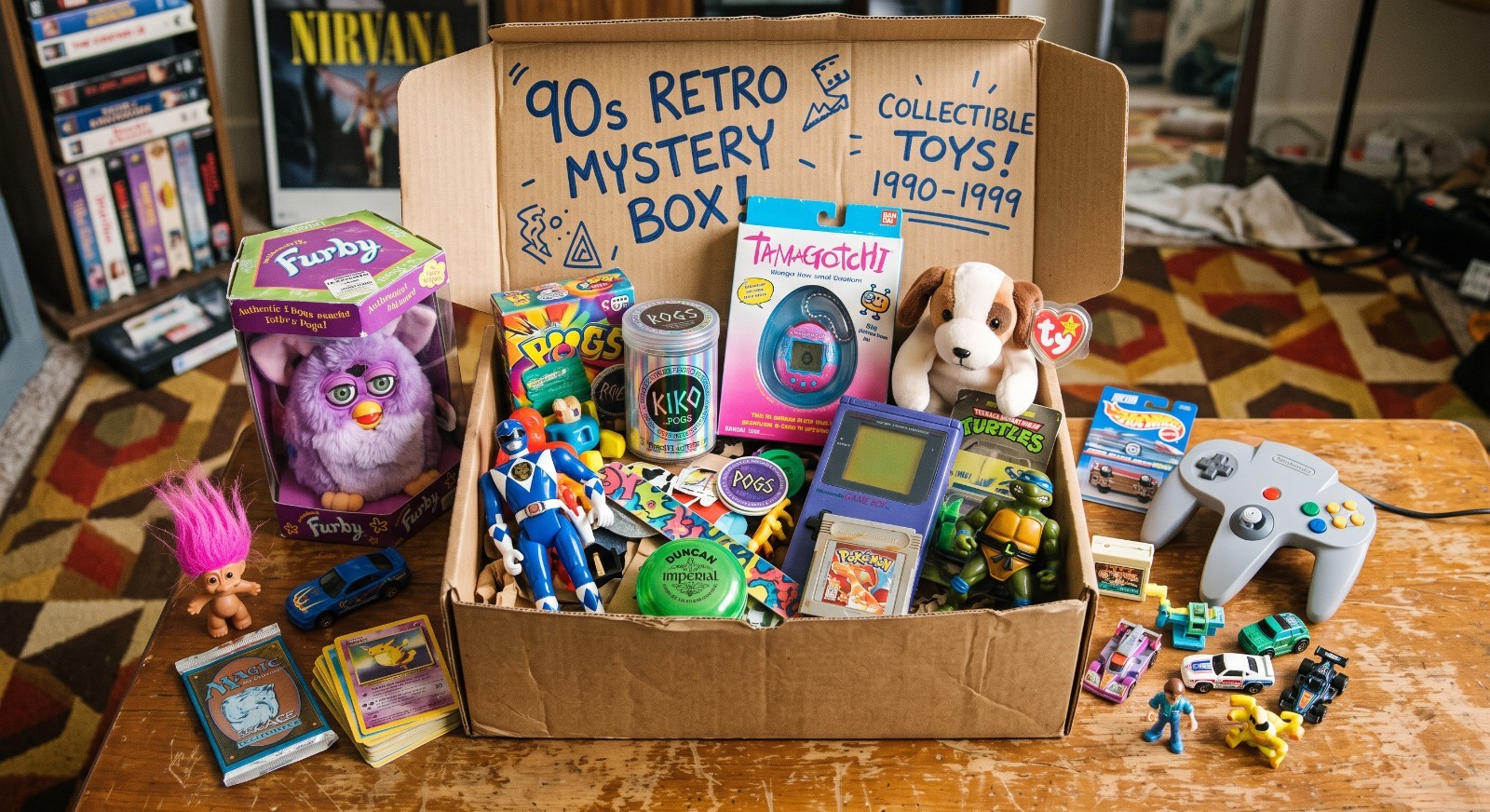

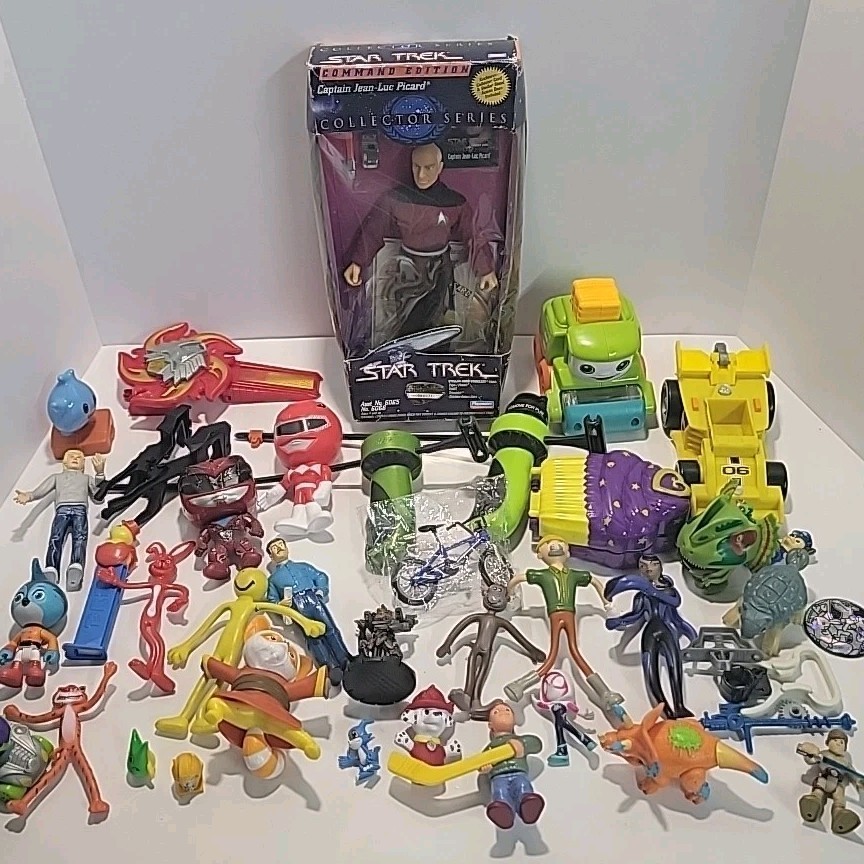


eBay links are affiliate links: JunkPal may earn a commission at no cost to you.
Resale values related to figure card art
Shop figure card art on eBay ↗
![Hatbox Ghost [GITD] #165 (Disney)](https://storage.googleapis.com/images.pricecharting.com/w5aoolxooa2spupv/240.jpg)


![Spartan Warrior [SDCC] #5 (Halo)](https://storage.googleapis.com/images.pricecharting.com/3pwjfwehb44nzgey/240.jpg)

![Nelson Cruz [Teal] #21 (Mlb)](https://storage.googleapis.com/images.pricecharting.com/rfjilida5vngctne/240.jpg)
![Fred & Barney [Blue Hair] [2-Pack] (Animation)](https://storage.googleapis.com/images.pricecharting.com/rygy6zomvchidare/240.jpg)
JunkPal may earn a commission when you buy through eBay links, at no extra cost to you.
What’s worth the most
Ranked on medians of real closed eBay sales, not asking prices.