What does “factory variant” mean?
What it means
A factory variant is a deviation from the intended, mass-produced standard of a toy. This is not intentional design change; it is an artifact of the manufacturing process. Examples include slight shifts in paint registration (where colors don't align perfectly), minor tooling marks on the plastic mold, subtle changes in plastic color saturation (e.g., a slightly greener hue on an otherwise standard blue piece), or variations in the included packaging insert. In collecting, these are not just flaws; they are markers of specific production runs. The term is standard jargon within toy collecting and requires no mainstream equivalent.
What it does to price
The impact on price is entirely contingent on the documented rarity and desirability of the specific deviation. A known, documented, and rare "error" variant can introduce a multiplier of 3x to 10x or more over the standard retail price, depending on the item's base value. Conversely, a common, minor cosmetic flaw (like a small paint smudge) typically results in a price reduction of 5% to 15% compared to a perfect example. For example, a standard $50 action figure with a known, scarce color shift might sell for $150-$250, whereas the same figure with a common, easily dismissed paint drip might sell for $40-$45.
How to spot it
Identification requires close inspection under strong, direct light. Look for inconsistencies in paint application—uneven coverage, overspray, or misplaced decals. Mold imperfections manifest as small, often symmetrical seams or slight texture anomalies on the plastic body. Color hue changes must be compared against known reference images of the standard release. Sellers must provide high-resolution, well-lit photos showing the area of variation. Be wary of sellers who claim a "variant" without verifiable evidence; this is often used to inflate perceived value.
Buying smart
Paying a premium for a factory variant is justifiable only when the deviation is officially documented by the collecting community or is demonstrably rare. If the difference is minor—a single, tiny speck of paint that does not affect playability or aesthetic integrity—the premium is likely inflated. A fair deal involves a price that reflects the known rarity; if the variant is common, the price should not exceed the standard market rate plus a small premium (under 1.5x). If the variant is truly rare, the premium is warranted, but the buyer must confirm the specific variant code or identifier.
Selling smart
Proving the existence and nature of the variant is the primary driver of increased resale value. Listing descriptions must move beyond "has a flaw" to "features [Specific Variant Name/Code] due to [Manufacturing Reason]." The single most effective piece of evidence is a macro photograph (extreme close-up) clearly isolating the difference—for instance, a photo showing the slight difference in the plastic's sheen between the left and right shoulder joint. Using precise, technical language regarding the deviation justifies the higher asking price to knowledgeable buyers.
On eBay right now
Current asking prices from live listings — not sold-comp medians.

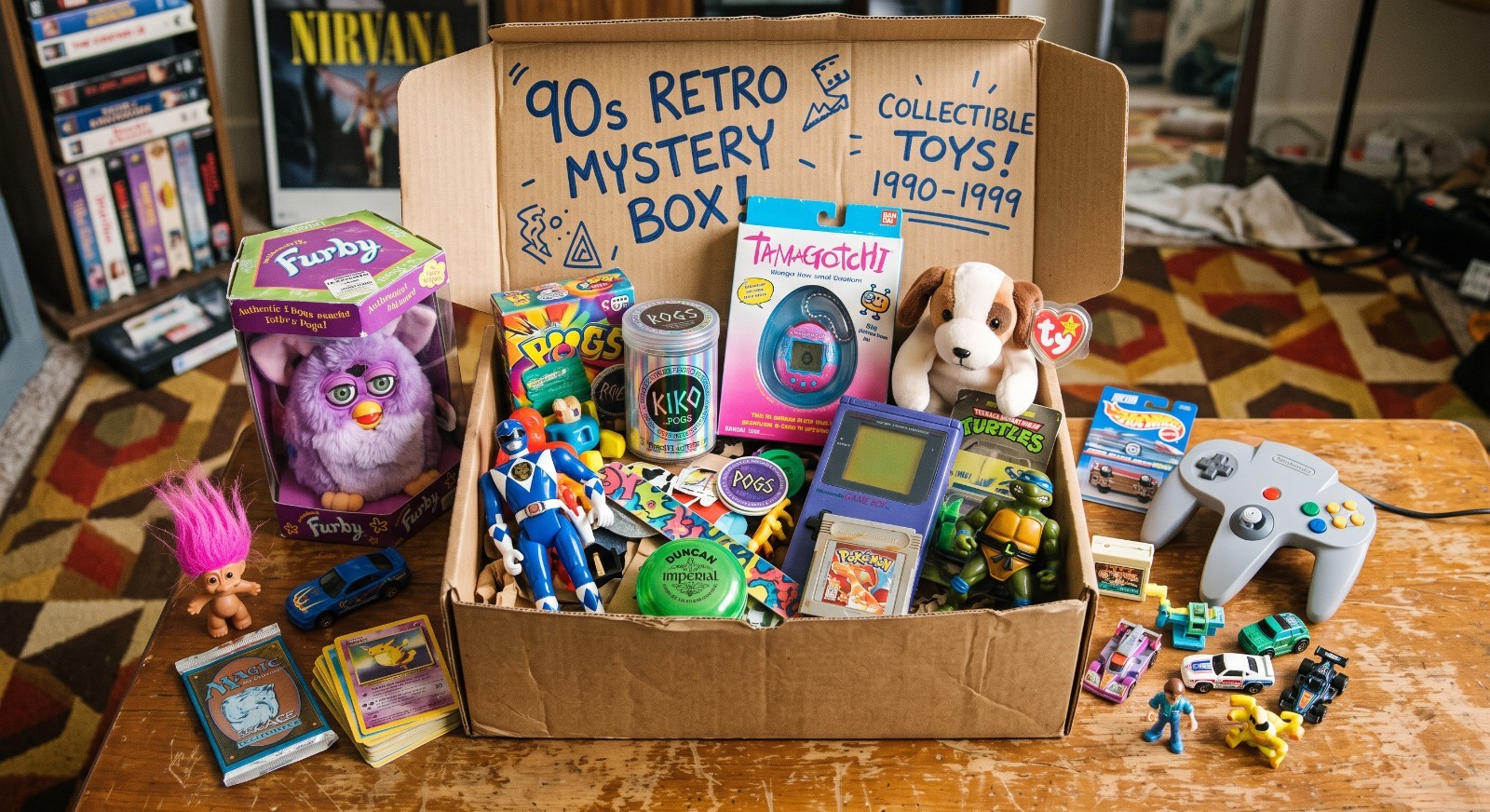

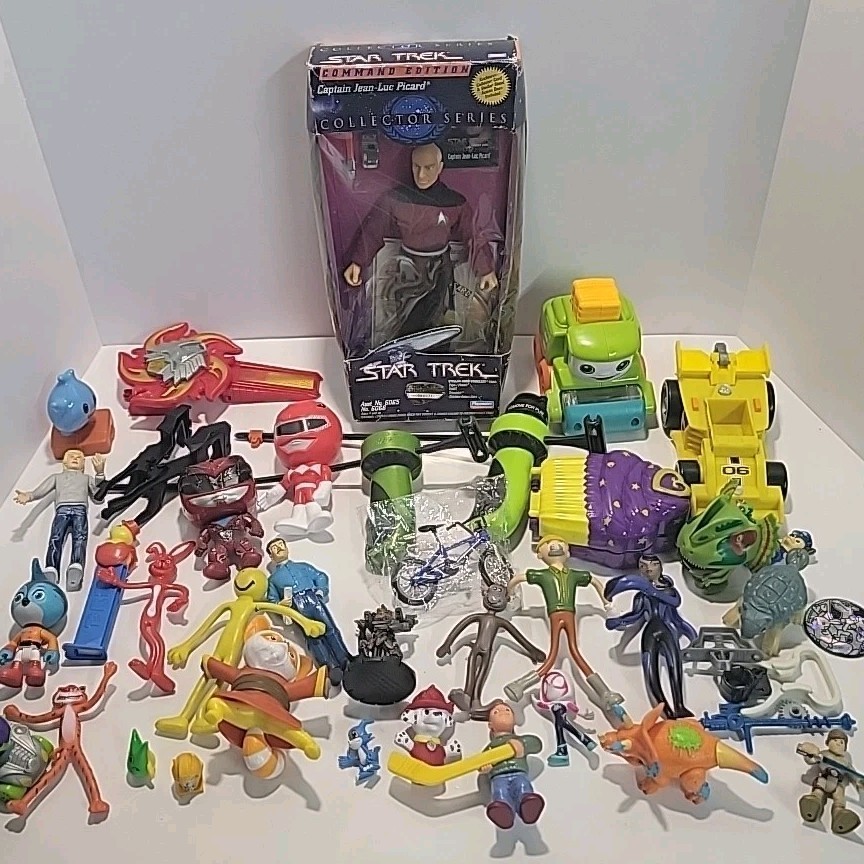


eBay links are affiliate links: JunkPal may earn a commission at no cost to you.
Resale values related to factory variant
Shop factory variant on eBay ↗![Murloc [Green, GITD] #33 (Games)](https://storage.googleapis.com/images.pricecharting.com/b4gnqe4yood3rou5/240.jpg)
![Wicked Witch [Metallic] #8 (Movies)](https://storage.googleapis.com/images.pricecharting.com/ydpyohrijqtht6km/240.jpg)
![Gol D. Roger [Gold] #1274 (Animation)](https://storage.googleapis.com/images.pricecharting.com/eua34gmq5r7espwl/240.jpg)
![Genya Shinazugawa [Demon Form] #1851 (Animation)](https://storage.googleapis.com/images.pricecharting.com/2e2asqm3eaxpf54a/240.jpg)
![BMO [Green GITD] #52 (Television)](https://storage.googleapis.com/images.pricecharting.com/es3ciwtrl4sg5nfs/240.jpg)


![Gizmo [Flocked] #4 (Movies)](https://storage.googleapis.com/images.pricecharting.com/ppliumnvbzjs6pxm/240.jpg)
JunkPal may earn a commission when you buy through eBay links, at no extra cost to you.
What’s worth the most
Ranked on medians of real closed eBay sales, not asking prices.