What does “factory sealed toy” mean?
What it means
A factory sealed toy is merchandise that remains entirely within its original, unopened manufacturer packaging. The integrity of the seal is the defining characteristic. This means the plastic wrap, tape, or shrink-wrap securing the box or blister card has not been broken, cut, or tampered with by any party. This condition is the highest grade available for packaged goods. For the mainstream consumer, this is "new in box" (NIB). For the collector or reseller, "factory sealed" implies a guaranteed, undisturbed state, which is critical for investment value and completionism.
What it does to price
Factory sealed items command a substantial premium over loose, played-with, or even opened-but-undamaged versions. The multiplier varies drastically by rarity, but for common-to-mid-tier items, sealed copies typically fetch 1.5x to 3x the price of a loose equivalent. High-demand, rare, or sought-after sealed items can exceed 5x the loose price. Factors that decrease the premium include visible shelf wear on the outer packaging, minor seal creases that suggest handling, or if the seal is merely "partially intact" rather than completely factory-applied. For example, a sealed vintage action figure might sell for $150, while the same figure loose might sell for $50.
How to spot it
The tell is the packaging itself. Look for original manufacturer seals—these can be tape, plastic film, or specialized adhesive stickers. Examine the edges of the box where the seal meets the cardboard; any lifting, tearing, or residue suggests prior opening. Sellers must provide high-resolution photos of the seal from multiple angles, ensuring the entire perimeter is visible. Common mistakes include sellers mistaking "re-sealed" items (where a broken seal was repaired) for truly factory sealed. Fakes usually involve poorly applied or generic-looking plastic wraps that lack the specific texture or adhesive quality of the original manufacturer.
Buying smart
Paying the premium for a factory sealed item is justified when the item is a known, high-demand collectible, a rare variant, or part of a critical, complete set. If the toy is common or low-value, the premium often outweighs the potential resale gain. A fair deal requires the asking price to be supported by comparable, verified sales data for that specific item in sealed condition. If the seller cannot provide clear photographic evidence of the seal’s integrity, the premium should be significantly reduced or eliminated.
Selling smart
Proving the seal's integrity is the primary driver of premium pricing. The single most valuable asset in a listing is a clear, high-resolution photograph of the unbroken seal itself. Use good lighting to show the texture and unbroken nature of the packaging material. Use the term "Factory Sealed" or "Mint Sealed" in the title, not just "New." This precise language signals to knowledgeable buyers that the condition is verified, justifying the higher asking price and attracting the dedicated collector base willing to pay for absolute preservation.
On eBay right now
Current asking prices from live listings — not sold-comp medians.

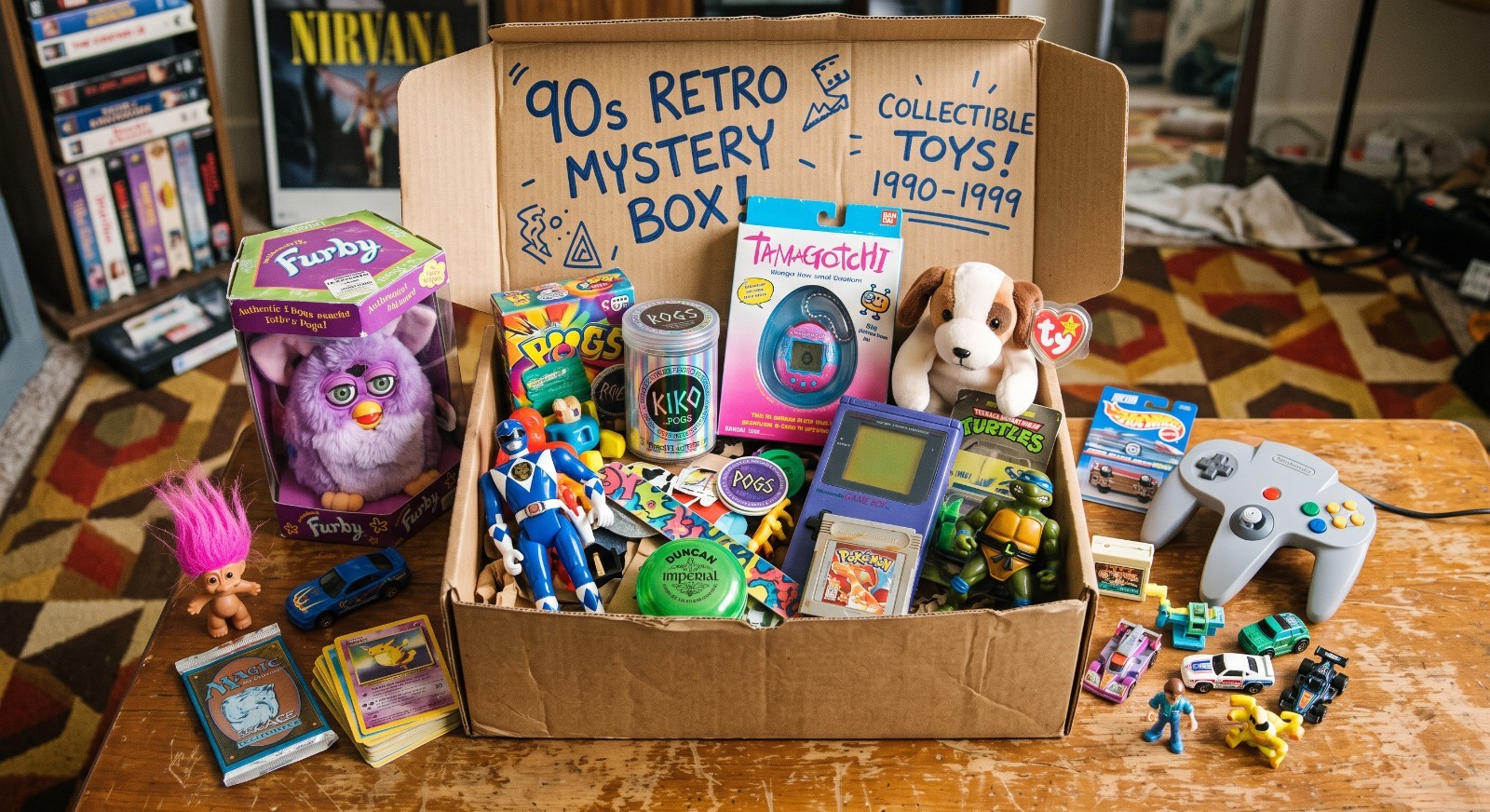

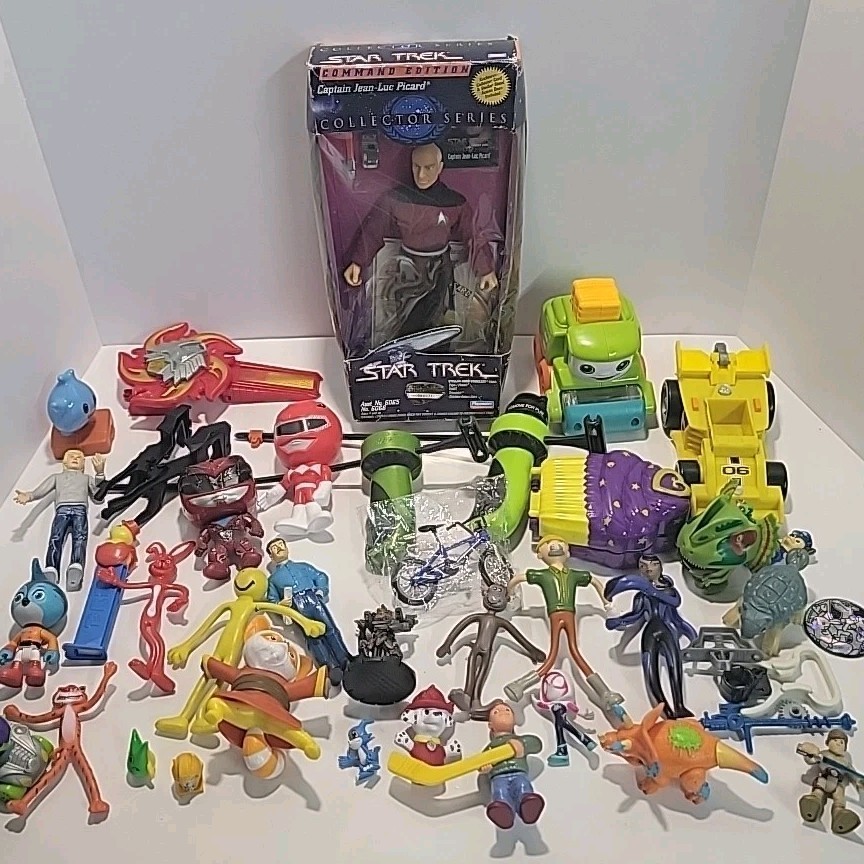


eBay links are affiliate links: JunkPal may earn a commission at no cost to you.
Resale values related to factory sealed toy
Shop factory sealed toy on eBay ↗![Winnie The Pooh [Flocked] #32 (Disney)](https://storage.googleapis.com/images.pricecharting.com/oq4bri67qxzaisio/240.jpg)

![Sally [GITD] #16 (Disney)](https://storage.googleapis.com/images.pricecharting.com/4y4qqh6q5vlqpcwu/240.jpg)

![Freddy Funko Stan Lee [Red] #41 (Freddy Funko)](https://storage.googleapis.com/images.pricecharting.com/h565inyasamdb4pe/240.jpg)
![Freddy Funko [Red Tie] (Freddy Funko)](https://storage.googleapis.com/images.pricecharting.com/pd35tocjlgtfk76d/240.jpg)
![Huckleberry Hound [Summer Convention Dark Blue] #1947 (Animation)](https://storage.googleapis.com/images.pricecharting.com/f4efxia7rjyzz4gl/240.jpg)
JunkPal may earn a commission when you buy through eBay links, at no extra cost to you.
What’s worth the most
Ranked on medians of real closed eBay sales, not asking prices.