What does “factory sealed” mean?
What it means
Factory sealed denotes a toy or collectible that has never been accessed or disturbed since leaving the factory. The original manufacturer packaging—including shrink wrap, blister cards, or outer boxes—must be entirely intact and show no evidence of opening, damage, or tampering. This condition is the highest possible state for a packaged item. The mainstream equivalent is "Mint in Box" (MIB) or "New in Sealed Packaging" (NISP), but "factory sealed" specifically emphasizes the untouched nature of the original factory seals. Any breach of the original packaging voids the "factory sealed" designation.
What it does to price
The sealed status provides a significant, quantifiable price premium over loose or opened versions. For high-demand, limited-run items, a factory sealed copy can fetch 2x to 5x the price of a comparable loose copy. For common items, the multiplier is smaller, perhaps 1.2x to 1.5x. Factors pushing the price up include pristine, unblemished packaging and scarcity. Factors pushing it down include minor box corner dings or faded ink on the outer packaging. For example, a sealed vintage action figure might sell for $150, while the same figure loose might only sell for $50.
How to spot it
Verification requires inspecting the seals themselves. Look for factory-applied plastic wraps that are taut, unbroken, and show no signs of adhesive residue or stress marks. Check the box seams for factory glue lines; any signs of resealing or tape indicate tampering. Sellers must provide high-resolution, well-lit photos of every seam and seal. Common issues include "shelf wear," which is minor cosmetic damage to the box that does not compromise the seal integrity, versus actual seal breaches. Fakes often involve poorly replicated plastic wraps that feel brittle or are glued on unevenly.
Buying smart
Paying a premium for factory sealed is justified when the item is a high-value, investment-grade piece, or when completing a specific, high-end collection where packaging integrity is a requirement. If the item is common, the premium is rarely worth the extra cost unless the packaging is truly flawless. A fair deal requires the asking price to be within 10-20% of comparable sealed sales data for that specific item. If the premium exceeds 30% without clear justification (e.g., extreme rarity), the risk outweighs the reward.
Selling smart
Proving the sealed status is the primary driver of a premium sale. Listings must explicitly state "Factory Sealed" or "Mint Sealed." The single most valuable piece of documentation is a clear, high-resolution photograph of the primary factory seal, showing the entire perimeter of the packaging without obstruction. Using the term "unopened" in the title, alongside the photographic proof, signals immediate authenticity and justifies the top-tier pricing bracket.
On eBay right now
Current asking prices from live listings — not sold-comp medians.

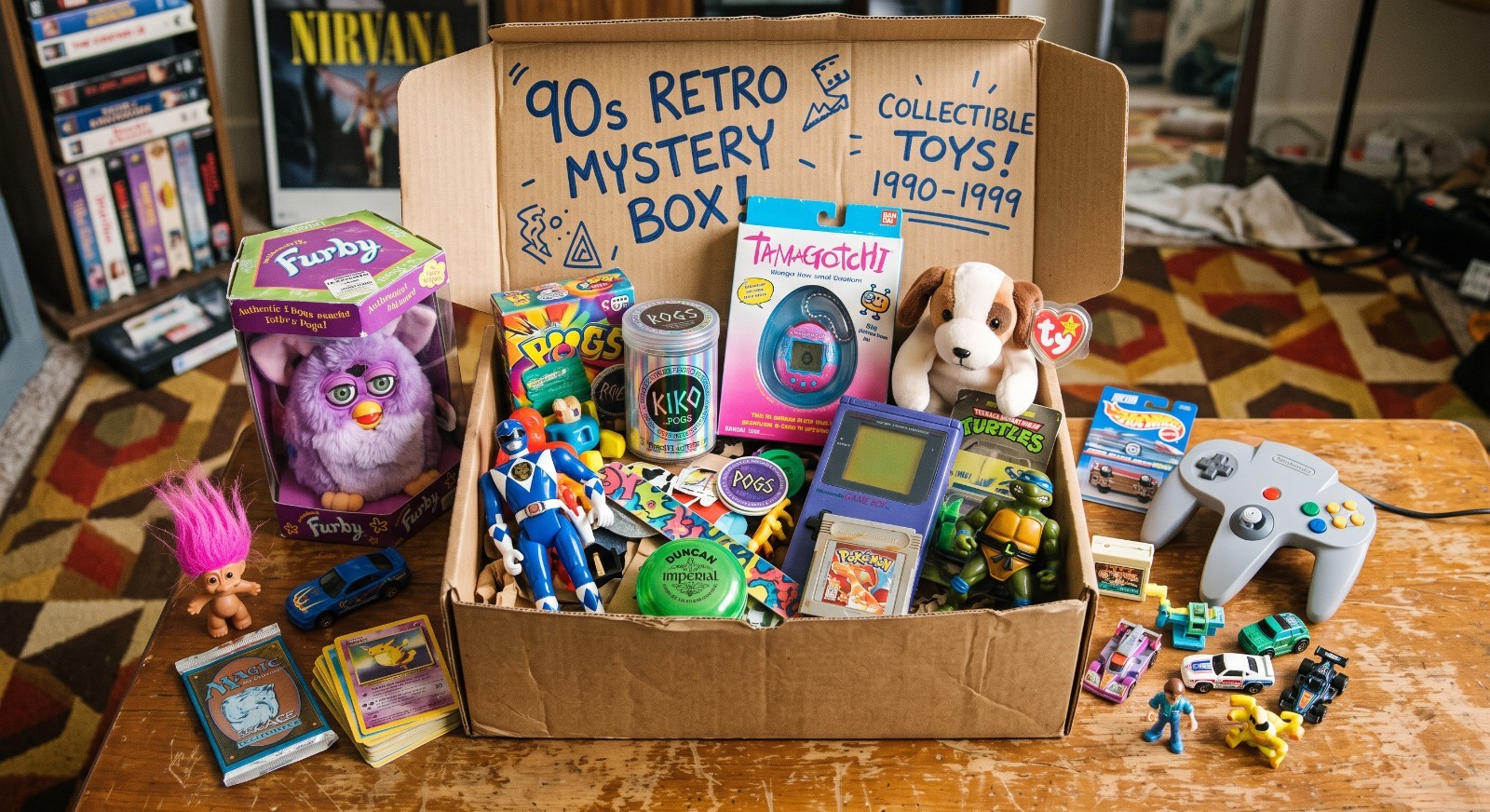

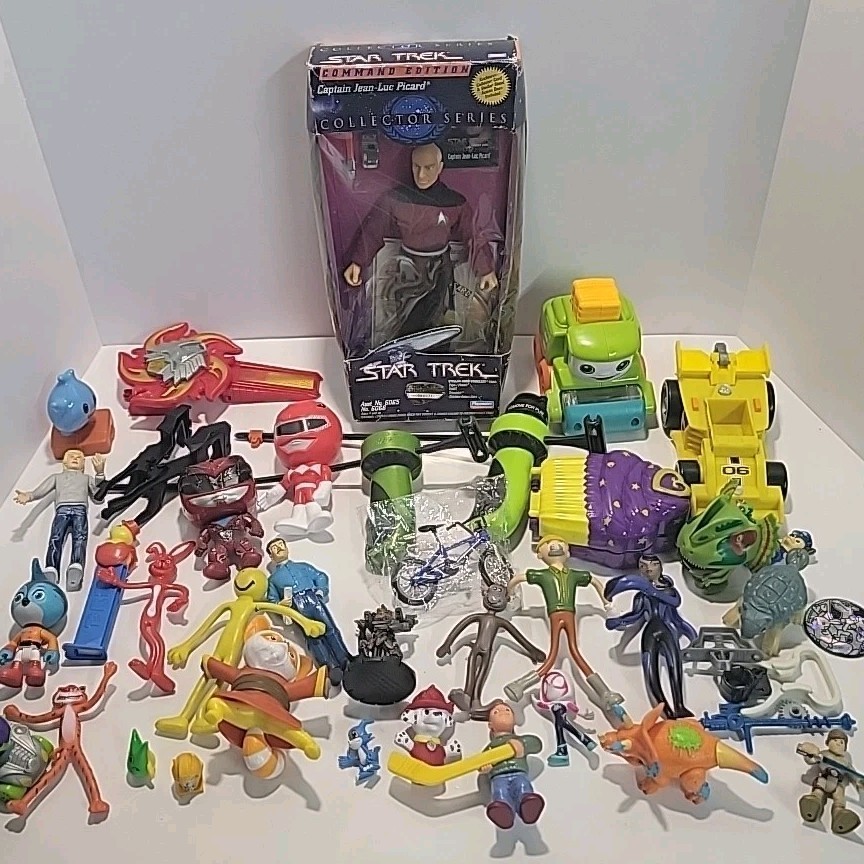


eBay links are affiliate links: JunkPal may earn a commission at no cost to you.
Resale values related to factory sealed
Shop factory sealed on eBay ↗
![Freddy Funko Charlie Brown [Red] #57 (Freddy Funko)](https://storage.googleapis.com/images.pricecharting.com/lx7pdjlaorrphny7/240.jpg)

![Franny Funko As Azula [GITD] #SE (Freddy Funko)](https://storage.googleapis.com/images.pricecharting.com/sbtbm36tc3awdk6b/240.jpg)
JunkPal may earn a commission when you buy through eBay links, at no extra cost to you.
What’s worth the most
Ranked on medians of real closed eBay sales, not asking prices.