What does “factory sample” mean?
What it means
A factory sample is an early production unit or prototype made by the manufacturer before the final retail release of a toy. These items are not intended for mass consumer sale. They represent a developmental stage. In the collecting niche, this term encompasses everything from initial tooling tests to pre-production runs. The mainstream equivalent is a "pre-production sample." These pieces often exhibit variations from the final product, such as unfinalized paint schemes, test-run plastic colors, or packaging mockups that were later revised.
What it does to price
The designation "factory sample" commands a significant price premium over standard retail stock. Depending on the item's rarity and condition, the multiplier can range from 2x to 10x the value of a standard version. Minor variations, like a different sticker placement, might only add 10-20%. Significant differences, such as an unpainted test shot or a unique, unreleased accessory mold, can push value into the high-end collector bracket. For example, a standard, loose action figure might sell for \$50; a verifiable, high-quality factory sample of the same figure could easily fetch \$300 to \$500.
How to spot it
Identifying a true factory sample requires close inspection. Look for specific manufacturing identifiers: often, these pieces lack standard retail UPC codes, feature internal mold numbers that differ from final production runs, or carry internal, non-consumer-facing markings (e.g., "Sample," "Test Run," or internal SKU codes). Sellers must provide high-resolution photos of the underside and any visible mold seams. Common mistakes include mislabeling an early retail variant as a true sample. Fakes often replicate the *look* of a sample but lack the internal production documentation or unique tooling marks.
Buying smart
Paying a premium for a factory sample is justified when the item represents a significant, documented inflection point in the toy's history—such as the first appearance of a key feature or a highly sought-after color variation. The premium is not worth it for minor, easily correctable aesthetic differences (e.g., a slightly off-color paint application that was corrected in the next batch). A fair deal involves the asking price being clearly supported by verifiable provenance documentation, not just the seller's claim.
Selling smart
The primary method for commanding a premium is establishing clear, undeniable provenance. A listing must explicitly state "Factory Sample" and provide photographic evidence supporting that claim. The single most valuable element in a listing is a photo of any internal manufacturer stamp, code, or documentation accompanying the item. Using the word "Verified" in the title, coupled with evidence, shifts the item from a collectible variant to a historical artifact, which significantly increases the buyer's willingness to pay.
On eBay right now
Current asking prices from live listings — not sold-comp medians.

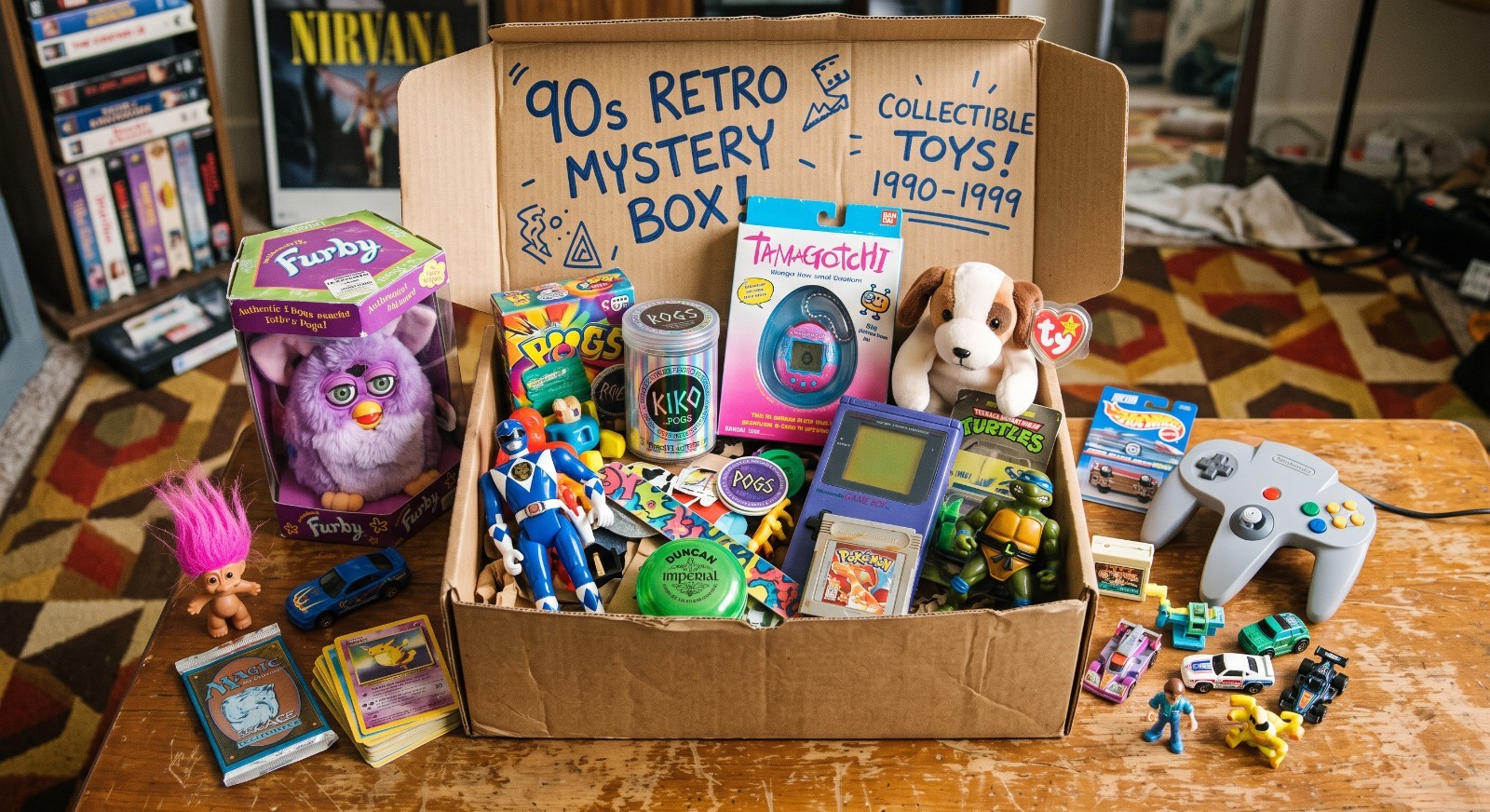

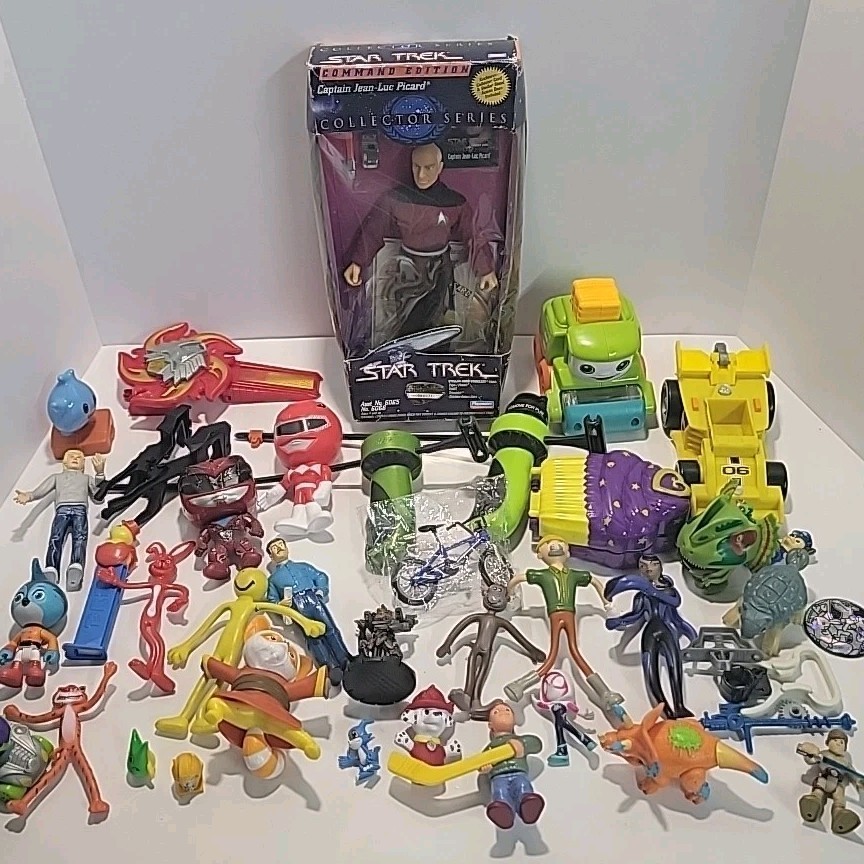


eBay links are affiliate links: JunkPal may earn a commission at no cost to you.
Resale values related to factory sample
Shop factory sample on eBay ↗![Johnny Lawrence [Black] #970 (Television)](https://storage.googleapis.com/images.pricecharting.com/tpa5o6ta5s2aljk4/240.jpg)
![Freddy Funko As Leonardo [Metallic] #SE (Freddy Funko)](https://storage.googleapis.com/images.pricecharting.com/mwfaulhyvasdnbhe/240.jpg)
![Scooby-Doo [Flocked Blue] #149 (Animation)](https://storage.googleapis.com/images.pricecharting.com/fjrbxkjf37txmtkr/240.jpg)
![Animal [SDCC] #5 (Muppets)](https://storage.googleapis.com/images.pricecharting.com/lebnjgv4muvwm4dg/240.jpg)
![Freddy Flux [Fisson Winking] #SE (Freddy Funko)](https://storage.googleapis.com/images.pricecharting.com/qz6ltpvibhnsflv4/240.jpg)

![Illidan [Black] #14 (Games)](https://storage.googleapis.com/images.pricecharting.com/xzccqkkl2gynrpxx/240.jpg)
![Freddy Funko As Two-Face [Blacklight] #SE (Freddy Funko)](https://storage.googleapis.com/images.pricecharting.com/rc3ezv5clcz4rnhl/240.jpg)
JunkPal may earn a commission when you buy through eBay links, at no extra cost to you.
What’s worth the most
Ranked on medians of real closed eBay sales, not asking prices.